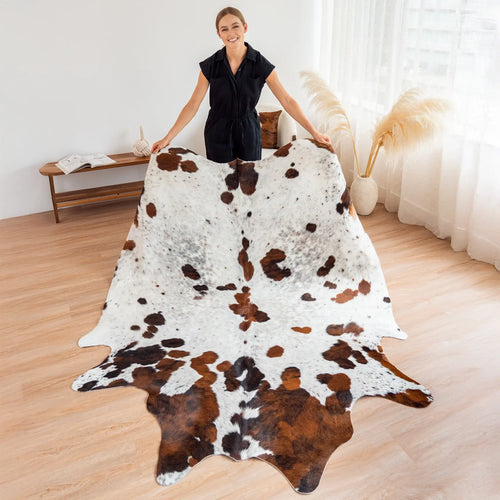
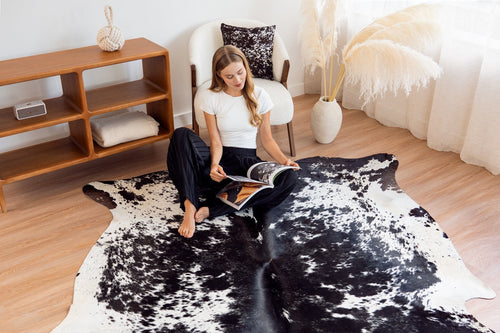
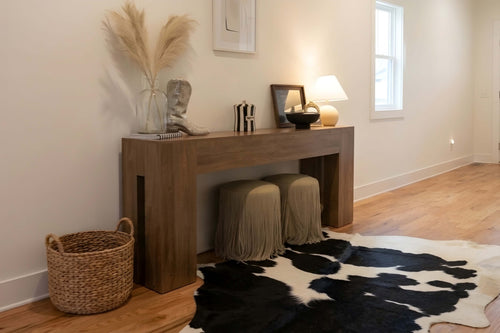
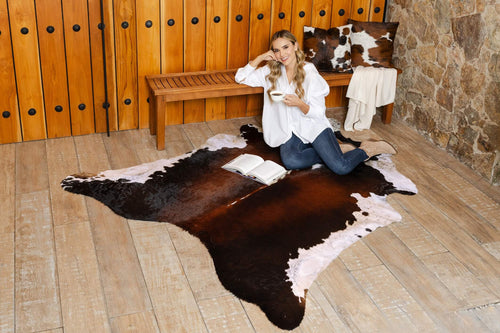
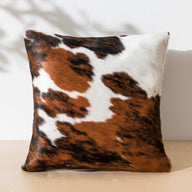
It's the question that comes up in every cowhide conversation eventually — usually right after someone sees the price for the first time. Are they worth it? It's a fair question, and it deserves a fair answer — not a sales pitch, not a list of features, but an actual honest accounting of what cowhide delivers, what it costs, what it doesn't do, and who it's genuinely right for.
That's what this is. A Cowhide Rug is a significant purchase. It deserves a clear-eyed answer.
What "Worth It" Actually Means When You're Buying a Floor Covering

Worth it compared to what? That's always the first question, and it's one most buyers don't ask explicitly. They compare a cowhide rug's price to their last rug purchase — a $200 polypropylene from a home goods store, maybe, or a $400 wool rug that seemed like a splurge at the time. Against those comparisons, cowhide looks expensive. That framing is the problem.
The right comparison for a genuine cowhide rug isn't any single alternative — it's the full replacement cycle of whatever you'd buy instead. A $200 synthetic rug that lasts three years and gets replaced twice is a $600 investment that produces two disposal events and three rounds of shopping. A $350 genuine cowhide that lasts 25 years is a $350 investment that you never think about again.
"Worth it" in a floor covering context has four components. Price per year of ownership. Maintenance cost over that ownership period. Performance in your specific household conditions. And whether the piece delivers on what you actually wanted when you bought it. On all four, the cowhide case is strong — but it's only unambiguously strong when you buy genuine material, size it correctly, and understand what it does and doesn't do before you commit.
The Real or Faux Guide is the starting point for making sure you're buying genuine material — because the worth-it calculation only holds for real cowhide. The faux version fails on every metric that makes the genuine version worth its price.
"Every client who has asked me whether a cowhide rug is worth it has eventually come back to say yes — but only the ones who bought genuine material and sized it correctly the first time. The ones who bought faux to save money have replaced it once or twice and spent more in total. The ones who undersized it regret the scale decision, not the material. The pattern is very consistent." — Rachel Simmons, Interior Designer, Simmons & Co., Austin TX
The 20-Year Math: What a Cowhide Rug Costs Per Year Compared to Every Alternative

This is the number that changes the conversation. Most buyers think about rug purchases in terms of sticker price. The honest framework is cost per year — what you actually pay, annualized over the realistic life of the piece, including maintenance and replacement costs.
Here's what that math looks like across the main alternatives to genuine cowhide:
|
Rug Type |
Purchase Price |
Realistic Lifespan |
Annual Cleaning Cost |
Cost Per Year |
|
Synthetic / Polypropylene |
$150–$300 |
2–4 years |
$0–$40 |
$50–$130/year |
|
Wool |
$400–$900 |
5–8 years |
$80–$150/year |
$130–$260/year |
|
Jute / Sisal |
$150–$400 |
3–5 years |
$0–$40 |
$40–$120/year |
|
Shag / High Pile |
$200–$600 |
2–3 years |
$60–$120/year |
$160–$380/year |
|
From $159.99 |
20–30 years |
$0 |
$6–$18/year |
The cowhide number — $6–$18 per year — is not a rounding error. It reflects two facts that no fiber rug alternative can claim: genuine cowhide lasts 20–30 years with basic care, and it requires zero professional cleaning. The non-porous hair-on-hide surface doesn't absorb, doesn't accumulate allergens at depth, and doesn't require periodic deep cleaning appointments. The full maintenance protocol is a weekly shake-out and the occasional damp cloth. That's it.
Wool rugs at $130–$260 per year aren't failing the worth-it test because they're bad rugs. They're failing it because the professional cleaning requirement — twice annually, at $80–$150 per appointment — makes the annualized cost structurally higher than a material that requires no professional cleaning at all. The Rug Materials to Avoid guide documents the hidden maintenance and replacement costs that most rug buyers discover after the fact.
The lifespan claim deserves scrutiny because it's doing a lot of work in the math. The Cowhide Durability Guide documents what 20+ year ownership actually looks like in practice. Genuine cowhide doesn't degrade the way fiber rugs do — it doesn't flatten, pill, shed, or develop the matted appearance that ends most rugs' useful lives. It develops character: the leather backing becomes more supple, the hair surface settles and deepens. The piece becomes more itself rather than less itself over time.
What You Give Up With a Cowhide Rug — and Whether It Actually Matters

Worth-it analysis requires honesty about the downsides. Here are the genuine trade-offs of owning a cowhide rug — not the commonly cited ones that turn out not to matter much, but the real ones.
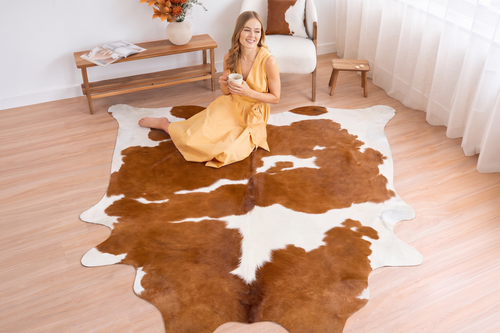
The shape isn't rectangular. This is a genuine constraint. A natural cowhide has an irregular organic silhouette — no two are the same shape, and none of them are square or rectangular. In rooms where the design logic requires a specific geometric footprint (a long rectangular dining room, a symmetrically furnished living room where all edges need to align), the natural hide shape can create visual awkwardness. The solution is a Patchwork Cowhide Rug — which is constructed in consistent geometric dimensions — or layering the hide over a rectangular base rug that provides the geometric frame. For most rooms, the organic shape is an asset rather than a liability. But it's a real consideration.
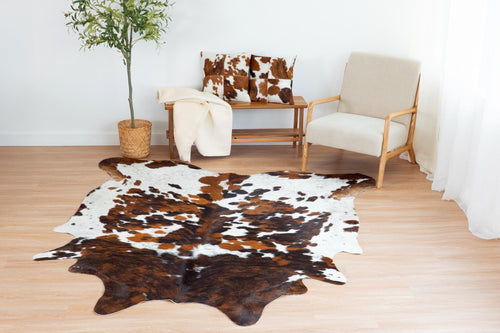
Light colors show dirt more visibly. White, champagne, and lighter-toned hides show tracked-in debris between cleanings more visibly than darker patterns. In a household with high foot traffic, outdoor dogs, or children, a light-toned hide requires more frequent attention in the lighter areas. The solution: choose a pattern with tonal complexity — Tricolor Cowhide Rugs and Brindle Cowhide Rugs are the most forgiving for high-traffic households. White Cowhide Rugs belong in lower-traffic rooms.
You can't put it in a washing machine. True — and for buyers who are accustomed to machine-washable rugs, this is a real behavioral change. The care protocol is simple (shake, blot, spot clean) but it's not the same as throwing a rug in the laundry. For households that genuinely prefer machine-washable floor coverings above all else, cowhide may not be the right fit regardless of other factors.
What doesn't make the list: shedding (genuine cowhide doesn't shed like fiber rugs), allergen concerns (the non-porous surface is hypoallergenic — see the Allergy-Free Cowhide documentation), and pet damage (pets can mark a cowhide, but the non-porous surface cleans up in ways fiber rugs don't). These are commonly cited cowhide concerns that largely don't hold up under scrutiny.
"The shape issue is the one real trade-off I discuss with every client. In most rooms it's actually a design asset — the organic silhouette adds movement that a rectangular rug can't. But in a symmetrically arranged formal room or a very long narrow hallway, it requires a solution. The solution exists — patchwork, or a base layer — but it's a consideration, not a dealbreaker." — Sofia Carvalho, Interior Designer, Carvalho Design Studio, Miami FL
The Owners Who Regret It vs. The Ones Who Never Look Back: What Makes the Difference

After years in the cowhide market, the pattern of who regrets and who doesn't is consistent enough to be worth laying out explicitly. It's not about price tolerance, aesthetic preference, or lifestyle — it's about four specific decisions made at the point of purchase.
Regret Group 1: Bought faux to test the concept. The most common regret in the cowhide category isn't buying cowhide — it's buying a $70 printed polyester "cowhide" to see if you like the look before committing to the real thing. The faux version looks acceptable for a few months, then starts looking like exactly what it is. The buyer replaces it with genuine cowhide and thinks about the six months they spent on the faux version. The test is worth skipping. A Cowhide Floor Mat from $49.99 is the right way to test genuine cowhide material at minimal cost — not a faux rug at a similar price that tells you nothing about what you're actually considering.
Regret Group 2: Undersized it. The second most consistent regret. A cowhide that's too small for its room makes the room look less considered, not more — the rug floats in the middle of the seating area without anchoring anything. Buyers who went one size smaller than they should have because of price hesitation consistently wish they'd sized up. The rule: front legs of all major seating pieces on the hide. If the hide doesn't reach that, it's too small. Emily Henderson's Rug Size Guide is the reference that closes this gap before you buy.
Regret Group 3: Wrong pattern for the room's color temperature. Buyers who chose a pattern they loved in isolation without understanding how it would interact with their room's specific palette. A tricolor hide in a cool grey room. A white cowhide under a dark dining table. The aesthetic disconnect creates a low-grade dissatisfaction that's hard to name but persistent. The Rug Color Guide at Chris Loves Julia solves this before it becomes a regret.
The No-Regret Group: Bought genuine material. Sized correctly. Matched the pattern to the room's color temperature. Understood the care requirements before buying. This group is not defined by budget — there are no-regret buyers at every price point in the eCowhides collection, from Cowhide Floor Mats at $49.99 to large-format Patchwork Cowhide Rugs at $3,660. The no-regret pattern is about the quality of the decision, not the size of the spend. And twenty years later, the piece still looks right — and often better than it did on day one.
How to Know If a Cowhide Rug Is Right for Your Specific Home, Style & Life

The honest answer isn't "yes for everyone" — it's "yes for the right situation." Here's the framework for knowing whether your situation is the right one.
You're in the right situation for cowhide if:
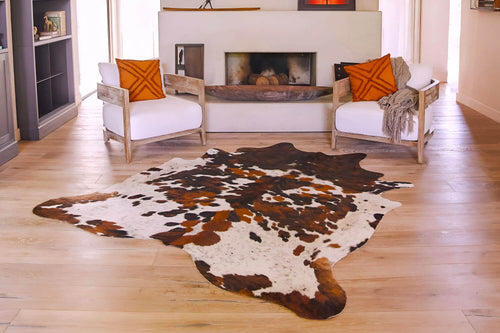
- Your room has warm tones in the walls, furniture, or floor — or you want to introduce warmth. Cowhide's natural palette is warm, and it works hardest in warm room contexts.
- You have pets, children, or allergy-sensitive household members. The non-porous surface is the best allergen and spill-resistance performance available in a floor covering at any price point.
- You want to buy once and stop thinking about it. The maintenance profile and lifespan of genuine cowhide are what make the cost-per-year argument decisive — it's the floor covering you purchase and then own, not manage.
- You're drawn to natural materials and organic, collected design aesthetics. Cowhide belongs in the same family as warm wood, rattan, linen, and ceramic — if those materials feel right to you, the hide will too.
- You want something genuinely one of a kind. No two genuine cowhide pieces are identical. That's not a marketing claim — it's the material reality of natural animal coloring.
You may want to reconsider if:
- Your room is running very cool and minimal — grey walls, chrome furniture, cold-toned palette. Cowhide's warmth will fight the room's temperature rather than completing it. A Grey Cowhide Rug bridges the gap — but standard warm-toned natural hide in a very cool room is a harder sell.
- You specifically need machine-washable. The care protocol is genuinely simple, but it's not machine-washable. If that's a non-negotiable requirement, cowhide isn't the answer for that zone.
- You need a very specific geometric footprint and can't use patchwork or layering. Natural hides have organic shapes — if the room requires a precise rectangle and layering isn't an option, a patchwork format is the solution.
- You're in a very temporary living situation. A cowhide is a 20-year decision. If you're moving in 18 months and uncertain about your next home's design context, the timing may not be right — though a cowhide does travel between rooms and homes far better than most floor coverings.
The Decorate a Room Guide and the Cowhide Placement 101 Guide cover the full room-fit assessment. The Good Housekeeping Rug Buying Guide is a useful general pre-purchase checklist for any floor covering decision.
"The clients who ask whether cowhide is worth it are almost always the ones for whom it is — they're asking because they're drawn to it and looking for permission to commit. The ones for whom it's genuinely wrong usually already know it before they ask." — Diana Torres, Interior Designer, Torres Studio, Nashville TN
FAQ: Worth It Edition

Are Cowhide Rugs Worth the Money?
Yes — for most households that buy genuine material and size correctly. At $6–$18 per year over a 20–30 year lifespan with zero professional cleaning costs, genuine cowhide is the lowest cost-per-year floor covering available. The upfront price is higher than most alternatives; the total cost of ownership is lower than almost all of them. The calculation only works for genuine cowhide — faux alternatives fail on every metric that makes the math work.
How Long Do Cowhide Rugs Really Last?
20–30 years with basic care — weekly shake-out, prompt blotting of spills, occasional spot cleaning. Genuine cowhide doesn't degrade the way fiber rugs do. The leather backing becomes more supple over time; the hair surface develops character rather than breaking down. The Cowhide Durability Guide documents what multi-decade ownership looks like in practice.
What Are the Downsides of a Cowhide Rug?
The real ones: irregular organic shape (not rectangular), lighter tones show debris more visibly in high-traffic zones, not as soft underfoot as deep pile alternatives, not machine-washable. These are genuine trade-offs — not dealbreakers for most buyers, but real considerations that should be part of the decision. The commonly cited concerns (shedding, allergens, pet damage) largely don't hold up — the non-porous surface performs better in those categories than most alternatives.
Do Cowhide Rugs Need Professional Cleaning?
No — this is one of the key advantages over wool and most fiber alternatives. The non-porous surface doesn't absorb at depth, so there's nothing for a professional cleaning to address that a shake-out and spot cleaning can't handle. The eCowhides Cleaning and Care Guide covers the full protocol — it's simpler than almost any other floor covering maintenance routine.
Are Cowhide Rugs Good for High-Traffic Areas?
Yes — and they're specifically better than fiber rugs in high-traffic zones. The non-porous surface doesn't compress under foot traffic, doesn't develop matted pile, and doesn't absorb tracked-in moisture or debris. For entryways, hallways, and busy living rooms, Tricolor Cowhide Rugs and Brindle Cowhide Rugs are the specific recommendation — the tonal complexity disguises everyday wear between cleanings.
Are Cowhide Rugs Good for Homes With Pets?
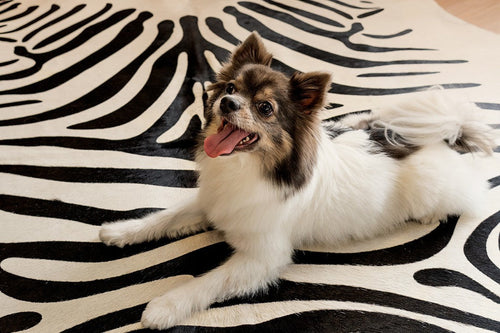
Yes — better than most alternatives. The non-porous surface resists pet accidents, doesn't trap pet dander or allergens at depth, and pet hair sits on the surface where it brushes off easily rather than embedding in fiber pile. The Pet-Friendly Homes Guide covers every scenario in detail.
What Is the Cheapest Way to Try a Genuine Cowhide?
A Cowhide Floor Mat from $49.99 — genuine hair-on-hide at the most accessible price point in the collection. It tells you everything a larger hide will tell you about the material: how it feels underfoot, how it cleans, how it looks in your home's light. Far more informative than buying a faux version at a similar price, which tells you nothing about genuine cowhide.
How Do I Know What Size Cowhide Rug to Buy?
The rule: front legs of all major seating pieces should sit on the hide. If the hide only fits under the coffee table, it's too small. When between two sizes, go larger — undersizing is the most consistent cowhide regret, and slightly oversized is almost always better than slightly undersized. Emily Henderson's Rug Size Guide has room-by-room sizing charts worth consulting before you browse.
Are Cowhide Rugs Ethical?
Yes — every genuine cowhide is a Byproduct of the Meat Industry. The animal is raised for food, not for its hide — using the hide repurposes material that would otherwise be discarded. The Ethical Sourcing post covers the full picture, including the LWG certification that governs eCowhides' production partners.
The Honest Answer

Are cowhide rugs worth it? For most households that buy genuine material, size correctly, and understand what they're getting: yes, unambiguously. The cost-per-year is lower than almost every alternative. The maintenance is simpler. The lifespan is longer. And twenty years from now, the piece looks better rather than worse.
The cases where it isn't worth it are real but specific: very cool rooms where the warmth fights the palette, genuinely machine-wash-dependent households, situations where the organic shape creates a layout problem without a workable solution. For everyone else, the math works and the material delivers.
Browse the full collection — from Cowhide Floor Mats at $49.99 to large-format Patchwork Cowhide Rugs — at eCowhides.com. Every piece one of a kind. Every price the right price for what you're getting.