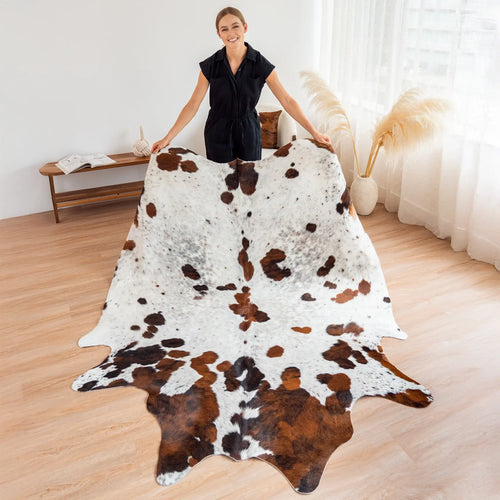
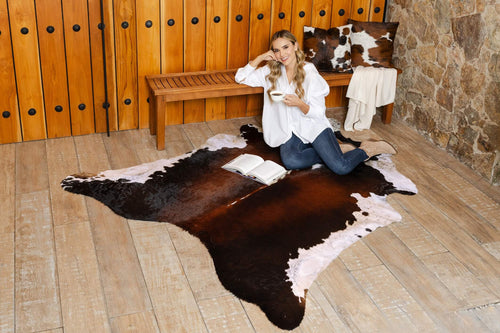
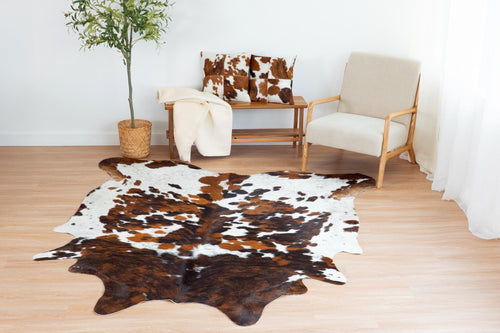
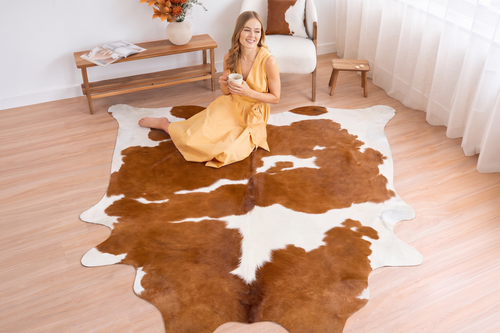
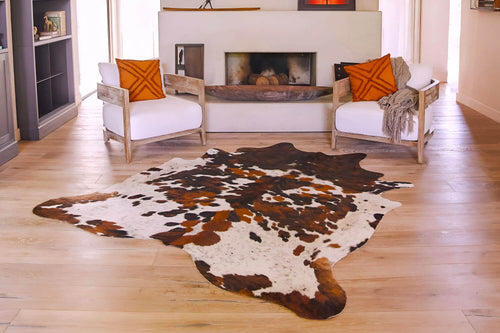
Let me ask you something. When you walk into a room and there's a rug on the floor — and you mean a real rug — don't you just know? There's something about it. The weight of it, the way the light plays off the hide, the subtle variation in every grain. It stops you mid-step. That's not an accident. That's craftsmanship.
Handcrafted Cowhide Rugs have been doing exactly that for centuries. But somewhere along the way, the market got flooded with mass-produced imitations — thin, synthetic faux alternatives that look almost right from a distance, and feel all wrong up close. So today, I want to talk about what actually separates an Artisan Leather Decor Piece from the factory-floor version, and why — if you're serious about your home — the difference is everything.
From Ranch to Room: The Full Journey of an Artisan-Quality Cowhide Rug

The story of a truly Premium Cowhide Quality Rug starts long before it ever hits a showroom floor. It begins at the source — Ethically Sourced Hides from cattle ranches, primarily in Brazil, where Traditional Tanning Methods have been passed down through generations of skilled craftspeople.
Brazilian Handcrafted Cowhide is some of the finest in the world, and that's not a marketing line. Brazil's cattle industry produces hides as a natural by-product of the beef industry, meaning nothing is wasted and nothing extra is raised just for the skin. That alone makes these Sustainable Home Rugs a smarter, more Ethical Leather Sourcing choice than almost anything synthetic.
Once the hide is selected — and not every hide makes the cut — it goes through a Hand-Tanned Leather Rugs process that can take days or even weeks. Artisans inspect, clean, stretch, and treat the hide by hand, monitoring its texture and moisture at every step. The result is a rug that knows what it is: full, supple, and alive with character.
"The integrity of leather is determined in the tannery. A hide that is rushed through chemical baths loses the very qualities that make it valuable — its suppleness, its memory, its soul." — Dr. Carmen Ruiz, Textile Conservation Specialist
Compare that to Machine-Made Cowhide, where hides are processed in bulk through automated chemical baths — efficiency prioritized, quality secondary. You get a uniform product. Predictable. Forgettable.
Hand-Finished vs. Machine-Made: What You Can Actually See and Feel in Cowhide

Here's where it gets tactile. Pick up a machine-made rug and run your hand across it. Smooth, yes. A little plasticky, maybe. Now put your hand on a truly hand-finished cowhide. The difference hits you immediately.
Thickness matters. Artisan Cowhides are fuller and more even, giving them the natural weight to lay flat without curling — a frustrating reality with thinner, factory-processed versions. The thickness and weight of an Artisan Cowhide Rug isn't just about feel; it's functional. A heavier, denser hide grips the floor and stays put.
Edges tell the whole story. Hand-Finished Leather Edges on an artisan rug are smooth, sealed, and clean — finished with care so the natural shape of the hide is celebrated, not hidden. Machine-made? Often glued, rough, or trimmed to a generic shape.
And then there's the scent. This might surprise you, but yes — Authentic Hair-On-Hide Rugs that have been hand-tanned carry a subtle, earthy, natural leather aroma. Nothing chemical, nothing sharp. It's the smell of something real. Mass-produced hides processed with synthetic agents often carry a faint chemical smell, especially in enclosed spaces.
|
Feature |
Artisan Handcrafted |
Machine-Made |
|
Tanning Process |
Traditional Hand-Tanned |
Mass chemical bath |
|
Edge Finishing |
Hand-Finished, sealed naturally |
Glued or machine-cut |
|
Scent Profile |
Natural, earthy leather |
Chemical / synthetic |
|
Pattern Uniqueness |
One-of-a-kind every time |
Uniform, repeated |
|
Lifespan |
15–25+ years |
1–2 years |
|
Chemical Exposure |
Minimal, Natural Tanning |
Heavy synthetic agents |
|
Patina Over Time |
Develops richly |
Cracks or fades |
The Craftspeople Behind the Hide: Who Makes Our Most Sought-After Cowhide Pieces

I think about this a lot, actually. Behind every One-of-a-Kind Cowhide in our collection is a real person — a tanner, a finisher, someone who's spent years learning the feel of a good hide. That's not something you can automate.
At eCowhides, our pieces come from Small-Batch Rug Production artisans — mainly in Brazil — who use Heritage Leather Home Decor techniques refined over decades. These aren't factory workers punching a clock. They're craftspeople who take pride in every single hide they touch.
They know, for instance, that the natural variations in a cowhide — the way the hair swirls near the neck, the subtle tonal shifts across the back — are not imperfections. They're signatures. And they treat them accordingly.
"Handcrafting leather is about patience. You cannot rush a hide any more than you can rush a fine wine. The process teaches you what the material needs." — Marco Ferreira, Master Leather Artisan, São Paulo.
Quality Markers Checklist: How to Identify a Truly Artisan Cowhide Before You Buy
 So how do you actually know if what you're looking at is the real deal? Here's what I look for — and what you should too:
- Unique pattern — no two hides match. If two rugs look identical, something's off.
- Dense, full hair — Authentic Hair-On-Hide Rugs have thick, even hair that doesn't pull out easily.
- Natural shape — a real cowhide follows the shape of the animal. Overly perfect rectangles? Probably synthetic.
- Smooth, finished edges — Hand-Finished Leather Edges should feel smooth and well-sealed, not rough or glued.
- Weight — pick it up. A quality artisan hide is substantial. Lightweight equals low-grade.
- Scent — Natural Cowhide Variations carry a faint leather smell. Chemical sharpness is a red flag.
- Backing — look at the underside. A genuine hide will show the natural suede-like backing, not synthetic fabric.
- Color depth — Premium Cowhide Quality shows rich, layered color rather than flat, one-dimensional tone.
And honestly? When in doubt, ask. A reputable seller — like us at eCowhides — will always be transparent about sourcing and process. That transparency is part of what you're paying for.
Why Artisan Cowhide Holds Its Look Longer Than Any Synthetic Alternative
 Let's talk investment. Yes, a Premium Handcrafted Cowhide Rug costs more upfront. But let's do the math for a second.
A budget machine-made rug might run you $100–$200. Sounds like a deal. But it's going to look worn in a few months, and it'll need replacing within 2 years. Meanwhile, a quality artisan cowhide — properly cared for — can last 15 to 25 years or more. That's not an exaggeration. That's the nature of hand-tanned, naturally cured leather.
|
Type |
Avg. Lifespan |
Patina / Aging |
|
Premium Artisan Cowhide |
15–25+ years |
Develops beautifully over time |
|
Budget Machine-Made Cowhide |
1–2 years |
Fades and cracks |
|
Synthetic / Faux Hide |
1–2 years |
Peels, pills, deteriorates |
Here's something else worth knowing: artisan-tanned hides develop a richer patina over time, the same way great leather boots or a quality belt does. Mass-produced cowhides processed with heavy synthetic agents? They dry out. They crack. They lose the plot.
And if you have little ones at home — or pets — Non-Toxic Cowhide Rugs matter. Artisan tanning uses fewer harsh chemicals, making them meaningfully safer for households where small hands and paws are everywhere. That's peace of mind that's actually priceless.
"Natural tanning processes preserve the inherent qualities of the hide while dramatically reducing the chemical load on both the product and the environment." — Angela Thornton, Sustainable Materials Researcher, The Leather Council
FAQ: Artisan Edition

Why Is Handcrafted Cowhide Considered A More Sustainable 'By-Product' Compared To Synthetic Faux Alternatives?
Handcrafted Cowhide Rugs are made from hides that are a natural by-product of the beef industry — nothing extra is raised for the skin. Synthetic faux alternatives, on the other hand, are made from petroleum-based plastics that take hundreds of years to decompose and require significant energy to produce. Real cowhide is the greener choice.
Can You Explain Why No Two Handcrafted Cowhide Rugs Ever Feature The Exact Same Pattern Or Texture?
Every cow is unique — different markings, different hair patterns, different body proportions. Natural Cowhide Variations are a direct result of genetics, environment, and individual animal history. No two hides will ever be identical, which is exactly what makes each artisan piece a genuine One-of-a-Kind Cowhide.
What Specific Signs Of Craftsmanship Should I Look For To Verify A Rug Is Truly Artisan-Made?
Look for hand-finished edges, natural shape (not perfectly rectangular), dense and firmly set hair, a suede-like backing, subtle natural scent, and visible tonal depth in the color. Ask the seller about sourcing and tanning method — a real artisan supplier will always have answers.
Do Handcrafted Rugs Have A Different Scent Profile Compared To Machine-Processed Leather?
Yes, and it's a noticeable difference. Authentic Hair-On-Hide Rugs that are hand-tanned carry a gentle, earthy natural leather scent — warm and organic. Machine-processed hides often have a chemical undertone from the synthetic tanning agents used. The natural scent fades softly over time; the chemical smell tends to linger longer.
How Does The Thickness And Weight Of An Artisan Cowhide Rug Impact Its Ability To Lay Flat Without Curling?
Significantly. A denser, heavier hide lays flat under its own natural weight and grips the floor more effectively. Thinner machine-made hides are more prone to curling at the edges, especially in rooms with temperature or humidity fluctuations. The Cowhide Rug Investment Value of a heavier artisan piece shows up every single day.
Why Does An Artisan-Tanned Hide Develop A Richer Patina Over Time While Mass-Produced Ones May Crack?
Natural tanning preserves the hide's own oils and fiber structure, which allows it to age gracefully — developing a deeper, richer tone with use, much like fine leather boots. Synthetic tanning agents displace or destroy those natural oils, leaving the hide dry and brittle over time, which leads to cracking and deterioration.
What Is The Typical Lifespan Of A Premium Handcrafted Cowhide Rug Versus A Budget Machine-Made Version?
A Premium Handcrafted Cowhide Rug, well cared for, typically lasts 15 to 25 years or more. A budget machine-made version usually shows significant wear within months and may need replacement before the year is out. When you look at the Long-Lasting Leather Rugs value over time, artisan wins every round.
The Rug That Tells a Story: Why Your Floor Deserves Better

Here's the thing about great design: it's never just about how something looks. It's about how it's made, where it comes from, and how it ages. A Handcrafted Cowhide Rug isn't just a floor covering — it's a piece of Heritage Leather Home Decor that carries the work of skilled hands, the character of a real animal, and the kind of quiet confidence that only comes from quality done right.
Machine-made alternatives can approximate the look. But they can't replicate the feel, the longevity, or the story. And once you've lived with the real thing, going back feels a lot like trading a great pair of leather boots for flip-flops. You just wouldn't do it.
At eCowhides, every piece in our collection is selected for its craftsmanship, its character, and its quality. Whether you're styling a living room, a home office, or a cozy corner of your bedroom, we have the One-of-a-Kind Cowhide that was made — genuinely made — for your space.
Ready to bring the real thing home? Browse our full collection at www.eCowhides.com and find the artisan cowhide rug that speaks to you. Because your floor deserves a story worth telling.