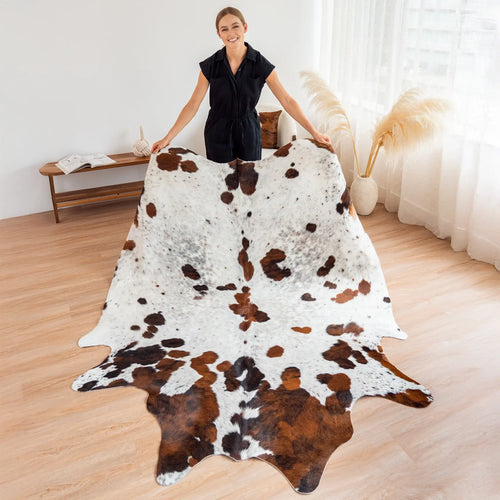
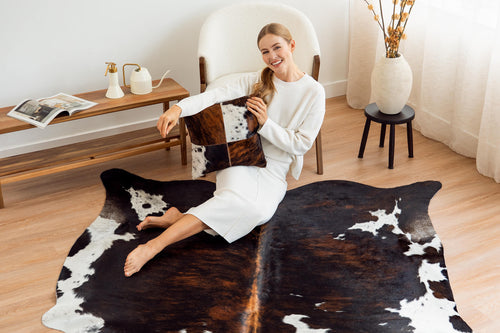
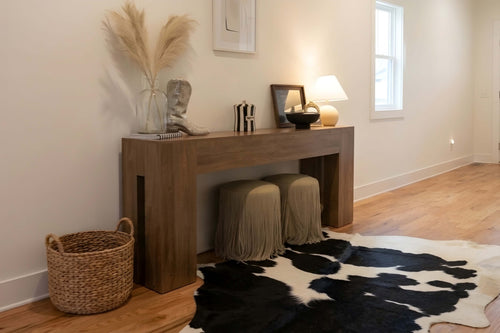
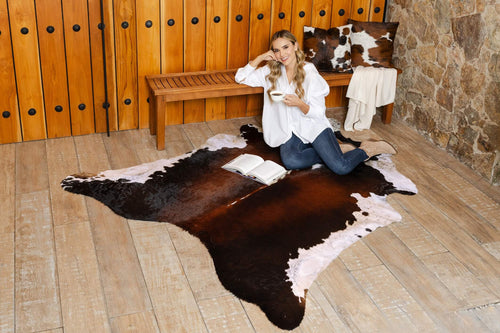
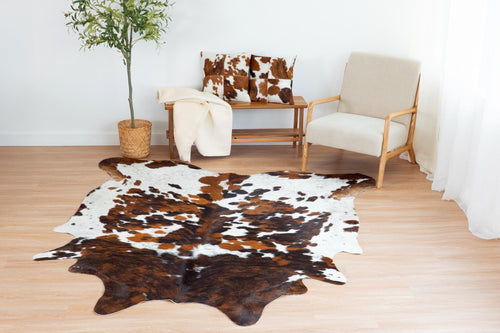
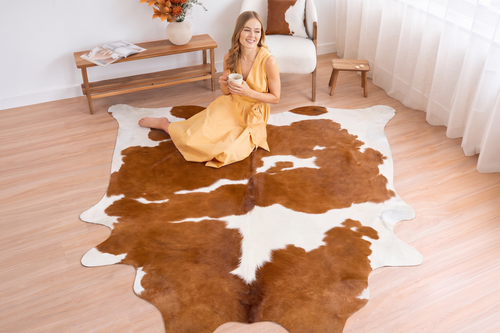
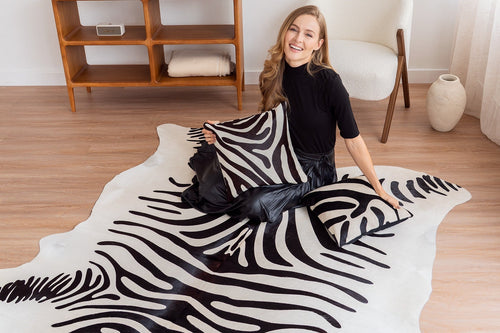
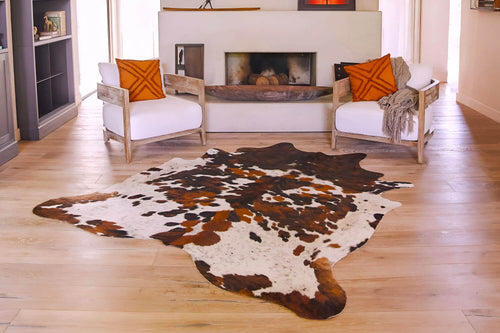
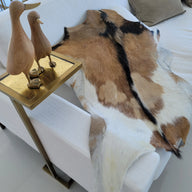
You know that feeling when you walk into a gallery and something just stops you in your tracks? That's exactly what a well-placed Cowhide Rug should do in your home. I'm not talking about your grandma's ranch-style throwback—I'm talking about genuine, head-turning, conversation-starting art that happens to live on your floor.
Here's the thing: we've been conditioned to think art belongs in frames, mounted on walls, tucked safely behind glass. But why? The most innovative designers today are breaking those rules, and honestly, it's about time. A Hair-on Hide Rug isn't just something to wipe your feet on—it's a living canvas, a piece of Artistic Area Rugs that brings texture, pattern, and soul into a space in ways a painting simply can't.
Whether you're furnishing your first apartment or redesigning a space you've lived in for decades, treating your Cowhide Rugs as Art changes everything. It shifts how you think about placement, how you arrange furniture, even how you light a room. And the best part? Unlike that expensive abstract painting you've been eyeing, this art piece is functional, durable, and somehow gets better with age.
Let's talk about how to bring that gallery energy straight to your floor.
Framing the Focal Point: Cowhide Placement as a Statement Piece

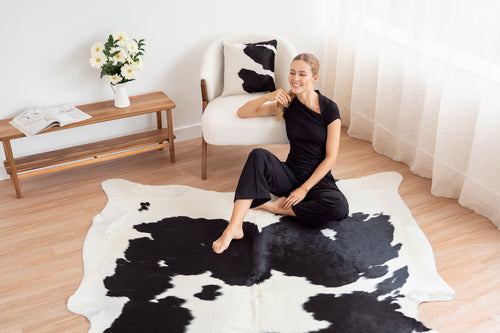
Walk into any serious art gallery and you'll notice something: the best pieces get space to breathe. They're not crowded, not competing with a dozen other elements screaming for attention. Your Cowhide Focal Point deserves the same respect.
Strategic Placement Tips:
- The Float: Let at least 60% of the hide remain visible, not hidden under couches or chairs. Think of it as a Cowhide As Statement Piece that needs to be seen.
- The Anchor: In open-concept spaces, use the Cowhide Rug to define zones without building walls. It's brilliant for separating a reading nook from a dining area.
- The Surprise: Don't default to the living room. I've seen stunning Hair-on Hide Art Piece Placement in entryways, under dining tables, even in primary bedrooms as a soft landing spot.
The magic happens when you resist the urge to center everything perfectly. A slightly off-center placement feels intentional, artistic, like a curator positioned it that way after careful consideration. Because you did.
And please, for the love of good design, don't push all your furniture against the walls. Pull pieces in, create conversation areas, and let that Cowhide Interior Design work its magic by connecting elements rather than hiding beneath them.
Creating Contrast: Using Natural Texture to Highlight Furniture

You want to know the secret weapon of interior designers who command five figures per project? Texture. Specifically, the kind of tactile, visual contrast that makes people unconsciously reach out and touch things.
A Cowhide Rug is your shortcut to that layered, collected-over-time look that takes most people years to achieve. The natural texture—that slight variation in hair height, the subtle sheen that catches light differently throughout the day—creates a dynamic relationship with everything around it.
Here's what I mean: Place a sleek, modern sofa with clean lines on a Unique Texture Area Rug, and suddenly that contemporary piece has depth. It's not just floating in space; it's grounded, contextualized. The smoothness of leather furniture against the organic texture of a Cowhide Rug? That's the kind of visual tension that makes a room feel expensive.
Texture Pairing Guide:
|
Furniture Style |
Why Cowhide Works |
Design Impact |
|
Mid-Century Modern |
Clean lines need organic elements |
Softens minimalism without clutter |
|
Industrial |
Raw edges complement metal and wood |
Adds warmth to cool materials |
|
Scandinavian |
Natural materials are core to the aesthetic |
Enhances hygge without sacrificing simplicity |
|
Contemporary |
Neutral palette needs visual interest |
Provides pattern without color commitment |
|
Transitional |
Bridges traditional and modern |
Serves as the perfect mediator |
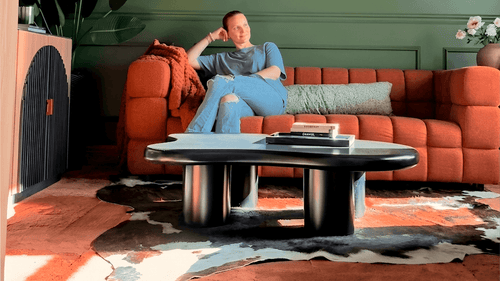
I've watched countless clients place Luxury Cowhide Decor under glass coffee tables, and the effect is stunning. You get to see the entire pattern while the table's transparency doesn't compete—just enhances. Same goes for acrylic or lucite furniture, which practically disappears, leaving the hide as the undeniable hero.
The contrast doesn't have to be subtle, either. Dark furniture on a Light Cowhide Rug creates drama. Light furniture on a Rich, Dark Hide feels grounded and sophisticated. Both work because you're playing with that fundamental design principle: opposition creates interest.
Design Gallery: Spotlighting Unique Patchwork Patterns as Abstract Art

Now we're getting into the really fun stuff. If a Natural Cowhide Rug is like a beautiful watercolor, then Patchwork Cowhide Artistic Design is like a bold, geometric Rothko painting on your floor.
I'll be honest—when I first saw Patchwork Cowhide Rugs, I wasn't convinced. It felt almost too intentional, too designed. But then I really looked at them, and it clicked. These pieces are where craftsmanship meets artistry. Someone thoughtfully selected and arranged panels of hide to create patterns that echo everything from Mondrian's color blocks to contemporary quilt art.
What makes patchwork designs so gallery-worthy? The intentionality. Authentic Cowhide Rugs are stunning in their randomness, but Patchwork Designs are curated. They're about choice, composition, and visual rhythm. Each panel is selected for its color, pattern, and how it relates to the pieces around it.
Why Patchwork Reads as High Art:
- Repetition and variation: Like musical themes, similar patterns repeat but never exactly, creating visual melody
- Color theory in action: Designers arrange panels considering complementary colors and tonal gradients
- Geometric precision: Clean lines and right angles appeal to our innate love of order
- Scale play: Mixing large and small panels creates depth and movement
Think about How to Display a Cowhide Rug that's Patchwork. These pieces demand even more breathing room than natural hides because their patterns are more complex. You want people to step back and take in the full composition, not just notice a corner peeking out from under the sofa.
Here's something cool: Patchwork Cowhide Rugs work brilliantly in Styling Cowhide in Minimalist Homes because they bring visual interest without adding actual clutter. It's pattern and texture in a single, functional piece. No need for throw pillows, wall art, or decorative objects when your floor is already making a statement.
Why Natural Markings are Proof of an Authentic Masterpiece

We've been so trained by mass production to expect perfection—perfect symmetry, perfect color consistency, perfect edges—that we've forgotten nature doesn't work that way. And honestly? Nature does it better.
Those irregular edges on a Natural Shape Rug Art piece? That's the actual outline of an animal that grazed real pastures. Those variations in color—slightly lighter here, richer brown there? That's genuine, not printed. The occasional brand mark or natural scarring? That's history, authenticity, proof that what you're buying isn't synthetic.
The art world figured this out centuries ago. The Japanese concept of wabi-sabi celebrates imperfection and impermanence. Contemporary artists deliberately introduce "flaws" to make work feel more human, more real. Your Cowhide Rug came pre-loaded with that authenticity.
What Makes "Imperfections" Valuable:
- Uniqueness: Your hide is literally one-of-a-kind; no one else has that exact pattern
- Storytelling: Each mark tells a story about the animal's life
- Anti-trend: In a world of mass production, authentic irregularity is luxury
- Visual interest: Perfect symmetry is boring; our eyes prefer natural variation
When friends visit and ask about your Cowhide As Abstract Art, tell them about the natural variations. Point out how the pattern flows differently on each side, how the edge curves organically. Make them understand they're looking at something that couldn't be replicated in a factory no matter how advanced the technology.
Elevating the Everyday: Cowhide as Functional Art in the Living Room

Here's where Cowhide Rugs really show off: they're art you can actually use. Try walking on your favorite painting. Doesn't work, right?
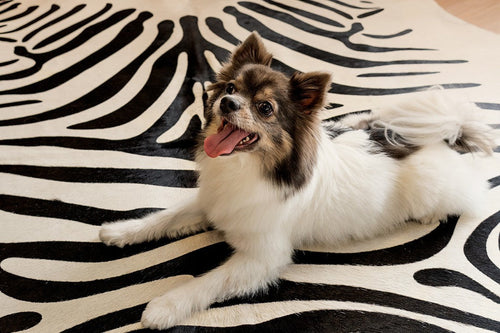
The living room is where we spend real time—movie nights, morning coffee, kids playing, dogs lounging. Most art just watches this life happen from the walls. But Cowhide As Functional Art participates in it. That's powerful.
I'm always amazed by How Cowhide Rugs Handle Daily Life while somehow looking better over time. That natural patina that develops, the way the leather softens slightly with use—it's the opposite of most things we buy, which look best the day we bring them home and decline from there.
Functional Benefits That Don't Compromise Style:
- Sound absorption: Cowhide Rugs dampen echo in hardwood or tile spaces, creating cozier acoustics
- Durability: Properly cared for, these last decades, not seasons
- Hypoallergenic: Natural resistance to dust mites and allergens, unlike synthetic alternatives
- Easy Maintenance: Shake it out, spot clean when needed—no professional cleaning required
- Versatility: Rearrange furniture without worrying if the rug still "works"
Think about Cowhide Rug Lighting Ideas for your living room setup. Position a floor lamp nearby to create dramatic shadows that emphasize the texture, especially in the evening. Natural light throughout the day will highlight different aspects of the pattern as it moves across the room. It's like having art that changes with the time of day.
Styling Tips for Living Room Placement:
|
Layout Type |
Cowhide Rug Placement |
Design Goal |
|
Conversation Area |
Centered in seating group |
Anchor furniture, create intimacy |
|
Open Floor Plan |
Between zones |
Define spaces without walls |
|
Media Wall |
In front of entertainment center |
Draw focus without competing |
|
Reading Nook |
Under accent chair |
Create destination within larger room |
The key is treating it like the art piece it is while embracing its functionality. You wouldn't hesitate to sit on a beautiful chair, right? Same principle. Use it, enjoy it, and trust that it's designed to be both beautiful and practical.
I've seen families with Young Kids and Pets Choose Cowhide Rugs specifically because they handle real life. One client told me, "I got tired of being afraid of my own furniture." Her eCowhides Rug gave her permission to actually live in her beautifully designed space. That's what Functional Art should do.
FAQ: Art Edition

How Can a Cowhide Rug Be Considered a Piece of Art?
Each Cowhide Rug displays one-of-a-kind patterns created by nature, not a machine. The organic variations in color, texture, and shape make every hide genuinely unique—just like abstract art celebrates spontaneous, unrepeatable gestures. Plus, the traditional craftsmanship of tanning and finishing adds another layer of artistry passed down through generations.
What Are the Best Ways to Display a Cowhide Rug to Highlight Its Unique Pattern?
Keep at least 60% visible, not hidden under furniture. Position it in areas with good natural light to showcase the pattern's depth and natural sheen. Place it where people can walk around it—Cowhide Rugs look dramatically different from various angles, making them perfect conversation pieces.
Should I Use a Cowhide Rug to Be the Focal Point of a Room?
Absolutely. A Cowhide Rug's organic shape and bold pattern naturally draw the eye, making it perfect as a statement piece. Support it with solid-colored furniture and minimal competing patterns. Unlike traditional patterned rugs, Hair-on Hide Rugs are versatile enough to evolve with your style over time.
How Do the Natural Patterns of Cowhide Compare to Abstract Art?
The comparison is striking. Nature creates Cowhide Patterns using the same principles artists use—contrast, repetition, organic flow, and visual movement. Spotted patterns echo pointillism, while brindle hides mirror abstract expressionism. The bonus? These patterns are three-dimensional with tactile texture.
What Interior Design Styles Benefit Most from Using Cowhide as an Art Piece?
Surprisingly, nearly all of them. Modern styles love the organic contrast, Scandinavian designs embrace the natural materials, industrial spaces warm up with the softness, and even traditional rooms benefit from the unexpected texture. Match the hide style to your aesthetic—natural shapes for organic styles, patchwork for modern spaces.
Can I Hang a Cowhide on the Wall as Art, and How Is It Done?
Yes, it's increasingly popular. Use a sturdy mounting board cut to the hide's shape, secure it with fabric glue, and mount using heavy-duty picture hardware. For a rental-friendly option, use a curtain rod with clips. Wall-hung Cowhide Rugs work brilliantly as headboard alternatives, entryway statements, or dining room focal points.
How Does the Unique Texture of a Cowhide Rug Contribute to Its Artistic Value?
Light plays across the varying hair lengths, creating shadows and highlights that shift throughout the day. You experience it both visually and tactilely, making Cowhide Rug more immersive than flat art. The natural sheen catches light like brushstrokes on an oil painting, creating visual weight that grounds a space.
Are Patchwork Cowhide Designs Considered More Artistic Than Natural Shapes?
They're differently artistic, not more or less. Natural Cowhide Rugs showcase nature's spontaneous artistry, while patchwork demonstrates human artistry through intentional composition and color theory. Think of natural hides as found art and patchwork as composed art. Both have unique merit depending on your aesthetic.
How Do I Use Lighting to Properly Showcase a Cowhide Rug's Sheen and Texture?
Use layered lighting. Position a floor lamp at an angle to create dramatic shadows, especially in evenings. Avoid flat overhead lighting that flattens texture. Natural light throughout the day provides constantly changing illumination. For maximum impact, light from multiple angles—a table lamp on one side, window light on another.
Does the Natural, Imperfect Shape of a Cowhide Enhance Its Artistic Appeal?
Absolutely. Those irregular edges prove it's real, natural, and unique. The organic shape creates visual interest precisely because it breaks expectations and softens rooms dominated by right angles. The imperfect shape also creates negative space around it, much like white space in a gallery emphasizes the artwork.
Your Floor Just Became a Gallery: Making the Transformation

So here we are. You've learned that rug you've been considering isn't really a rug at all—it's a Natural Art Piece that happens to be incredibly practical. That's a pretty good combination, if you ask me.
I've seen it happen dozens of times: someone orders a Cowhide Rug somewhat skeptically, lays it down, steps back, and says, "Oh. Oh, I get it now." That's the moment when Styling Cowhide As Art clicks. When you stop seeing it as décor and start seeing it as design.
Whether you go with a Natural Hide that celebrates nature's patterns or a patchwork design that showcases human artistry, you're bringing something meaningful into your home. Something that will look different in morning light than evening lamplight. Something that will soften with use but never go out of style. Something that guests will notice, ask about, and remember.
Ready to transform your space from ordinary to gallery-worthy? Visit our curated collection of Natural and Patchwork Cowhide Rug Designs. Each piece is hand-selected for its artistic merit and quality, because your floor deserves the same consideration you'd give any art purchase.
Trust me, once you make this shift, you'll never look at your floors—or your rugs—the same way again. And that's exactly as it should be.