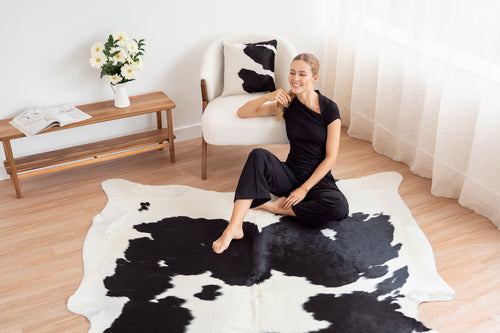
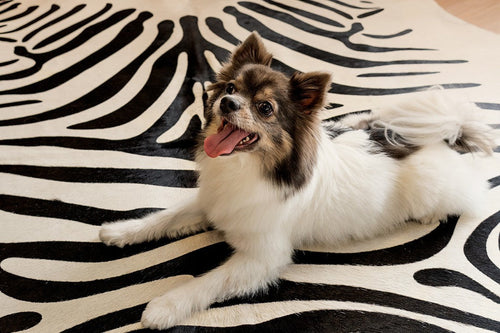
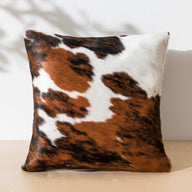
I've been in a lot of rooms with a lot of rugs. And if there's one pattern I keep coming back to — the one that consistently earns its place without demanding attention — it's brindle. There's something about it that resists easy categorization. It's not as graphic as black and white. Not as warm as tricolor. Not as bold as a dyed hide. It just sits there, doing its thing, making every room around it feel more considered.
A Brindle Cowhide Rug is one of those pieces that rewards time. The more you sit with it, the more you notice — the way the streaking pattern shifts tone from one end to the other, the way it catches light differently at different hours, the way it somehow gets along with furniture you'd never expect it to. It's not a showpiece. It's a foundation. And foundations, done right, are what make everything else possible.
Here's how to use it well.
What Makes Brindle Unique: The Natural Pattern That Works With Everything

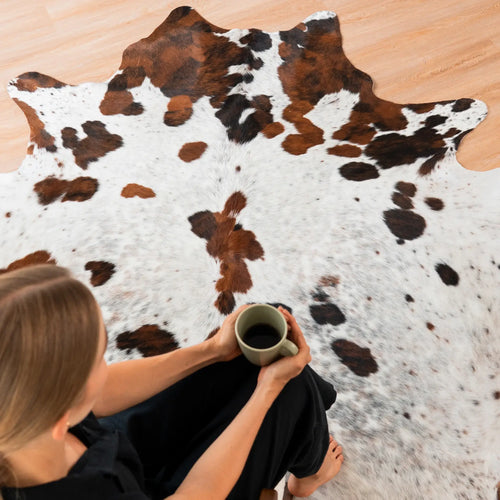
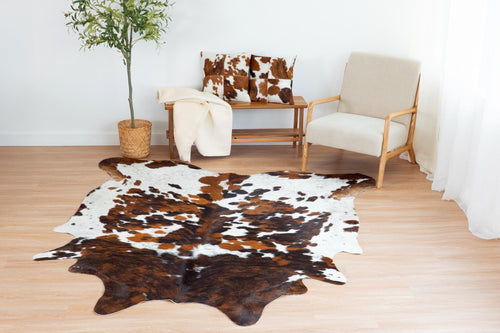
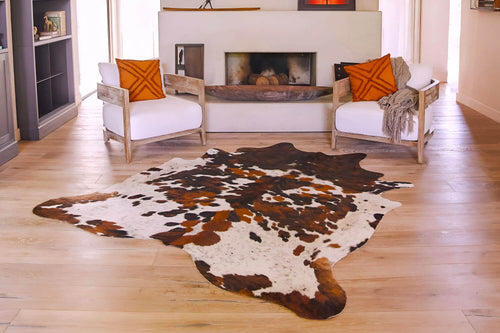
Brindle isn't a color — it's a pattern. And understanding that distinction matters when you're thinking about how to use it in a room. A brindle hide carries a streaked, layered mix of dark brown, warm tan, and deep grey running in natural directional flows across the surface. No two pieces are identical. The variation is part of the point.
What makes it so versatile is exactly that complexity. Unlike a solid or a high-contrast black-and-white, brindle contains multiple tones simultaneously — which means it can pull from, or complement, almost any color palette you put near it. Warm rooms, cool rooms, neutral rooms, rooms with color — brindle finds something to work with in all of them.
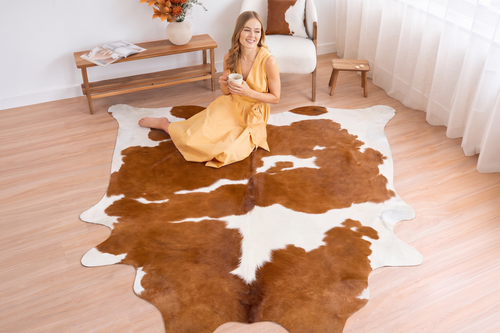
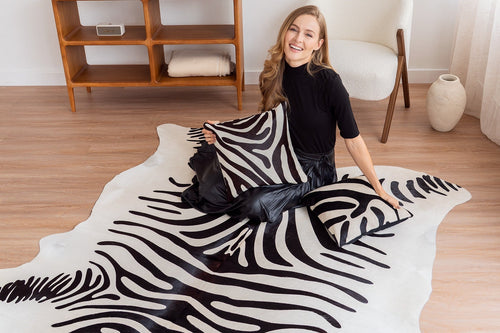
Compare it to the rest of the Cowhide Rug spectrum and the difference becomes clear:
|
Pattern |
Visual Weight |
Room Versatility |
Best Style Match |
|
Medium — textured but not loud |
Highest — warm, cool, and neutral rooms all |
Modern farmhouse, transitional, eclectic, rustic |
|
|
Medium-warm — rich and organic |
High — especially in warm-toned rooms |
Farmhouse, bohemian, transitional |
|
|
High — graphic and bold |
Medium — strongest in minimal/modern rooms |
Minimalist, modern, Scandinavian |
|
|
Low-medium — warm and grounding |
High — works quietly in almost any room |
Traditional, rustic, warm-contemporary |
There's also a Light Brindle Cowhide Rug range worth knowing about — the same streaked pattern in a cooler, greyer tone that brings the brindle character into rooms that lean more contemporary or coastal. If the standard brindle feels too warm for your space, the light version is the answer.
The authenticity angle matters too. Every brindle hide at eCowhides is a Byproduct of the Meat Industry — the pattern you see is exactly how that animal looked. There's no printing, no dyeing, no manufacturing involved in the color. If you've ever wondered how to tell real from faux, this guide on identifying a Genuine Cowhide Rug is worth a read.
"Brindle is what I reach for when a client says they want texture but not pattern. It gives you all the visual depth of a complex hide without the graphic statement — it reads warm and natural at a distance, and endlessly interesting up close." — Camille Okafor, Principal Designer, Okafor Studio Interiors, Houston TX
Brindle on the Floor: Room-by-Room Placement Ideas That Actually Work

Placement is where styling choices get real. And brindle, for all its versatility, still benefits from being in the right context. Here's how it plays in each major room.
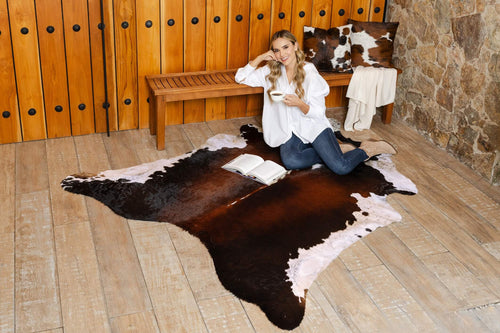
Living Room: The classic placement — and brindle earns it. Under a sectional or anchoring a seating area, a brindle hide adds warmth and texture without competing with the furniture or the wall color. In a room with a linen sofa and warm wood accents, a brindle rug is almost invisible in the best possible way — it just makes everything else feel better. The general rule: front legs of all major furniture pieces sit on the rug, creating a unified zone rather than a floating island. Emily Henderson's Rug Size Guide is the reference I trust most for getting proportions right.
Bedroom: A brindle hide under a platform bed on hardwood floors is one of the quieter luxuries in home design. The streaked warm-grey pattern sits beautifully against light wood or concrete flooring, and the texture underfoot first thing in the morning is something else entirely. For bedrooms with limited floor space, a Cowhide Runner in brindle along one or both bedsides brings the same character in a more compact format.
Home Office: Brindle in a home office grounds the space without the visual noise of a bolder pattern — which matters when you're staring at the floor for hours. Under a standing desk or anchoring a seating area, it adds the design detail that makes a workspace feel finished rather than functional-only. For smaller desk zones, a Cowhide Floor Mat in brindle does the same job in less floor real estate.
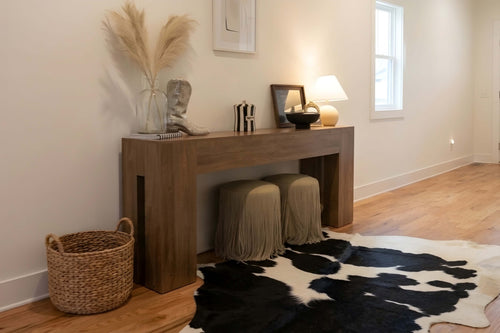
Entryway & Hallway: High-traffic zones are where brindle's durability earns its keep. The pattern's tonal complexity means dirt and wear don't read on it the way they would on a light or solid hide — it stays looking good through constant use. A brindle Cowhide Runner in a hallway frames the length of the space perfectly, and the 8x2 fits most standard American hallway widths.
For the full logic on how to position any hide across every room type, the Cowhide Placement 101 Guide covers it well.
Layer It Up: Pairing Brindle Rugs With Brindle Pillows & Patchwork Accents

Here's where the real design conversation starts. A brindle rug on its own is strong. A brindle rug that connects to other elements in the room — through pillows, patchwork, runners — becomes something more. It becomes a material story.
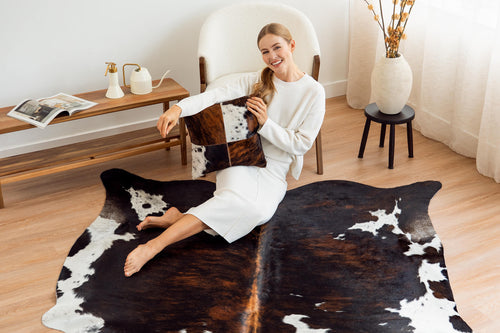
The most direct move: pair your Brindle Cowhide Rug on the floor with a Brindle Cowhide Pillow on the sofa. Same pattern, different scale, different plane. The repetition is what makes it feel designed rather than random — your eye connects the floor to the furniture and reads the room as intentional. Available in 15x15, 20x20, and 12x20 lumbar, the pillow sizing lets you dial in the proportion that works for your sofa.
The Set of Three Cowhide Pillows — two classic brindle pillows plus one Patchwork Cowhide pillow — is the combination I keep recommending. The patchwork breaks the repetition just enough to keep the grouping interesting, while staying in the same material family as the brindle. It's the easiest way to add layered texture to a sofa without overthinking it.
For rug layering — placing a brindle hide on top of a larger base rug — the key is scale and contrast. A brindle cowhide over a natural jute or sisal works beautifully: the rough, organic base texture reads differently than the smooth hair-on-hide surface of the brindle, and the layering creates depth that neither piece achieves alone. BHG's How to Layer Rugs guide and 5 Tips for Layering Rugs both cover the mechanics well if you want to go deeper on technique.
The Cowhide Pillow backing options also matter here: Cowhide Backing (hair-on-hide both sides) gives you the most texture; Fabric Backing (cowhide front, fabric reverse) is softer against upholstery; Leather Backing (cowhide front, smooth leather reverse) adds a refined, tailored finish. The choice affects how the pillow sits and feels, not just how it looks.
"The combination of a brindle rug and brindle pillows is one of those moves that looks more considered than it actually is. You're repeating the same material language at different heights in the room — floor, sofa, eye level — and the effect is a cohesion most people can feel before they can name it." — Derek Fontaine, Senior Interior Stylist, Fontaine & Co. Design, Nashville TN
The Brindle Color Palette: Which Walls, Furniture & Textiles Complement It Best

Brindle's tonal range — dark brown, warm tan, cool grey — gives it a wider palette compatibility than almost any other natural cowhide pattern. But some combinations work harder than others. Here's what I've seen perform best.
Walls: Warm whites and off-whites (think Benjamin Moore White Dove, Sherwin-Williams Alabaster) let the brindle pattern breathe and read fully. Warm greiges and taupes deepen the hide's brown tones and create a rich, enveloping feel. For a more modern edge, a deep charcoal or forest green wall behind a brindle rug creates a dramatic contrast that leans into the hide's darker streaks. What to avoid: cool blue-greys — they fight the warmth in the brindle pattern rather than complementing it.
Furniture: Warm wood — walnut, oak, teak — is brindle's natural partner. The organic grain of wood and the organic pattern of the hide speak the same design language. Linen sofas in cream, oatmeal, or warm grey work beautifully. Leather furniture in cognac or natural tan creates a rich material layering. For a more contemporary mix, matte black or dark bronze metal frames anchor the brindle's darker tones without competing.
Textiles: Natural fiber throws and cushion covers — linen, cotton canvas, slubby textures — sit well alongside brindle without creating visual noise. Chunky wool in cream or camel. Woven baskets. The principle is consistent: materials that look like they came from somewhere real complement a hide that absolutely did. For a room leaning toward Modern Farmhouse Style, brindle is a natural anchor. For something more eclectic, it holds its own alongside Boho Living Room Aesthetics as well.
For a full breakdown on building a room around a hide — starting from the rug and working outward — the Decorate a Room Guide at eCowhides covers the process step by step. The Rug Color Guide at Chris Loves Julia is also a genuinely useful reference for matching hide tones to specific room palettes.
Brindle Care 101: Keeping Your Hide Looking Rich & Beautiful for Decades

One of the reasons I keep recommending brindle for high-use spaces is the maintenance reality. A brindle hide is one of the easiest cowhide patterns to live with — the tonal complexity means minor dust and everyday wear simply don't register visually the way they would on a white or light hide. But "low maintenance" doesn't mean "no maintenance," and the right routine makes the difference between a hide that looks good for five years and one that looks good for twenty-five.
Here's the routine that works:
- Shake it out weekly — take it outside, hold two corners, give it a firm shake. Loose debris falls out without mechanical contact with the hair fibers. For hallway and entryway pieces especially, this is the single most important maintenance habit.
- Blot spills immediately — press a clean dry cloth firmly into the spill and lift. Don't rub — rubbing pushes moisture deeper into the hair and toward the leather backing. Blot, reposition, repeat until dry.
- Spot clean with mild soap and cool water — a small amount of pH-neutral dish soap on a barely damp cloth handles most stains. Work in the direction the hair lays. Blot dry, let it air at room temperature.
- Vacuum on low suction if needed — use a flat suction attachment only, moving in the direction the hair grows. Never use a beater bar or rotating brush, which damages the hair follicles over time.
- Rotate periodically — if one area takes heavier foot traffic, rotating the hide 180 degrees every few months distributes wear evenly across the full surface.
What to avoid: steam cleaning, soaking the hide, folding it for storage (always roll hair-side out), and placing it in sustained direct moisture. BHG's Cowhide Cleaning Guide is a solid external reference, and the complete protocol is in the eCowhides Cleaning and Care Guide.
The longevity case for brindle — for any genuine cowhide — is compelling. A quality hide lasts a lifetime with basic care. Unlike synthetic rugs that shed microplastics and degrade under foot traffic, natural hide develops character over time — the texture deepens, the tones warm slightly, the piece becomes more itself with every year. That's not something you can replicate with manufactured materials.
"The care routine for a quality brindle hide takes about five minutes a week. The return on that five minutes is a floor piece that outlasts every other textile in the room — often by decades. That math is why natural hide keeps winning against synthetic alternatives." — Lena Brück, Material Consultant & Hide Restoration Specialist, Chicago IL
FAQ: Brindle Edition

What Is A Brindle Cowhide Rug?
A Brindle Cowhide Rug is a genuine hair-on-hide rug featuring the natural brindle pattern — streaked flows of dark brown, warm tan, and cool grey that occur naturally in the animal's coat. No two pieces are identical. The pattern is not dyed or printed; it's the real coloring of the hide, preserved through the tanning process.
What Rooms Work Best With A Brindle Cowhide Rug?
Virtually every room — which is what makes brindle one of the most versatile patterns in the collection. Living rooms, bedrooms, hallways, home offices, and covered outdoor spaces all work well. The pattern's tonal complexity means it adapts to warm and cool color environments equally. For high-traffic areas like entryways, the Brindle Cowhide Runner format is especially practical.
What Pillows Go With A Brindle Cowhide Rug?
The Brindle Cowhide Pillow is the most direct match — same pattern at a different scale, connecting the floor to the sofa in the same material language. For variety, mix with a Patchwork Cowhide pillow — the geometric structure of the patchwork reads as a complement rather than a competition to the organic streaking of the brindle.
Can I Layer A Brindle Rug Over Another Rug?
Yes — and it works particularly well over natural fiber base rugs like jute, sisal, or seagrass. Place the brindle hide on top, slightly offset or angled, so both pieces are visible. The contrast between the rough fiber base and the smooth hair-on-hide surface creates depth that neither piece achieves alone. Make sure the brindle is smaller than the base rug. A non-slip pad underneath keeps everything stable.
What Wall Colors Work Best With Brindle?
Warm whites, off-whites, and warm greiges let brindle's full tonal range read naturally. Deep charcoal or forest green walls create a dramatic contrast that plays well with the hide's darker streaks. Avoid cool blue-grey walls — they create a temperature conflict with the warm tones in brindle. The Rug Color Guide has practical guidance for matching any hide to a specific wall palette.
What Is The Difference Between Brindle And Light Brindle?
Standard brindle carries warmer dark brown and tan tones with grey streaking. Light Brindle Cowhide Rugs carry the same streaked pattern in a cooler, greyer, more muted tone — better suited to rooms leaning contemporary, coastal, or Scandinavian. If standard brindle feels too warm for your space, the light version brings the same character in a cooler register.
How Do I Clean A Brindle Cowhide Rug?
Shake it out weekly for loose debris. Blot spills immediately with a dry cloth — never rub. Spot clean with a mild soap solution on a barely damp cloth, working in the direction the hair lays. Let it dry naturally at room temperature. No steam cleaning, no soaking. The full care protocol is in the eCowhides Cleaning and Care Guide.
Is Brindle Cowhide Good For Homes With Pets?
Yes — and the tonal complexity of brindle makes it one of the best cowhide patterns for pet households specifically. Hair, dirt, and light wear don't register visually the way they would on a light or solid hide. The non-porous surface doesn't trap allergens or odors, and spills clean up quickly with a damp cloth. The Pet-Friendly Homes Guide covers the full picture.
What Size Brindle Cowhide Rug Should I Choose?
For a living room, go large enough that the front legs of all major seating pieces sit on the hide. For a bedroom, extend at least 18 inches beyond the sides of the bed. Emily Henderson's Rug Size Guide is the most reliable reference for room-by-room sizing logic. For tighter spaces, a Small Cowhide Hide in brindle works as an accent piece without overwhelming the floor.
How Long Does A Brindle Cowhide Rug Last?
With basic care — weekly shake-outs, prompt blotting of spills, occasional spot cleaning — a quality brindle hide lasts 20+ years. Natural cowhide develops character rather than simply wearing out: the texture deepens, the tones shift slightly warm, the piece becomes more interesting over time. The full longevity case is made in the Cowhide Durability Guide.
Brindle Is the Rug That Gets Better Every Year — Start With the Right One

Most rugs peak on the day you bring them home. A brindle cowhide is different. It gets richer, more textured, more itself with every year of use. The streaking deepens. The tones warm. The surface develops the kind of character that manufactured materials can never replicate — because it was never manufactured in the first place.
Pair it with a Brindle Cowhide Pillow on the sofa. Add a Patchwork Cowhide accent in the mix. Put a brindle Cowhide Runner in the hallway. Build the material story room by room, piece by piece — each one one-of-a-kind, each one made to last.
Browse the full Brindle Cowhide Rug Collection at eCowhides.com and find the one your room has been waiting for.