There's something quietly revolutionary happening in contemporary living spaces. It's not happening in design showrooms filled with sterile minimalism or overstuffed Instagram aesthetics. Instead, it's unfolding in real homes—the ones where families gather, where the dog sleeps in the afternoon sun, where life actually happens. And it all starts with a conversation between a woman designer and a woman who knows exactly what she wants for her space.
What makes this moment different? It's the intersection of three powerful trends: sustainability that actually means something, design leadership by women, and a collective exhaustion with mass-produced, disposable interiors. You're looking for pieces that matter—objects that won't end up in a landfill next season, that tell a story, and that look effortlessly beautiful without apology.
This is the story of how Ethical Cowhide Rugs became the statement piece of modern homes.
The Female Interior Designers Who Made Natural Hides a Staple of Contemporary Decor

If you follow contemporary design on any level, you've noticed something: women are completely reshaping how we relate to natural materials. Where previous generations saw cowhide as a utilitarian byproduct, today's female-led designers see endless possibility.
These aren't designers working in isolation. They're entrepreneurs, strategists, and visionaries who've built entire collections around the philosophy that a luxury natural hide can be both a practical solution and a work of art. Their perspective is fundamentally different from mass-market manufacturers who churn out identical pieces by the thousands.
"Women designers bring a different sensibility to leather," says design strategist and author of The Modern Hide, Rachel Sterling. "We think about texture, touch, the way light moves across a surface. It's not just about function—it's about creating an emotional connection with the space."
The shift has been seismic. According to recent market research, consumer preference for woman-designed home decor has grown by 37% in just three years. It's not because of savvy marketing. It's because these designers are solving problems that mainstream options have ignored for decades.
Her Space, Her Rules: How Women Are Breaking Traditional Cowhide Styling Norms

For too long, interior design followed a particular script. Here's where the Cowhide Rug goes. Here's how you style it. Here's the "correct" aesthetic.
Women are burning that script.
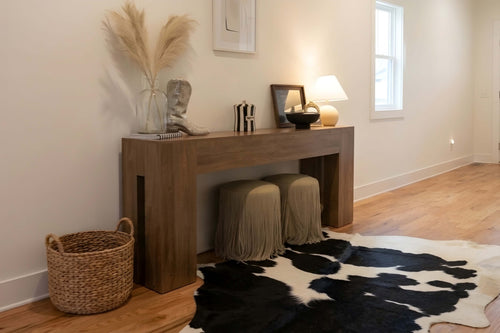
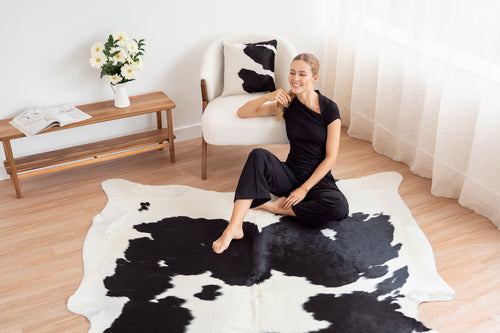
The revolution in Modern Cowhide Rug Styling has been genuinely democratic. There's no single "right way" anymore. A minimalist living room rug might feature bold geometric patterns or subtle spotted details—your choice. A Scandinavian Style Cowhide might be layered with a jute underlay or left to anchor a space solo. And that organic modern aesthetic everyone's talking about? Cowhide is having a moment there too.
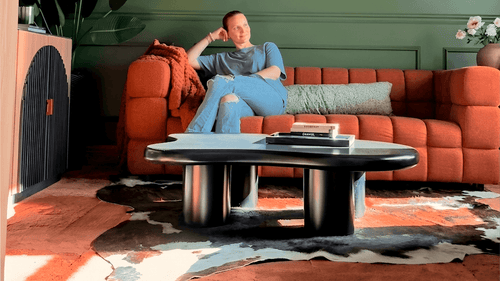
What's fascinating is how quickly the design conversation has shifted away from rules. "We used to teach designers that natural hides had a specific place—leather chairs, game rooms, very traditional spaces," explains interior design professor Dr. Margaret Chen. "Now? I see cowhides in minimalist lofts, children's bedrooms, even formal living rooms. Women are trusting their instincts rather than deferring to conventions."
This matters because it gives you permission. Real permission. Not the patronizing kind where someone explains why your idea "might work." The kind where you look at your space and think, I know what I want here.
From Ranch to Runway: The Women Behind the Sustainable Sourcing of Our Cowhide Pieces

Here's where the conversation gets real. Every ethical question you might have about a cowhide rug, every moment you've wondered about sustainability, deserves an honest answer.
Ethical Cowhide Rugs begin long before the rug exists. They begin with a commitment to what sustainable interior design actually looks like. This isn't green-washing. It's a documented chain from animal through processing to finished product.
Most legitimate cowhides sold today are animal byproducts of the food industry. This is actually the ethical story. When a cow is raised for beef, every part gets used—nothing is wasted. The hide becomes leather rather than ending up as waste. That's genuinely better than the alternative. It means you're using a material that would otherwise be discarded.
But here's where sourcing gets specific. Not all cowhides are created equally. The best sources for high-quality cowhide come from ranches that follow specific protocols: controlled grazing, veterinary care standards, and transparent processes. Female-led brands have been particularly rigorous about these standards because they recognize that sustainability isn't just environmental—it's ethical.
"I visited the ranches where our cowhides source from," shares Amelia, co-founder of eCowhides. "The animals are well-cared for. The tanning process uses chrome tanning with specific water treatment protocols. Every decision was made with intention."
The cruelty-free sourcing practices worth knowing about:
- High animal welfare standards - Ranches certified by animal welfare organizations, not just marketing claims
- Transparency in supply chain - Real brands can tell you exactly where their hides come from
- No waste philosophy - Even byproducts of leather processing get repurposed into gelatin, collagen, or other products
When you choose a cowhide from a responsible source, you're making a statement that this matters to you. You're supporting ranches with better practices. You're saying no to waste.
Bold, Beautiful, and Unapologetic: The Cowhide Patterns Women Are Choosing in 2026

Open any contemporary interior design magazine and you'll see the same pattern repeating (pun intended): Cowhides are having their boldest moment ever.
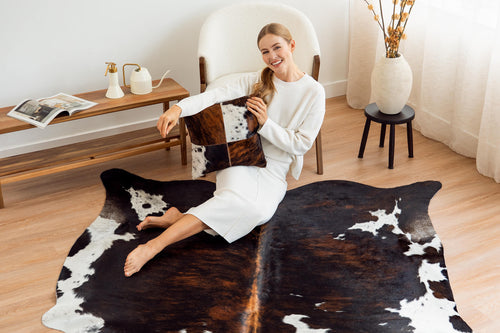
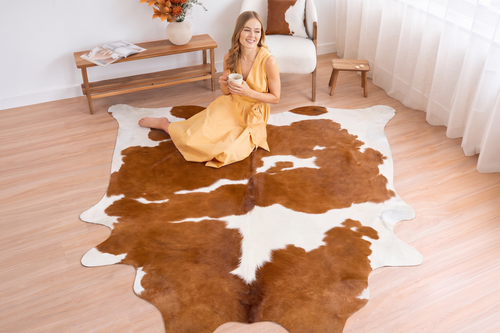
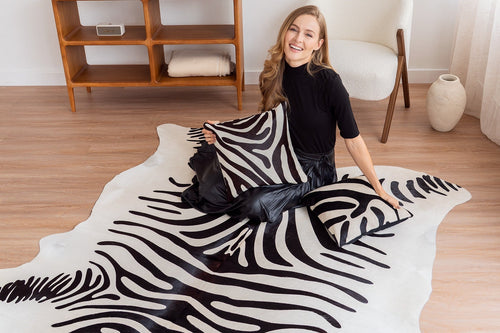
Gone are the days when cowhides meant basic brown and white spotted patterns. Contemporary women are choosing cowhides that actually reflect something about their personality. This is the year of the statement piece—the rug that makes someone say, "That's the focal point of this entire room."
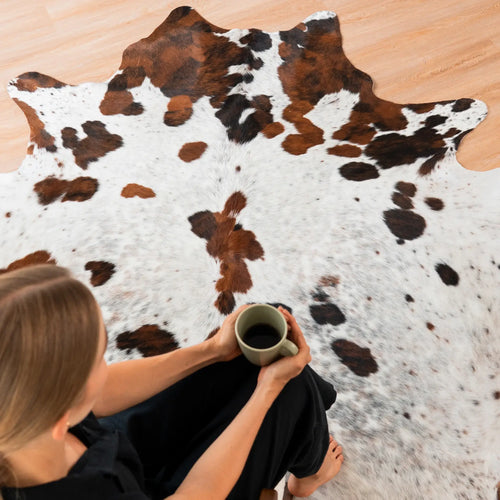
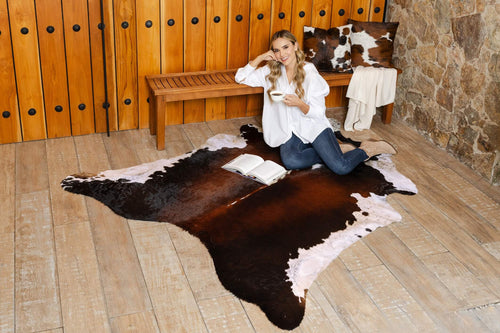
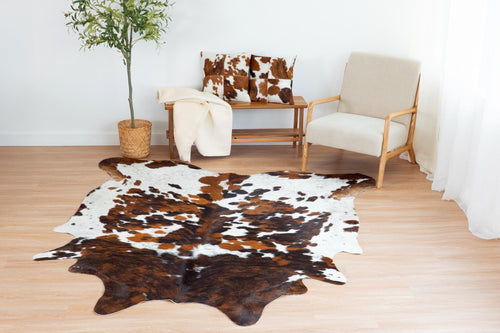
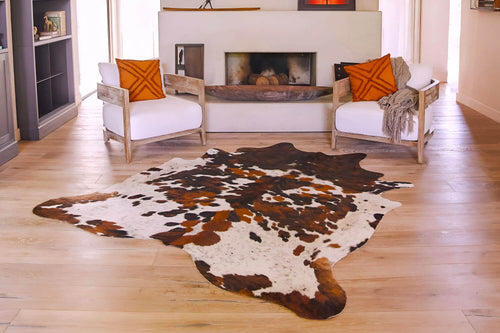
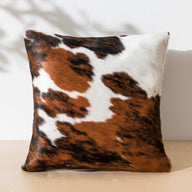
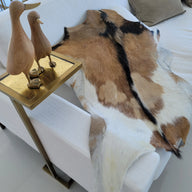
Tricolor Natural Hides are experiencing a renaissance. These aren't artificial dyes—they're the natural color variations that come from Genuine Cowhides. A single hide might feature cream, caramel, and black. The patterns emerge organically, which means your rug is genuinely one-of-a-kind. There's no identical version sitting in another home.
Celebrating the Women Who Turned a Simple Hide Into a Design Statement Worth Passing Down

There's a particular kind of satisfaction that comes from owning something designed with intention, made responsibly, and built to last. This is worth celebrating.
Your grandmother probably had a cowhide throw draped over a sofa—functional, somewhat precious, definitely not discussed. Today's woman is likely doing something different. She's chosen a cowhide for her bedroom because she wants to feel grounded. She's selected one for her office because the texture and color perfectly support her focus. She's picked one for the nursery because it's hypoallergenic and safe for children, and because she wants her children growing up around objects made with intention.
This shift—from accidental inheritance to deliberate selection—is genuinely important. It speaks to women taking ownership of their spaces in a new way.
The women making these pieces are also changing the conversation around heirlooms. Cowhides used to be throwaway—last three years and move on. Contemporary artisan-crafted rugs from women-led brands are being designed to last decades. They're objects you'll pass down because they'll still be beautiful at 40 years old. The leather will age gracefully. The color will mellow. The patina will tell a story.
"I design every rug imagining my daughter using it someday," explains Julieth, eCowhides artisan. "Not in the sense of it becoming dated—in the sense of it becoming more beautiful as it lives in a home. That changes everything about how I source materials and approach construction."
This is the inheritance narrative shifting. Instead of inheriting your mother's chintz sofa, you're choosing to carry forward her values: sustainability, intentionality, refusing to settle for mediocre.
FAQ: Women Edition

Are Cowhide Rugs Ethically Sourced And Sustainable?
Yes, when sourced responsibly. Cowhides are animal byproducts of the food industry—the hide would otherwise be waste. Look for brands with documented animal welfare standards and transparent supply chains. Always check sourcing statements before purchasing.
How Do I Clean And Maintain A Cowhide Rug In A High-Traffic Area?
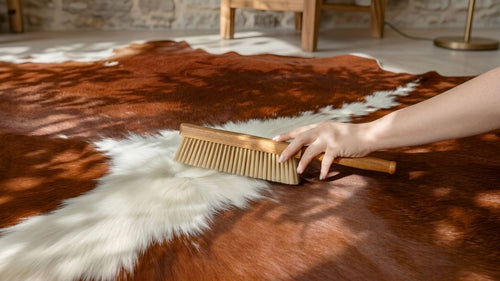
Vacuum weekly with a soft brush, blot spills immediately, and avoid excess moisture. Flip every 2-3 months for even wear. Durable rugs for pets and kids, cowhides actually improve with age and develop a beautiful patina in high-traffic areas.
Are Cowhide Rugs Hypoallergenic And Safe For Children Or Pets?
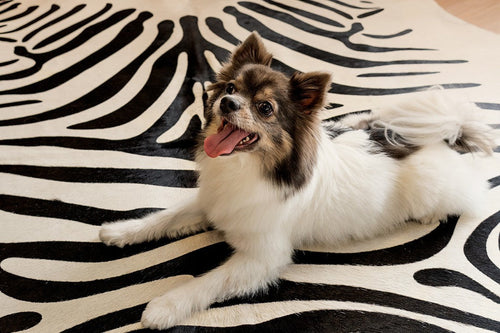
Absolutely. Hypoallergenic Area Rugs made from cowhide resist dust mites and allergens naturally. The leather doesn't harbor bacteria or mold, and quality cowhides use non-toxic tanning. They're durable enough to handle pet claws without shredding.
Can I Use A Cowhide Rug Over Carpet Or On Hardwood Floors Without Slipping?
Over carpet, no problem. On hardwood, use a non-slip rug pad. Best solution: layering cowhide over jute for grip, visual interest, and protection.
Do Real Cowhide Rugs Have A Strong Odor Or Shed Over Time?
New cowhides may have a subtle scent for a few weeks—it dissipates quickly. They don't shed like fabric rugs. Quality High-quality Brazilian cowhide arrives fresh-smelling and odor-free within days.
How Do I Prevent The Edges Of A Natural Cowhide Rug From Curling?
Avoid heat sources and dramatic humidity changes (maintain 40-50%). If curling starts, place heavy objects along edges temporarily. Most artisan-crafted rugs correct themselves within weeks.
How Do I Distinguish Between A High-Quality Authentic Cowhide And A Synthetic Faux Alternative?
Real cowhides show natural color variations, have suppleness and warmth, visible pores, and a genuine leather smell. Authentic hides develop patina over time; faux alternatives stay static. Ask for sourcing documentation—hand-selected leather rugs include origin and processing details.
Your Home, Your Rules: The Final Reflection

Here's what we've learned by talking to women who are transforming their spaces: your home is the most intimate design project you'll ever undertake. It's not about following anyone's rules or matching someone's inspiration board. It's about creating a space that makes sense for your life.
When you choose a Cowhide Rug designed by woman, you're choosing to support women in design leadership. You're choosing an object made with intention. You're choosing something that will age beautifully, that you can actually use without guilt, and that will make you feel something the moment you walk into the room.
That's not just home decor. That's the future of how we live.
Your space, your rules. Choose accordingly.