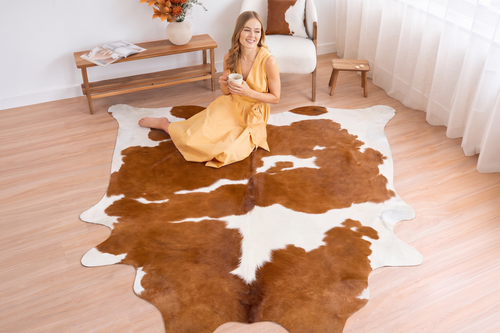
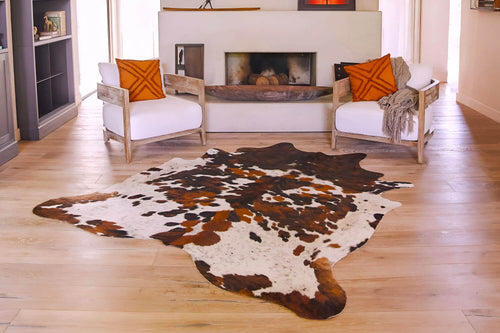
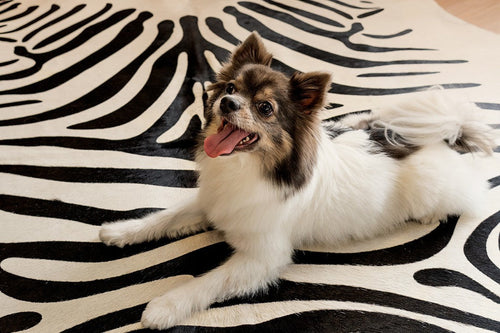
You know that stomach-drop moment when a glass of Cabernet tips in slow motion toward your Pristine Cowhide Rug? Or when your golden retriever decides your brand-new hide is the perfect spot for… well, you know. I've been there, friend. And I've learned the hard way that panic-Googling "how to clean Cowhide" at 11 PM usually leads to more damage than the original spill.
Here's the thing about Cowhide Stain Removal: the internet is stuffed with terrible advice. Half the "cleaning hacks" out there will strip your rug's Natural oils faster than you can say "ruined investment." The other half? They simply don't work.
After years of working with Natural Hides and hearing every cleaning disaster story imaginable, I'm pulling back the curtain on what actually works for Cowhide Rug Care—and more importantly, what'll permanently wreck your gorgeous piece. Because that Brazilian Beauty lounging in your living room deserves better than dish soap and desperate prayers.
Let's talk stain-fighting truth. No fluff, no sponsored nonsense, just real solutions that won't leave you crying into your checkbook.
The Coffee and Red Wine Emergency Protocol: Act in 30 Seconds or Less

The clock starts ticking the second that liquid hits your hide. Not in five minutes. Not after you finish your phone call. Now.
Here's your emergency game plan for Removing Red Wine from Cowhide or tackling coffee disasters:
Immediate Action (0-30 seconds):
- Grab a clean, white cloth—no colored towels that might bleed dye
- Blot (don't rub!) from the outside of the spill inward
- Apply gentle pressure to lift the liquid without grinding it deeper into the hair fibers
- Keep blotting with fresh sections of cloth until you're not picking up any more color
The 30-Second to 5-Minute Window:
- Mix one part White Vinegar with three parts lukewarm water (the White Vinegar Cowhide Cleaning Ratio that actually respects the hide's pH balance)
- Lightly dampen—not soak—a fresh cloth with this solution
- Continue blotting the affected area with gentle, circular motions
- Switch to a dry cloth immediately to absorb excess moisture
"The worst thing you can do is flood the area with water," explains Marcus Chen, a leather restoration specialist with 20 years of experience. "Cowhide is remarkably resilient, but its backing and natural structure can't handle saturation. Think of it like your own hair—you wouldn't stick your head in a bucket to clean one strand."
For Removing Coffee Stains from Light Rugs, speed matters even more. Those tannins are basically tiny staining ninjas, and they work fast. If you've got a cream or white hide, you're racing against chemistry itself.
What NOT to grab during an emergency:
- Bleach (kills Natural oils and discolors permanently)
- Hydrogen peroxide on dark hides (hello, bleach spots)
- Hot water (sets protein-based stains)
- Paper towels (too abrasive for delicate hair)
The truth? Most Red Wine emergencies get solved—or ruined—in the first two minutes. Your Cowhide Rug Maintenance starts with mastering the blot.
Eucalyptus Oil vs. Vinegar Solutions: Natural Stain Removers That Actually Work

Let's settle this debate once and for all. Both Eucalyptus Oil and White Vinegar have their place in your Organic Rug Cleaners arsenal, but they're not interchangeable miracle workers.
White Vinegar: The Gentle Workhorse
White Vinegar is your go-to for fresh, water-based stains. It's mildly acidic (around pH 2.5), which helps break down organic compounds without devastating your hide's natural pH balance. I keep a spray bottle of the 1:3 Vinegar-to-water ratio under my sink at all times.
Best for:
- Coffee and tea spills
- Light food stains
- Dirt and mud (once dried and brushed)
- General maintenance cleaning
- Removing odors from fabric-based spills
Eucalyptus Oil: The Specialty Player
This is where things get interesting. Eucalyptus Oil isn't just a pleasant-smelling hippie solution—it's genuinely effective for oil-based problems and sticky situations. The natural solvents in Eucalyptus Oil can break down adhesives, ink, and grease without the harshness of chemical alternatives.
Best for:
- Cleaning Ink Off Cowhide Hair
- Sticky residue (think: gum, tape marks)
- How to Clean Grease Off Leather Rugs scenarios
- Tar or wax-based substances
Application method for Eucalyptus Oil:
- Apply 2-3 drops to a white cotton cloth (never directly on the hide)
- Gently dab the affected area
- Let sit for 30-60 seconds
- Blot with a clean, slightly damp cloth
- Finish with a dry cloth to remove all moisture
|
Stain Type |
Best Natural Cleaner |
Why It Works |
Success Rate |
|
Red Wine (fresh) |
White Vinegar solution |
Breaks down tannins, pH-balanced |
85-90% |
|
Coffee |
White Vinegar solution |
Dissolves organic compounds |
80-85% |
|
Grease/Oil |
Eucalyptus Oil |
Natural solvent properties |
70-75% |
|
Ink |
Eucalyptus Oil + Rubbing Alcohol |
Dissolves petroleum-based pigments |
60-70% |
|
Mud (dried) |
Dry brush + Vinegar finish |
Mechanical + chemical cleaning |
95% |
|
Sticky Residue |
Eucalyptus Oil |
Breaks down adhesives |
85% |
Here's a pro move: keep both solutions on hand. Start with the gentlest option (diluted Vinegar), and only escalate to Eucalyptus Oil if you're dealing with something stubborn or oil-based. Your hide will thank you.
Pet Urine Neutralization: Removing Odors Without Damaging the Hide

Oh, this one. This is where I see the most heartbreak and the worst DIY disasters. Pet Urine isn't just a stain—it's a chemical warfare situation involving ammonia, uric acid, and bacteria. And unlike that Red Wine spill, you might not even catch it immediately.
The standard advice floating around? Enzyme cleaners marketed for carpets. The problem? Most of those products are designed for synthetic fibers and can absolutely wreck the protein structure of your Natural Hide. You need solutions specifically safe for Organic Animal Skins.
The Right Way to Handle Fresh Pet Accidents:
First 60 seconds matter exponentially here. Pet Urine soaks fast.
-
Absorb everything immediately - Press clean towels firmly into the area, applying your body weight if needed. Replace towels until they come up barely damp.
-
Neutralize the acid - Mix 1 part White Vinegar to 2 parts water. The acetic acid in Vinegar neutralizes the alkaline Urine without harsh chemicals. Lightly dampen (don't drench) the area.
-
Odor elimination - Once you've blotted the Vinegar solution, sprinkle a thin layer of baking soda over the damp area. Let it sit for 30-45 minutes to absorb odors and remaining moisture.
-
Remove residue - Vacuum up the baking soda completely. Brush the hair fibers gently to restore their natural direction.
For Set-In Pet Urine Stains:
This is trickier. Once Urine has crystallized into the hair shaft, you need a different approach:
- Use a pH-Neutral Cleaner specifically formulated for leather
- Apply sparingly with a barely-damp cloth
- Work in small sections
- Consider professional Hide Cleaning for severe cases—some battles aren't worth fighting at home
The Emergency Rug Cleaning Kit for Pet Owners:
If you've got animals, keep this stuff accessible:
- White Vinegar (distilled)
- Baking soda
- White cotton cloths (buy a stack)
- pH-Neutral leather cleaner
- Soft-bristled brush
- Enzyme neutralizer (safe for animal skins—verify before buying)
"The biggest mistake people make with Pet Urine is waiting," notes Dr. James Whitfield, a veterinary specialist who also studies leather preservation. "Urine pH is around 6-7 when fresh, but as it breaks down, it becomes increasingly alkaline and damaging. Every hour you wait makes permanent damage more likely."
The Water Warning: Why Soaking Your Rug is the Biggest Mistake

I'm going to say this loudly for the people in the back: WATER IS NOT YOUR FRIEND.
I know, I know. When something's dirty, our lizard brain screams "wash it!" But Cowhide isn't your cotton t-shirt. It's skin—specifically, it's skin that's been carefully tanned to maintain flexibility while staying preserved. And just like your own skin, too much water causes serious problems.
What happens during Water Damage on Cowhide Rugs:
- Hair follicles loosen - Water weakens the bond between hair and hide, leading to shedding and bald patches.
- Natural oils wash out - Those oils keep the hide supple. Strip them, and you get a stiff, cracking disaster.
- Mold and mildew move in - Trapped moisture in a natural material? That's a fungal paradise.
Think of it this way: your Cowhide Rug can handle a spritz of cleaning solution on a cloth. It cannot handle being hosed down like a driveway.
The Maximum Moisture Rule:
Your cloth should be damp, not wet. Here's the test: wring out your cleaning cloth completely, then use it. If you can squeeze out even a drop of liquid, it's too wet for Cowhide Rug Care.
Drying Protocol After Any Cleaning:
- Immediately blot with dry towels
- Allow to air dry completely in a well-ventilated space
- Keep away from direct sunlight (fades color) and direct heat sources
- Never, ever flip it to "dry the backing" while still damp (hello, mold)
- Ensure both sides are completely dry before placing back on the floor
Some people ask about Dry Cleaning Cowhide at Home. Here's the reality: true dry cleaning uses chemical solvents (like perchloroethylene), which you can't safely handle at home and which might damage Natural Hides anyway. When professionals say "dry cleaning" for Cowhides, they usually mean low-moisture cleaning methods, not actual dry cleaning.
Signs You've Used Too Much Water:
- Hide feels stiff or cardboard-like
- Backing is warped or pulling away
- Visible water lines or discoloration
- Musty smell developing
- Hair falls out easily when brushed
Steam Cleaning Done Right: Direction, Temperature, and Timing Tips

Here's where I lose some of you: Steam Cleaning can actually work for Cowhide Rug Maintenance. But—and this is a Texas-sized but—it requires precision that most people don't have.
Steam Cleaning isn't about blasting your hide with moisture. Done correctly, it's about using controlled heat and minimal moisture to lift dirt while sanitizing. Done incorrectly, it's a one-way ticket to Ruinedville.
The Steam Cleaning Commandments:
Temperature Control:
- Keep steam temp between 150-180°F (not the 200°F+ that carpet cleaners use)
- Test on an inconspicuous edge first
- Never hold the steamer in one spot longer than 2-3 seconds
Direction Matters:
- Always steam in the direction of hair growth
- Work in small sections (roughly 6x6 inches)
- Maintain 6-8 inches distance between steamer and hide
- Move in smooth, continuous passes—no lingering
Timing Protocol:
- Entire cleaning session shouldn't exceed 10-15 minutes
- Let each section cool and dry for 30 seconds before moving to adjacent area
- Schedule Steam Cleaning no more than twice yearly (once is better)
Equipment Requirements:
- Handheld garment steamer (NOT a carpet steam cleaner)
- Low-pressure setting only
- Distilled water (minerals in tap water can leave deposits)
- Microfiber cloths for immediate moisture absorption
|
Steam Cleaning Factor |
Recommended Setting |
What Happens If You Ignore This |
|
Temperature |
150-180°F |
Hair damage, color fading, backing separation |
|
Distance |
6-8 inches |
Burns, moisture oversaturation, warping |
|
Duration per spot |
2-3 seconds |
Water penetration, hair loosening |
|
Frequency |
1-2x per year |
Cumulative damage to Natural oils |
|
Post-steam drying |
Immediate blotting |
Mold growth, stiffening |
"Steam has its place in leather care, but it's advanced territory," says Patricia Mendez, a luxury hide specialist. "I've seen $2,000 rugs destroyed by well-meaning owners with a $40 steamer from Target. If you're not confident about moisture control and timing, skip the steam entirely."
When to Skip Steam Cleaning Entirely:
- Your hide is already stiff or dry
- You've never Steam Cleaned anything before (practice on something cheaper first)
- The backing shows any signs of weakness
- You're dealing with antique or highly valuable Hides
- Recent stains are still present (deal with those first using spot treatments)
The Better Alternative for Most People:
Honestly? Regular brushing with a Soft-Bristled Brush and occasional spot-cleaning with diluted Vinegar will keep your Cowhide looking great without the risks that come with Steam Cleaning. Save the steam for situations where you need deep sanitization—like after illness in the home or serious Pet Urine situations that you've already treated.
FAQ: Stain-Fighting Edition

Is It True That White Vinegar Is The Best Natural Cleaner For Cowhide Stains?
White Vinegar is one of the best—and safest—Natural cleaners for most Cowhide Stains, but "best" depends on the stain type. For water-based stains like Coffee, Red Wine, mud, and general dirt, diluted White Vinegar (1 part Vinegar to 3 parts water) is genuinely effective. It's mildly acidic enough to break down organic compounds without destroying the hide's Natural oils or pH balance. However, it's not ideal for oil-based stains like grease or sticky residues—that's where Eucalyptus Oil shines. The key word is diluted. Never use full-strength Vinegar directly on your hide.
What Common Household Cleaning Products Will Permanently Ruin The Natural Oils In A Hide?
The hall of shame includes bleach (absolute killer of Natural oils and color), ammonia-based cleaners like Windex, harsh detergents, any product with alkaline pH above 8, furniture polish, and general-purpose cleaners not formulated for leather. Even some "all-natural" products can wreak havoc—pure lemon juice is too acidic, and undiluted essential oils can strip protective oils. Basically, if it's designed for your kitchen counter or bathroom tile, keep it away from your Cowhide. Stick with pH-Neutral Cleaners specifically made for natural animal skins, or use properly diluted White Vinegar.
Can I Use A Soft-Bristled Brush To Scrub Out Deep-Set Stains Without Causing Hair Loss?
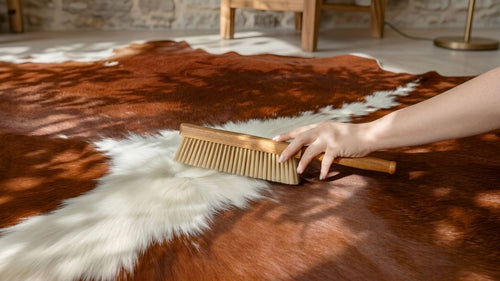
Yes, but "scrub" is the wrong word here. A Soft-Bristled Brush (think baby hairbrush soft) is excellent for Cowhide Rug Maintenance, but you're brushing, not scrubbing. Always work in the direction of hair growth with gentle, sweeping motions. For deep-set stains, the brush helps lift dirt to the surface where you can blot it away—you're not grinding the bristles into the hide. Hard scrubbing or brushing against the grain absolutely can loosen hair follicles and cause shedding.
How Do I Remove Red Wine Or Coffee Spills From A Light-Colored Cowhide Rug?
Speed is everything. Immediately blot (don't rub) with clean white cloths to absorb as much liquid as possible. Then use the 1:3 White Vinegar to water solution on a barely-damp cloth, blotting from the outside of the stain inward. For Removing Coffee Stains from Light Rugs, you might need multiple rounds of blotting with fresh cloths and solution.
Are Commercial Carpet Stain Removers Safe For Use On Organic Animal Skins?
Almost never. Most Commercial Carpet Stain Removers are formulated for synthetic fibers and contain enzymes, bleaches, or alkaline compounds that can permanently damage Organic Animal Skins. These products often work by breaking down protein-based stains—but guess what? Your Cowhide is made of protein. You're essentially using a product that "eats" the very structure of your rug. Some specialty leather cleaners exist, but read labels obsessively. Look for pH-Neutral Cleaners specifically stating they're safe for natural hides or leather. When in doubt, test on the edge or underneath, and lean toward DIY Cowhide Rug Cleaning Solutions you control.
How Can I Safely Remove Grease Or Oil-Based Food Stains From A Hide?
Oil-based stains require a different approach than water-based spills. First, blot up any excess grease with a clean cloth—don't spread it around. Then use Eucalyptus Oil (2-3 drops on a white cotton cloth) to gently dab the greasy area. The natural solvents in Eucalyptus Oil break down the grease without harsh chemicals. Let it sit for 30-60 seconds, then blot with a clean, slightly damp cloth, followed immediately by a dry cloth. For stubborn grease, cornstarch can help: sprinkle it on, let it absorb the oil for several hours, then vacuum and brush. Never use dish soap—it's too harsh and strips the hide's Natural oils along with the grease.
Is Eucalyptus Oil Or Rubbing Alcohol Effective For Removing Ink Or Sticky Residue From Cowhide?
Both work, but for different reasons. Eucalyptus Oil is fantastic for sticky residue like tape marks, gum, or adhesive because it gently dissolves the sticky compounds without chemical harshness. For Cleaning Ink Off Cowhide Hair, Rubbing Alcohol (isopropyl alcohol at 70% concentration) is often more effective because it breaks down the petroleum-based pigments in most inks. Apply either with a cotton swab to avoid spreading, dab gently, and don't saturate the area. Test first on an edge because both can affect dye on treated Hides. Success rates vary wildly depending on ink type—permanent marker is tougher than ballpoint pen.
Should I Use A Hairdryer To Speed Up The Drying Process After Spot-Cleaning?
Absolutely not. Direct heat from a hairdryer can cause the hide to shrink, stiffen, crack, or even scorch. It also risks setting stains permanently by "baking" them into the hair fibers. After spot-cleaning, blot thoroughly with dry towels to remove as much moisture as possible, then allow air drying in a well-ventilated area away from direct sunlight and heat sources. A fan for air circulation is fine—just no direct heat. Patience here prevents disaster. If you're in a rush and need to use the rug sooner, you've probably used too much moisture in the first place. Proper Cowhide Rug Care means minimal moisture that dries naturally within 30-60 minutes.
How Can I Tell If A Stain Has Permanently Damaged The Pigment Of The Hair Versus Just Being Dirty?
Great question. Dirty hair feels slightly rough or gritty and shows discoloration that's surface-level. When you brush it gently, you might lift some of the dirt, and the hair color underneath looks normal. Permanently damaged pigment shows color change at the hair shaft itself—the actual hair is lighter, darker, or discolored, and no amount of cleaning changes it. You might see color variation even when dry and clean.
Your Cowhide's Second Chance: The Clean Slate Protocol

Here's what I've learned after seeing hundreds of Leathers in various states of distress: most damage is preventable, but perfect isn't realistic. Your Cowhide Rug is a natural product with a life story written in its hair patterns and color variations. A small Coffee stain from your daughter's first sleepover? That's character. A bleach disaster from panic-cleaning? That's heartbreak.
The difference comes down to knowledge and speed. You now know the Stain-Fighting Truth—what works, what doesn't, and what crosses the line from cleaning into destruction.
Remember: Cowhide Stain Removal isn't about achieving museum-level perfection. It's about maintaining a beautiful, functional piece that makes your space feel like home. The occasional spot that won't budge? That's life happening in your living room, and there's something honest about that.
Most importantly, trust your instincts. If a cleaning method feels aggressive or risky, it probably is. When in doubt, less is more—gentle cleaning, minimal moisture, immediate drying. Your Cowhide survived being a cow, survived the tanning process, and made it to your home. Show it the respect it deserves.
And if you've already made mistakes? Welcome to the club. Every Cowhide owner has a war story. Learn from it, adjust your approach, and maybe consider a New Piece From Our Collection that you'll treat better this time around.
Now go forth and fight those stains with confidence—or better yet, prevent them in the first place. Your Cowhide is counting on you!