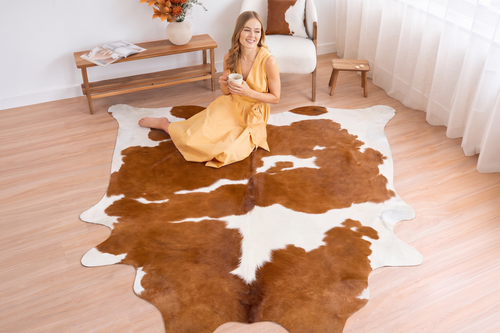
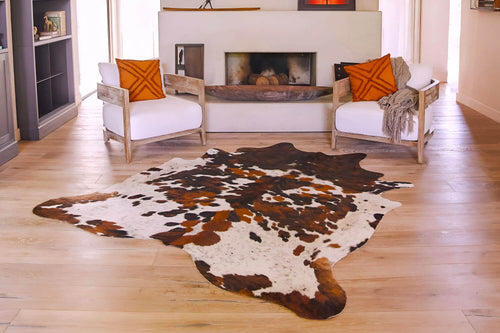
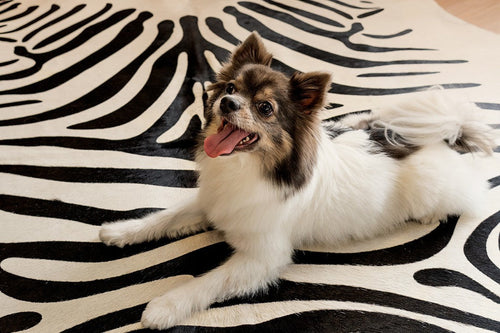
I'll be honest with you — the first time someone told me they steam-cleaned their Cowhide Rug, my stomach dropped a little. It's one of those well-meaning mistakes that feels logical right up until the moment the leather backing starts to stiffen and warp. And then it's too late.
Here's the thing about How to Clean a Cowhide Rug: it's not complicated, but it is specific. Hair-on Hide is not a simple carpet. It's not a synthetic rug you can throw in the wash. It's a natural product that breathes, responds to moisture, and holds up beautifully for decades — if you treat it right.
This guide is built room by room because where your rug lives changes everything about how it gets dirty and how you should care for it. Let's get into it.
Why Your Entryway Cowhide Rug Needs a Different Cleaning Routine Than Your Bedroom One

Picture your entryway rug for a second. It catches everything — rain, mud, gravel from the driveway, whatever your dog tracked in from the backyard. Now picture your bedroom rug. It mostly sits there looking beautiful while you pad across it in socks.
Same material. Completely different life.
Entryway and High-traffic Cowhide Rugs need more frequent attention — we're talking a solid shake-out at least once a week, spot checks after muddy or wet days, and a closer look at the hair direction every few months to catch uneven wear early.
Bedroom and low-traffic rugs are much more forgiving. A good shake every couple of weeks, the occasional vacuum pass, and you're golden. The real threat in low-traffic rooms isn't dirt — it's moisture buildup underneath from lack of airflow, or sunlight fading one side if your rug isn't rotated periodically.
Here's a quick room-by-room breakdown of what each space throws at your hide:
|
Room |
Main Threats |
Recommended Cleaning Frequency |
|
Entryway / Foyer |
Dirt, gravel, moisture, heavy foot traffic |
Weekly shake-out, spot clean as needed |
|
Living Room |
Spills, pet hair, dust accumulation |
Bi-weekly shake, monthly vacuum |
|
Bedroom |
Dust, minimal foot traffic, sunlight |
Monthly shake, rotate every 3–6 months |
|
Home Office |
Dust, chair friction, static |
Bi-weekly shake, vacuum monthly |
|
Kitchen (edge placement) |
Grease, moisture, food particles |
Avoid if possible; spot clean immediately |
The takeaway here: match your cleaning routine to your rug's environment, not just a generic schedule someone posted online.
The Suede Side Secret: How the Backing of Your Cowhide Rug Tells You Exactly How to Clean It

Flip your Cowhide Rug over. Go ahead, I'll wait.
What you're looking at — that soft, slightly textured suede-like surface — is the leather backing, and it is the single most important thing to protect during any cleaning process. The hair side is tough. It handles dirt and light moisture reasonably well. But the backing? It is sensitive to excess water, harsh chemicals, and prolonged dampness in a way that will age your rug fast if you're not careful.
"Leather's greatest vulnerability isn't surface abrasion — it's what happens when moisture penetrates the dermal layer and disrupts the natural oils that keep the hide supple. Once those oils are stripped, the leather becomes brittle and starts to crack from the inside out." — Thomas Riordan, Master Leather Craftsman and Hide Restoration Specialist
What the backing tells you, practically speaking:
- If it feels stiff or slightly rough — your rug is drying out. Place it in a well-ventilated area away from direct heat or sunlight and let it breathe naturally for a day or two. The hide will often relax and recover on its own with proper airflow.
- If it smells musty — there's been moisture trapped underneath. Pull the rug up, let it air out completely on both sides before putting it back down.
- If it's darkening in spots — a spill has soaked through the hair and hit the leather. Act fast: blot from above, never rub, and let it dry naturally away from heat sources.
Think of the suede backing as a diagnostic tool. It tells you things the hair side won't.
Shake, Blot, or Vacuum? When to Use Each Method and In What Order

This is probably the most practically useful section of this whole guide, so let's be precise.
Step 1: Shake First — Always
Before you do anything else, take your Cowhide Rug outside and give it a good shake. Hold two corners, flip it hair-side down, and let gravity do the work. Loose dirt, hair, and debris fall out without any mechanical contact with the fibers. This is your first line of defense and the gentlest option available.
Step 2: Blot for Any Wet or Fresh Spills
If there's a spill — wine, coffee, water, juice, whatever — your immediate move is to blot. Grab a clean, dry cloth and press firmly into the affected area. Do not rub. Rubbing pushes the liquid deeper into the hair and toward the backing. Blot, lift, reposition the cloth, blot again. Repeat until you've absorbed as much as possible.
For stubborn spots after blotting, a small amount of mild dish soap diluted in cool water, applied with a soft cloth and then blotted dry, handles most organic stains without damaging the hide.
Step 3: Vacuum Last, and With Care
Vacuuming is useful, but it has to be done right. Always vacuum in the direction of the hair, never against it. Use a low-suction setting — or better yet, the upholstery attachment — to avoid pulling on the follicles.
"The biggest mistake people make when vacuuming natural hides is using the full beater-bar setting. The rotating brush tears at hair fibers over time. A flat suction head, low power, hair direction — that's the formula." — Sandra Okafor, Textile Conservation Expert, Chicago Institute of Design
Here's the order to remember:
- Shake — remove loose debris
- Blot — address any wet spots or fresh spills
- Spot clean — mild soap solution for stains
- Vacuum — final pass for fine dust, hair direction, low suction
Skip ahead to vacuuming without shaking first and you're just grinding surface debris deeper into the hair. Order matters.
The Wrinkle Problem: What Causes Cowhide Rugs to Curl at the Edges and How to Fix It for Good

Edge curling is one of the most common complaints people have with Cowhide Rugs — and honestly, it's almost always preventable.
The main culprits:
- Moisture exposure — even light humidity can cause the leather to contract unevenly
- Being rolled too tightly during shipping or storage
- Sunlight hitting one edge but not the other, causing uneven drying
- Furniture legs sitting on the edge rather than flat on the floor
The fix depends on how bad the curl is. For mild curling:
- Dampen the curled edge very lightly with a barely-wet cloth on the suede side only
- Lay the rug flat with heavy books or flat objects on the affected area
- Let it dry completely at room temperature — no hairdryers, no direct sun, no heat vents nearby
For more stubborn curling, the same process but with a slightly damp cloth and a heavier weight, left overnight. Some people place a thin non-slip pad underneath the whole rug to keep the edges anchored once they've been flattened.
"A cowhide that curls is a cowhide that's been stressed — usually by moisture or improper storage. The fix is patience, not force. Trying to physically flatten a curled edge by bending it back sharply can crack the leather along that crease." — Maria Elenes, Natural Hide Restoration Specialist, Santa Fe NM
What you want to avoid: folding the rug to store it, leaving it in a humid garage or basement rolled up, or placing it where one edge consistently catches more sun or HVAC airflow than the rest.
Why Your Cowhide Rug's Worst Enemy Isn't Spills — It's the Gravel on the Bottom of Your Shoes

Everyone worries about spills. Red wine, coffee, the kid's juice box — those feel like the obvious threats. And sure, they need to be handled quickly. But pound for pound, the thing that does the most long-term damage to a Natural Hide Rug is the abrasive grit that people track in on the bottoms of their shoes every single day.
Think about it: tiny pieces of gravel, sand, and sidewalk grit get embedded in the hair fibers. Every step grinds those particles against each other and against the follicle roots. Over months and years, that's what creates thin patches, dull spots, and areas where the hair starts to lie flat and stay flat no matter what you do.
The fix is genuinely simple:
- Shoes off at the door — or at least a clean indoor shoe policy for rooms with cowhide rugs
- Weekly shake-outs for any rug that lives near an entry point
- A low-pile doormat outside the entrance to catch the worst of it before it ever reaches your cowhide
- Rotate your rug every three to six months to distribute any foot-traffic wear evenly
Cleaning Cowhide is easy. Preventing the damage that builds up quietly over time is what separates a rug that looks great at ten years from one that looks worn out at three.
FAQ: Care Edition

Can You Vacuum a Cowhide Rug Without Damaging the Natural Hair Fibers?
Yes, but technique matters. Always vacuum in the direction the hair naturally lays, use a low-suction setting, and skip the beater-bar or rotating brush attachment entirely. A flat suction head or upholstery tool is your best option for safe, effective Vacuuming Cowhide Rugs.
What Is the Best Way to Remove Liquid Spills Like Red Wine or Coffee from Cowhide?
Blot immediately with a clean dry cloth — never rub. After blotting up as much liquid as possible, apply a small amount of mild soap diluted in cool water with a soft cloth, then blot dry again. This Cowhide Rug Spill Repair method works for most organic liquids if you act fast enough.
Is It Safe to Use a Steam Cleaner or Professional Carpet Cleaning Machine on a Cowhide Rug?
No. Steam cleaning and wet extraction machines introduce far too much moisture into the leather backing, which can cause the hide to stiffen, warp, or develop mold. Steam Cleaning Cowhide Rugs is one of the most common — and most damaging — mistakes people make.
How Do You Get Rid of Stubborn Pet Odors or Urine Stains from a Leather Rug?
Blot up the liquid immediately. Apply a solution of equal parts white vinegar and water with a cloth, then blot dry. For odor, sprinkle baking soda lightly over the area, let it sit for several hours, then shake it out. A Natural Rug Deodorizer approach like this avoids chemicals that could damage the hide's natural oils.
Should You Use a Specific Type of Soap or Detergent for Spot-Cleaning Natural Hides?
Yes — always use a mild, pH-neutral dish soap diluted in cool water. Avoid anything with bleach, ammonia, or strong detergents. The Best Soap for Cowhide is gentle and unscented. Harsh chemicals strip the natural oils from the leather backing and can cause long-term brittleness.
How Often Should You Shake Out or Rotate a Cowhide Rug to Prevent Uneven Wear?
For high-traffic areas, shake weekly. For low-traffic rooms, every two weeks is fine. Rotate your rug 180 degrees every three to six months to distribute foot traffic and sunlight exposure evenly — this is one of the most underrated steps in extending your Cowhide Rug Lifespan.
Can Cowhide Rugs Be Placed in High-Moisture Areas Like Bathrooms or Kitchens?
It's not recommended. Prolonged exposure to steam, standing water, or high ambient humidity will damage the leather backing over time. If you love the look in a kitchen, place the rug away from the sink area and make sure the space is well-ventilated.
What Should You Do If the Edges of Your Cowhide Rug Start to Curl Upward?
Lightly dampen the suede side of the curled edge with a barely-wet cloth, lay the rug flat, and place heavy flat objects on the affected area overnight. Let it dry at room temperature — no heat sources. Knowing How to Fix Curled Cowhide Edges early prevents the curl from becoming a permanent crease.
Is It Possible to Dry Clean a Cowhide Rug or Will the Chemicals Ruin the Leather Backing?
Traditional dry cleaning solvents are generally too harsh for natural hides and can strip essential oils from the leather. If you feel Professional Cowhide Cleaning is needed, look specifically for a leather or hide specialist — not a standard dry cleaner. Always ask what solvents they use before handing anything over.
How Do You Safely Remove Food Particles or Dried Mud Without Pulling Out the Hair?
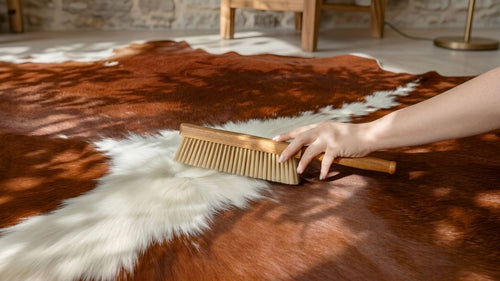
Let dried mud harden completely first — trying to clean it wet will spread it. Once dry, use a stiff-bristled brush (the Best Brush for Cowhide Rugs is a soft to medium natural bristle) to gently loosen the particles, always brushing in the direction of the hair. Follow with a shake-out, then a low-suction vacuum pass.
Treat It Right and It'll Outlast Every Other Rug You've Ever Owned

Here's the truth about Cowhide Rug Maintenance: it's genuinely not that much work. Shake it regularly. Blot spills fast. Vacuum carefully. Keep moisture away from the backing. Rotate it every few months. That's really it.
What makes cowhide so worth the investment is exactly what makes it worth protecting — it's real. A Natural Hide Rug from a quality source like eCowhides isn't made in a factory from synthetic fibers. It has character, variation, texture, and with the right care, a lifespan that will genuinely outlast most of the furniture it lives under.
The rooms that tend to have the most beautiful, Long-lasting Cowhide Rugs aren't the ones with the most careful owners — they're the ones with the most informed ones. Now you're one of them.
Browse the full collection of Premium Brazilian Cowhide Rugs at eCowhides.com — and when yours arrives, you'll know exactly how to keep it looking like day one for years to come.