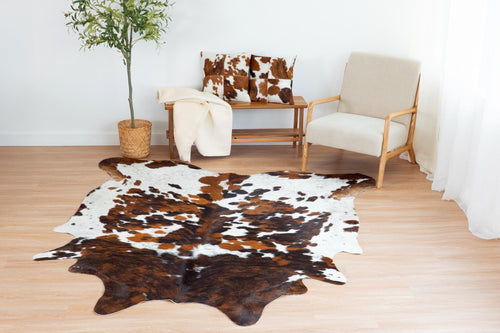
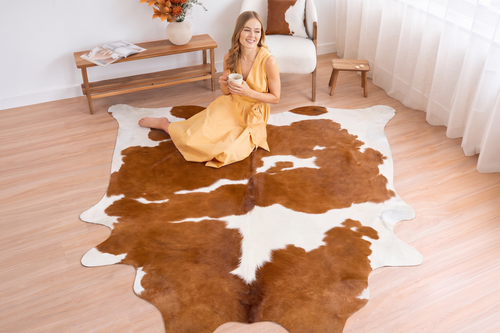
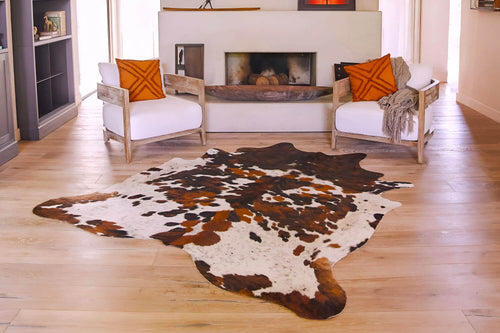
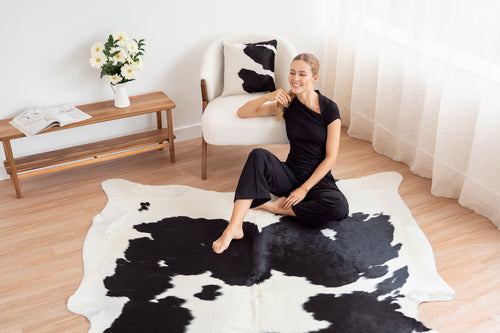
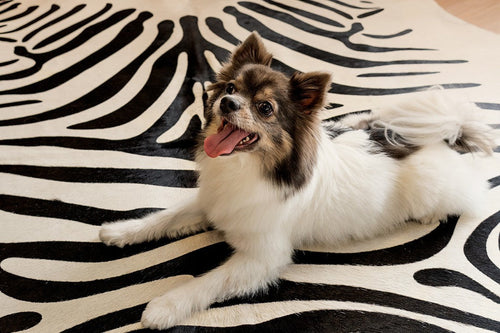
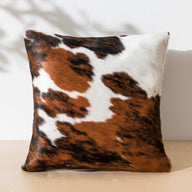
Picture this: you've finally found what looks like the Perfect Cowhide Rug online. The price seems reasonable, the photos look stunning, and you're already envisioning how it'll transform your living space. You hit "buy now" faster than you can say "home makeover." Three weeks later, a thin, brittle disappointment arrives at your doorstep – one that curls at the edges and feels more like cardboard than luxurious leather.
Sound familiar? You're not alone in this expensive mistake.
Buying Cowhide Rugs can feel like navigating a minefield of pitfalls, especially when you're shopping online. But here's the thing – with the right knowledge, you can spot quality from a mile away and invest in a piece that'll serve your family for decades, not months.
Whether you're decorating your first apartment or updating your family home, this guide will turn you into a savvy shopper who knows exactly what to look for.
How to Spot a Low-Quality Cowhide Rug

Let's start with the red flags that scream "run away!" when you're shopping for Authentic Cowhide Rugs.
The Price Red Flag
If a Cowhide Rug is priced suspiciously low, there's usually a reason. Quality Hair-on Hide require proper tanning, careful selection, and skilled finishing – all of which cost money. I'm not saying you need to break the bank, but a rug that's half the price of similar options? That's your first warning bell.
The Photo Test
When shopping online, look closely at the product photos. High-Quality Cowhide should have:
- Natural variations in color and markings
- Rich, supple-looking texture
- Clean, professional photography showing multiple angles
- Close-up shots of the hair and backing
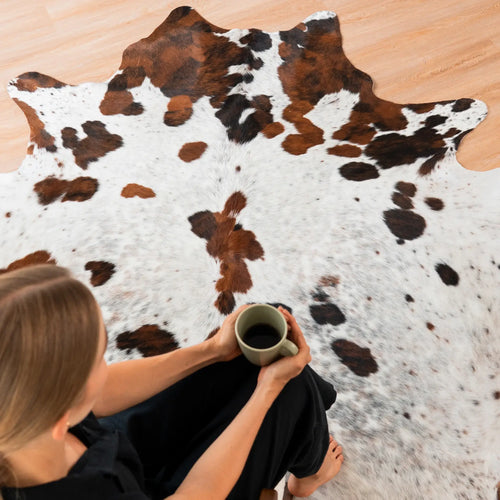
If you see overly uniform coloring, stock photos that look too perfect, or limited angles, proceed with caution. Real cowhides are beautifully imperfect – that's part of their charm.
The Description Details
Quality sellers will provide detailed information about:
- The tanning process used
- Country of origin
- Measurements
- Care instructions
- Return policy
Vague descriptions like "premium cowhide" without specifics are often hiding something.
The Backing Story
Here's something most people don't think to check: the backing of the rug. A Quality Cowhide should have a clean, well-finished leather backing that feels substantial. If the backing looks thin, discolored, or has an unpleasant chemical smell in the photos' descriptions, that's a major red flag.
The Feel and Finish Test: What to Look For

When your Cowhide Rug arrives (or if you're shopping in person), your hands become your best quality detectors.
The Softness Factor
Run your hand across the hair. Quality Cowhide should feel soft and supple, not brittle or coarse. The hair should move naturally under your touch and spring back into place. If it feels stiff or crunchy, that's a sign of poor tanning or chemical treatments.
The Flexibility Test
Gently lift and fold a corner of the rug. High-Quality Cowhide should be flexible without cracking or making stiff sounds. It should bend like soft leather, not like a piece of cardboard. This flexibility is crucial for longevity – rigid hides are prone to cracking over time.
The Smell Check
I know this sounds odd, but give your rug a sniff. Quality Hair-on Hide should have either no smell or a pleasant, natural leather scent. Strong chemical odors, fishy smells, or overpowering perfume-like fragrances indicate poor processing or attempts to mask inferior quality.
The Thickness Gauge
A Quality Hide should have consistent thickness throughout, typically ranging from 2-4mm. You can gently pinch different areas to check for uniformity. Thin spots or dramatic variations in thickness suggest poor quality control.
Why Beautifully Finished Edges Are a Sign of Quality

Here's where you can really separate the wheat from the chaff – the edges of your Cowhide Rug.
Clean Cut Craftsmanship
Quality Cowhide Rugs have edges that are carefully trimmed and finished. Look for:
- Smooth, even cuts along the perimeter
- No jagged or rough edges
- Consistent trimming that follows the natural shape
- Properly finished corners
Sloppy edge work isn't just an aesthetic issue – it's often the first place where inferior rugs start to deteriorate.
The Natural Shape Factor
Authentic Cowhides come in natural, asymmetrical shapes because, well, cows aren't rectangular! Be wary of rugs that look too perfectly shaped or symmetrical – they might be synthetic or heavily processed.
Professional Finishing Techniques
High-end processors use specialized tools to create clean edges that won't fray or curl. You'll notice the difference immediately when comparing a professionally finished rug to a mass-produced alternative.
Avoiding Damage with Proper Cowhide Care

Even the Highest Quality Cowhide Rug can become a costly mistake if you don't care for it properly. Let me share some insider tips that'll keep your investment looking gorgeous for years.
The Location Game
Where you place your cowhide matters more than you might think. Avoid:
- Direct sunlight (causes fading and brittleness)
- High-moisture areas like bathrooms
- Heavy traffic zones if it's a delicate hide
- Areas near heating vents
The Cleaning Cardinal Rules
Here's where people make expensive mistakes. Never:
- Soak your cowhide in water
- Use harsh chemicals or bleach
- Put it in the washing machine
- Use a steam cleaner
Instead, stick to:
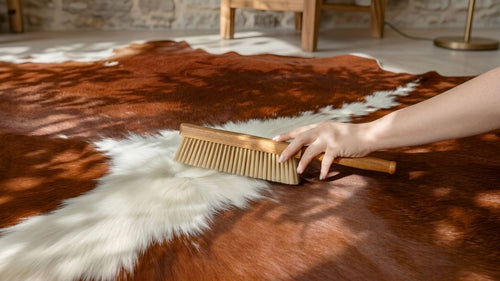
- Regular vacuuming with a brush attachment
- Spot cleaning with damp cloth and mild soap
- Professional cleaning for serious stains
- Proper drying if it gets wet
The Rotation Ritual
Just like expensive mattresses, rotating your Cowhide Rug every few months ensures even wear and prevents permanent traffic patterns from forming.
|
Do's |
Don'ts |
|
Vacuum regularly with brush attachment |
Machine wash or soak |
|
Rotate periodically |
Use harsh chemicals |
|
Professional clean when needed |
Place in direct sunlight |
|
Spot clean immediately |
Steam clean |
|
Use rug pad for protection |
Ignore manufacturer care instructions |
Is a Pricey Rug Always a Better Investment?

Let's tackle the elephant in the room – price versus value when it comes to Cowhide Rug Investment.
The Sweet Spot Strategy
You don't always need the most expensive option, but you definitely want to avoid the cheapest. I've found that the best value typically sits in the middle-to-upper range of pricing.
What You're Really Paying For
When you invest in a Quality Cowhide Rug, you're paying for:
- Superior tanning processes that prevent cracking and curling
- Careful selection of prime hides
- Professional finishing and edge work
- Longevity that makes the cost-per-year incredibly reasonable
The Lifetime Value Calculation
A $400 Quality Cowhide that lasts 15 years costs you about $27 per year. A $100 inferior rug that needs replacing every two years? That's $50 per year, plus the hassle of shopping again.
LWG Certification Worth
LWG-Certified Cowhide costs more, but it guarantees environmental responsibility and often correlates with higher quality processing standards. If sustainability matters to your family, it's worth the premium.
FAQ: Quality Edition

How Can I Tell If A Cowhide Rug Is Real Or Fake?
Real Vs Fake Cowhide differences are actually easier to spot than you'd think. Authentic Cowhides have irregular hair patterns, natural color variations, and an asymmetrical shape. Synthetic versions often look too perfect, with uniform coloring and symmetrical shapes. The feel test is crucial – real cowhide has natural oils that make it supple, while fakes feel dry and artificial.
What Are The Signs Of A High-Quality Cowhide Rug?
Signs Of Good Quality Cowhide include flexible leather that doesn't crack when bent, soft hair that springs back when touched, clean and finished edges, consistent thickness throughout, and a natural leather scent. The backing should be smooth and well-processed, and the overall appearance should show natural variations that make each piece unique.
What Are The Most Common Mistakes People Make When Buying A Cowhide Rug?
The Biggest Cowhide Rug Mistakes I see are: focusing only on price instead of quality, not measuring the space properly, buying from sellers with poor return policies, ignoring care requirements, and not checking for proper edge finishing. Many people also make the mistake of not asking about the tanning process or country of origin.
How Do I Avoid Buying A Cowhide Rug That Will Curl Or Crack Over Time?
Curling happens when the tanning process is rushed or inadequate. Look for sellers who specify their tanning methods and offer guarantees against curling. Quality Hides are properly stretched and finished during processing. Avoid rugs with thin edges or those that feel stiff upon arrival – these are prime candidates for future problems.
Is It Worth Paying More For An LWG-Certified Cowhide Rug?
LWG Certified Cowhide is worth the investment if environmental impact matters to you. These rugs come from tanneries that meet strict environmental and quality standards, which often translates to better processing overall. While not every non-certified rug is poor quality, LWG certification provides an extra layer of assurance about both ethics and craftsmanship.
How Can I Be Sure A Cowhide Rug Is Durable And Will Last For Years?
Durability Test involves checking flexibility, thickness consistency, and edge finishing. Ask sellers about their warranty or guarantee policies – confident sellers stand behind their products. Look for rugs with proper backing treatment and those that specify chrome-tanned or vegetable-tanned leather, both of which offer superior longevity.
Do I Need A Rug Pad For My Cowhide Rug, And If So, Which Kind?
Yes! A quality rug pad prevents sliding, adds cushioning, and extends the life of your Cowhide Rug. Choose a breathable, non-slip pad that's slightly smaller than your rug. Avoid rubber-backed pads that can trap moisture – opt for felt or waffle-weave materials instead.
How Can I Tell If A Cowhide Rug Has Been Properly Finished?
Proper Cowhide Rug Maintenance starts with proper finishing. Well-finished rugs have clean, sealed edges that won't fray, consistent thickness, and a backing that feels smooth and processed. The hair should be evenly distributed and securely attached – you shouldn't find loose hairs everywhere after normal handling.
What Are The Red Flags To Look For When Buying A Cowhide Rug Online?
Buying A Cowhide Rug Online Tips include watching for: stock photos instead of actual product shots, vague descriptions without processing details, prices significantly below market average, poor return policies, lack of care instructions, and sellers who won't answer specific questions about tanning methods or origin. Always read reviews and ask questions before purchasing.
Your Cowhide Journey Starts With Smart Choices

Investing in a Quality Cowhide Rug doesn't have to be a gamble if you know what to look for. Remember, this isn't just about avoiding expensive mistakes – it's about making a smart investment in a piece that'll bring warmth, style, and durability to your family's home for years to come.
The key takeaways? Always prioritize quality over price, don't skip the feel and flexibility tests, pay attention to edge finishing, and never underestimate the importance of proper care. Whether you're furnishing your first apartment or upgrading your family room, these guidelines will ensure you make a choice you'll love living with.
Ready to find that Perfect Cowhide Rug that'll make your space sing? Take your time, ask the right questions, and trust your instincts. Your future self (and your wallet) will thank you for doing your homework upfront.
What questions do you still have about choosing a Cowhide for your space? I'd love to help you navigate this exciting purchase – after all, every home deserves a piece that's as unique and beautiful as the family that lives there.