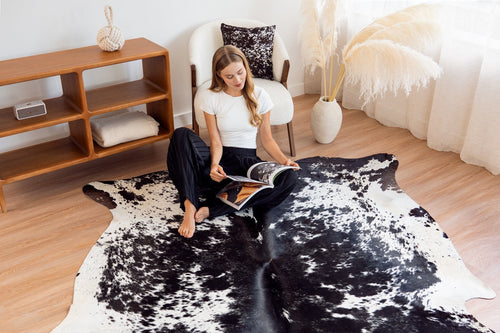
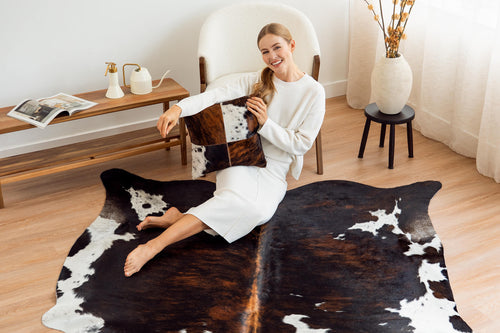
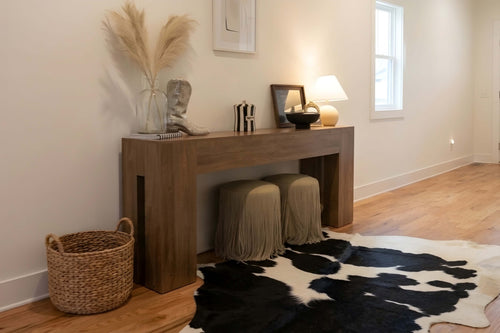
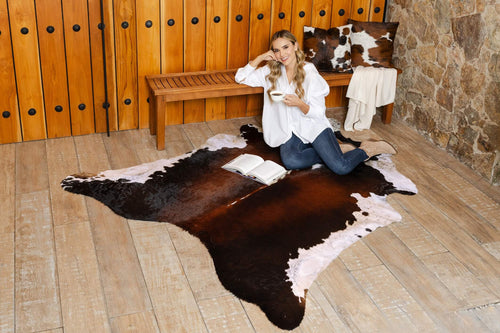
You know that feeling when you walk into a room and it just works? Everything flows, the energy's right, and you can't quite put your finger on what makes it special—but you feel it. That's the magic we're chasing in 2026, and let me tell you, Cowhide Interior Design Trends are about to shake things up in the best way possible.
I've been watching the design world shift and sway for years now, and this upcoming year? It's bringing something different. We're moving past the whisper-quiet neutrals and tiptoeing into bolder territory. Natural materials are having their moment—again, but this time with more personality. And Cowhides? They're not just that rustic accent your grandma had in her cabin anymore.
So what's driving these 2026 Interior Design Trends? Part of it's our collective exhaustion with the sterile, the predictable, the perfectly curated Instagram flat-lay aesthetic. We're craving texture, warmth, and materials that feel alive. We want our spaces to reflect who we actually are—messy, complex, beautiful humans—not some minimalist robot's idea of perfection.
Let's dive into what's coming, shall we?
Bold Color Blocking: How Vibrant Cowhides Are Replacing Neutral Palettes

Remember when every design blog was singing hymns to beige? Yeah, we're done with that chapter.
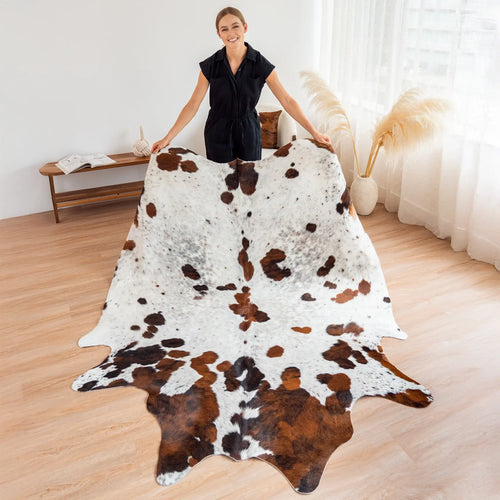
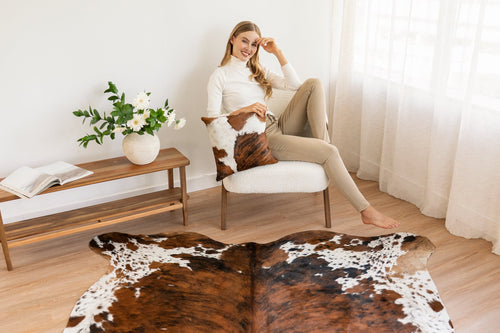
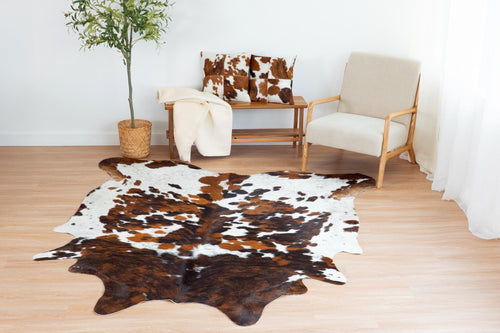
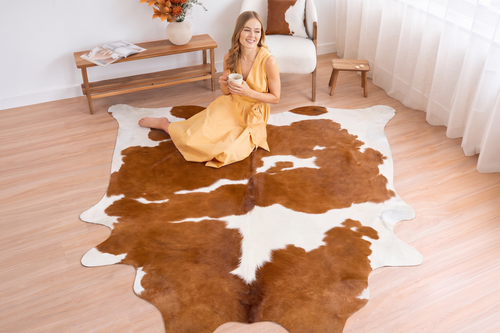
The Cowhide Patterns making waves in 2026 are anything but shy. We're talking Rich Chocolates paired with Creamy Whites, jet blacks with caramel undertones, and—here's where it gets fun—dyed and acid-washed hides in colors you wouldn't expect. Think deep emeralds, burnt oranges, even subtle blues that bring an unexpected pop without screaming for attention.
Here's what I love about this shift: it's not just about adding color for color's sake. It's strategic. Bold Color Cowhides are becoming the anchor pieces in rooms, the element that pulls everything together. You know how a great belt can make an outfit? Same principle.
Interior designer Marcus Chen recently told Architectural Digest, "Cowhide Rugs in unexpected colors are the punctuation marks of modern interior design. They don't just fill space—they define it."
When you're working with these vibrant pieces, placement matters. A Tricolor Cowhide can:
- Ground a seating area with intention
- Define zones in an open-concept space
- Add visual weight to balance out lighter furniture
- Create a focal point that guides the eye through the room
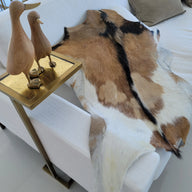
The Best Cowhide Rug Placement Ideas for this trend? Center them where they can breathe. Give them space to be the statement they're meant to be. Under a glass coffee table? Beautiful. In front of a neutral sofa? Chef's kiss. The key is letting the hide's natural pattern play against your furniture, not compete with it.
Sustainable Luxury Takes Center Stage: Why Eco-Conscious Shoppers Are Choosing Natural Cowhides

Now we need to talk about the elephant—or cow—in the room: sustainability.
I won't sugarcoat it. People are asking harder questions about where their décor comes from, and they should be. The beautiful truth about Natural Cowhide is that when sourced responsibly, it's one of the most sustainable materials you can bring into your home.
Think about it. These hides are byproducts of the food industry—they're going to exist regardless. The question is whether they end up in a landfill or transformed into something beautiful that'll last decades in your home. That's not just sustainable; that's circular economy in action.
Cowhide As A Sustainable Décor Material checks boxes that synthetic alternatives simply can't:
Natural Cowhide vs. Synthetic Materials
|
Feature |
Natural Cowhide |
Synthetic Alternatives |
|
Biodegradability |
Fully biodegradable |
Can take hundreds of years |
|
Durability |
20-30+ years with care |
1-2 years average |
|
Production Impact |
Byproduct utilization |
Petroleum-based manufacturing |
|
Unique Character |
Every piece one-of-a-kind |
Mass-produced uniformity |
|
Indoor Air Quality |
Natural material, no off-gassing |
May release VOCs |
Leather industry expert Dr. Sarah Martinez explains, "Quality Cowhide Products represent some of the most durable, long-lasting décor investments available. When properly cared for, they outlive synthetic alternatives by decades, drastically reducing long-term environmental impact."
The Eco-Friendly Cowhide Interior Products market is responding, too. Companies—like eCowhides—are getting transparent about their sourcing. They're showing you the tanneries, explaining the processes, proving that Sustainable Interior Materials don't have to mean compromising on quality or aesthetics.
And here's what's wild: consumers are willing to invest more upfront for pieces they know will last. That fast-fashion mentality we saw in home décor? It's fading. People want heirlooms, not disposables.
When you're shopping for Cowhide Rugs, ask questions:
- Where does this hide come from?
- What's the tanning process?
- How is the facility regulated?
- What's the expected lifespan?
Reputable sellers won't just answer—they'll appreciate that you asked.
Maximalism Makes a Comeback: Mixing Patterns and Textures with Cowhide Rugs

Confession time: I never really bought into the whole "less is more" thing. Sometimes more is more, and that's perfectly fine.
2026 is the year maximalism struts back into the room wearing leopard print and carrying a velvet cushion. And Cowhide Décor For Boho Chic Interiors is leading the charge.
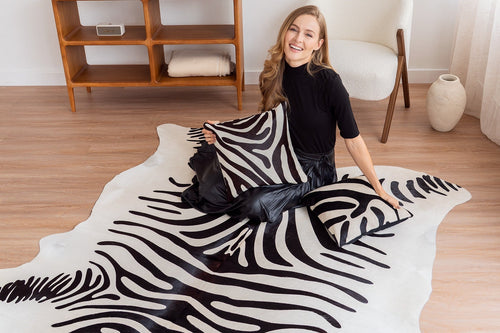
The new maximalism isn't about chaos—it's about intentional abundance. It's Layering Cowhide With Textiles in ways that feel rich and collected rather than cluttered. Picture this: a Classic Black and White Cowhide layered over a vintage Persian rug, flanked by a leather ottoman and linen curtains. It shouldn't work, but somehow it absolutely does.
Mixing Cowhide With Contemporary Design means breaking some old rules:
- Forget matching. Coordinating is where it's at.
- Embrace pattern clash. A Speckled Cowhide next to Striped Pillows? Why not.
- Layer, layer, layer. Rugs on rugs, textures on textures.
- Mix price points. That thrift store find next to your investment cowhide adds character.
The trick to pulling off this look is having an anchor—and Modern Cowhide Accents are perfect for this role. Their organic patterns provide visual interest without being too busy, grounding bolder choices around them.
I've seen rooms where designers paired Cowhide Patterns with:
- Geometric wallpaper
- Tribal-print textiles
- Velvet furniture in jewel tones
- Mixed metal accents
- Carved wood elements
Does it sound like a lot? Sure. Does it work? Absolutely, when there's a thread connecting everything—usually a cohesive color story or repeated material element.
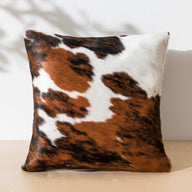
And for those worried about overdoing it? Start small. Add a Cowhide Throw Pillow to your existing setup. Introduce a Small Hide as wall art. Test the waters before diving into that floor-to-ceiling cowhide accent wall (yes, that's a thing now, and we'll get to it).
From Floor to Wall: Unexpected Ways Designers Are Using Cowhide in 2026

Speaking of walls—let's talk about how Cowhide Wall Art and Cowhide Furniture Trends 2026 are literally elevating this material to new heights.
The floor? That's amateur hour now.
Progressive designers are mounting Cowhides as tapestries, creating stunning focal points that add texture without overwhelming square footage. I've seen them framed behind acrylic, stretched across canvas backing, even quilted into larger installations that look like abstract art.
Cowhide Wall Hanging Ideas include:
- The Gallery Wall Integration – Mix a small hide with photos and art
- The Statement Piece – One large hide, beautifully mounted, end of story
- The Headboard Alternative – Mounted horizontally behind the bed
- The Room Divider – Multiple hides suspended from ceiling tracks
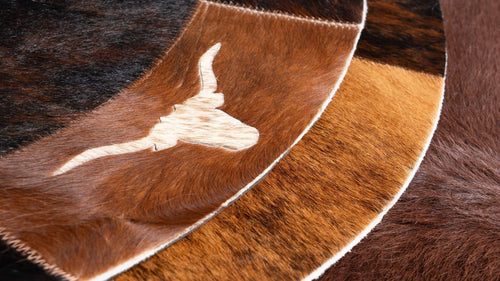
- The Upholstered Panel – Hides stretched over frames for architectural interest
But it doesn't stop at walls. Cowhide Furniture is having a renaissance. We're seeing:
- Dining chairs upholstered in contrasting hide patterns
- Ottoman cubes that double as art pieces
- Desk accessories (mouse pads, anyone?)
- Cabinet doors with hide insets
- Bench cushions that tell a story
Renowned interior stylist James Wu notes, "The versatility of cowhide in 2026 interiors is unprecedented. We're seeing applications that would have seemed radical five years ago become mainstream design solutions."
Just remember: when you're mounting cowhides, treat them with respect. Use proper hanging systems. Consider UV protection if they're near windows. These pieces deserve to be preserved.
The New Organic Modern: Pairing Cowhides with Biophilic Design Elements

Alright, let's talk about the design movement that's absolutely taking over: biophilic design.
Fancy term, simple concept—bringing nature indoors. And nothing says "nature" quite like a genuine cowhide.
The New Organic Modern aesthetic is all about blurring the lines between interior and exterior spaces. It's plants, yes, but it's also natural materials, earth tones, organic shapes, and textures that feel alive. Natural Cowhide fits this philosophy like it was designed for it (because, well, nature did design it).
Pairing cowhides with biophilic elements creates spaces that feel both sophisticated and grounding:
- With living walls: The hide's neutral tones complement greenery beautifully
- Alongside natural wood: Raw edge tables + cowhide = texture heaven
- Near water features: The organic feel carries through
- With stone accents: Both materials tell geological stories
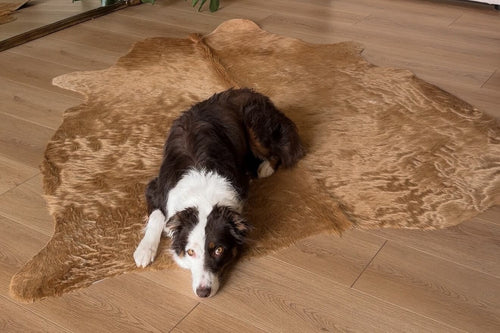
- Under natural light: Cowhides shift and shimmer as light changes throughout the day
This is where understanding Natural Vs Faux Cowhide Differences becomes crucial. Synthetic versions lack the subtle variations and responsive qualities that make natural hides work so well in biophilic spaces. They don't age gracefully, develop patina, or interact with light the same way.
Creating these spaces isn't about following a formula—it's about listening to what feels right. I always tell people: if it feels like it could exist in nature, even in some alternate universe, you're on the right track.
Elements of Organic Modern Cowhide Design
|
Element |
Purpose |
Cowhide Application |
|
Natural Light |
Connects to outdoors |
Position hides where sunlight highlights patterns |
|
Living Plants |
Brings life indoors |
Use cowhides to ground plant arrangements |
|
Raw Materials |
Authentic texture |
Layer hide with wood, stone, linen |
|
Earthy Colors |
Grounding palette |
Choose hides in browns, tans, natural tones |
|
Organic Shapes |
Flows like nature |
Let hide's irregular shape define space |
The Luxury Cowhide Interior Décor market has caught on to this trend, offering pieces specifically tanned and finished to enhance their natural characteristics rather than mask them. You want to see those grain variations, the way the hair catches light differently across the surface. That's not imperfection—that's authenticity.
And here's something I love: this trend is incredibly forgiving. There's no "wrong" way to incorporate natural materials. If it feels good to you, if it makes your space more comfortable and connected, you're doing it right.
FAQ: New Year's Edition

What Are The Top Cowhide Interior Design Trends In 2026?
The biggest trends we're seeing include bold color blocking with Vibrant Cowhides, sustainable sourcing becoming non-negotiable, maximalist pattern mixing, vertical applications on walls and furniture, and integration with biophilic design elements. Natural materials are having their moment, and cowhides are at the forefront.
How Can I Incorporate Cowhide Into Modern Interiors Without It Feeling Dated?
Keep it contemporary by focusing on clean lines and letting the hide be a textural accent rather than the theme. Pair Modern Cowhide Accents with sleek furniture, avoid rustic overload, and consider unexpected applications like wall art or furniture upholstery. The key is balance—one stunning piece can elevate an entire room.
Are Cowhide Rugs Sustainable And Eco-Friendly?
When sourced responsibly, absolutely. Natural cowhides are byproducts of the food industry, making them an example of circular economy practices. They're biodegradable, incredibly durable (lasting 20-30+ years with proper care), and don't require the petroleum-based manufacturing of synthetics. Always ask sellers about their sourcing practices.
What Interior Styles Pair Best With Cowhide Décor?
Cowhides are remarkably versatile. They work beautifully in minimalist spaces as singular statement pieces, bohemian interiors for their eclectic vibe, organic modern designs for their natural authenticity, contemporary settings for textural contrast, and even traditional spaces when styled thoughtfully. The hide's neutral nature makes it adaptable.
Can Cowhide Be Used On Walls And Furniture In Addition To Rugs?
Absolutely! Cowhide Wall Art is trending hard in 2026. We're seeing hides mounted as tapestries, used as headboard alternatives, incorporated into upholstered furniture, and even as cabinet door insets. The versatility is part of what makes them such smart investments.
What Cowhide Colors And Finishes Are Trending In 2026?
Natural Browns, Brindles, and Solid Blacks remain classics, but we're seeing a surge in Dyed Hides—emeralds, burnt oranges, subtle blues. Metallic Finishes are also gaining traction. The trend is toward pieces that make statements while remaining sophisticated.
How Do I Properly Clean And Maintain Cowhide Products?
Keep it simple. Regular vacuuming or shaking removes dirt. For spills, blot immediately with a clean, damp cloth—don't rub. For deeper cleaning, use a damp cloth with mild soap, working with the hair direction. Avoid harsh chemicals, excessive water, and direct heat. How To Clean And Maintain Cowhide Rugs properly means treating them gently and consistently.
Are There Ethical Or Sustainable Alternatives To Natural Cowhide?
While faux options exist, they're typically petroleum-based and less durable. The most sustainable choice is actually responsibly-sourced natural cowhide because it's a byproduct, biodegradable, and lasts decades. If ethics are your concern, focus on transparent sellers who can verify their sourcing and tanning practices.
How Can Cowhide Be Layered With Other Textures Like Leather, Wood, And Metal?
Layering creates depth and interest. Pair cowhides with smooth leather furniture for tonal variation, rough wood for contrast, linen for softness, and mixed metals for shine. The organic nature of cowhide plays well with both warm and cool materials. Start with one or two additional textures and build from there.
Your Space, Reimagined: The Cowhide Revolution Starts Now

So here we are, standing at the edge of 2026 with Cowhide Interior Design Trends that are bolder, more sustainable, and infinitely more interesting than what we've seen before.
What I love most about where we're heading is the permission it gives us to be authentic. To choose pieces that matter, that last, that tell stories. Natural Cowhide represents all of that—it's nature's artwork, no two pieces alike, each one carrying its own character into your home.
These Sustainable Interior Materials we've talked about aren't just passing fads. They're the foundation of how we'll design homes for decades to come. And the cowhide—this ancient material that humans have valued for centuries—is proving it still has plenty to teach us about beauty, durability, and connection to the natural world.
Whether you're ready to dive into Bold Color Blocking, embrace the Maximalist Movement, or simply add an Unique Perfect Piece to your minimalist sanctuary, there's never been a better time to explore what cowhides can do for your space.
My advice? Start somewhere. Visit eCowhides.com and find a piece that speaks to you. Don't overthink it—trust your instincts. These materials have been working their magic in human spaces since before interior design was even a concept. Your home knows what it needs.
Here's to 2026 and the spaces we'll create. May they be bold, sustainable, and undeniably you.