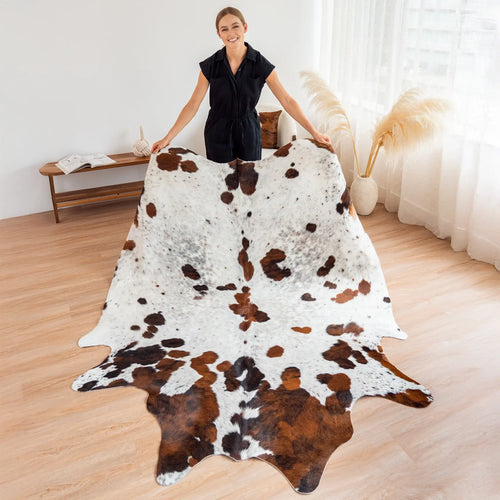
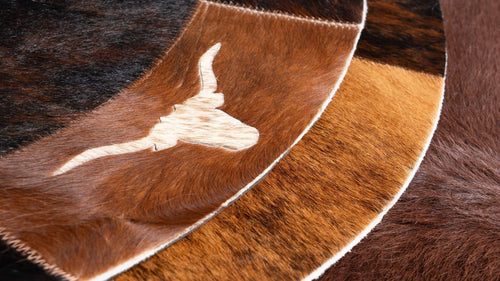
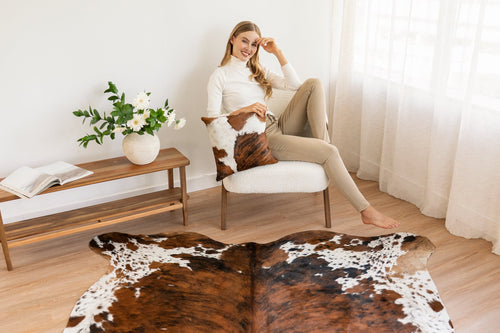
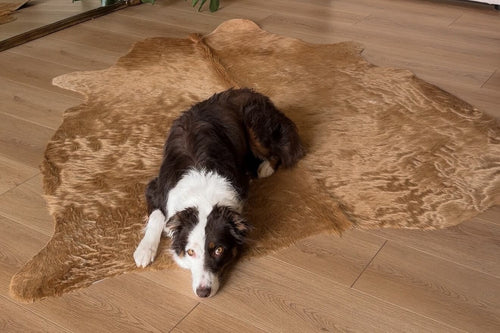
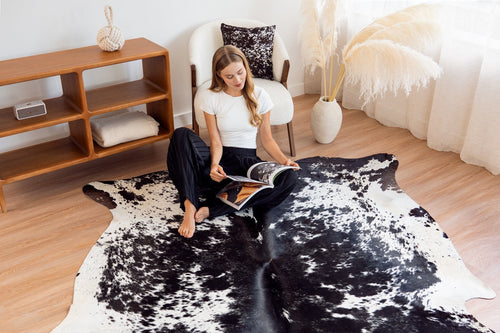
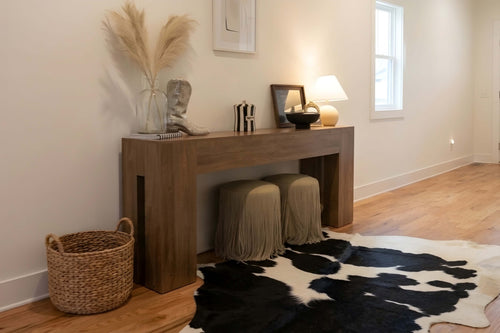
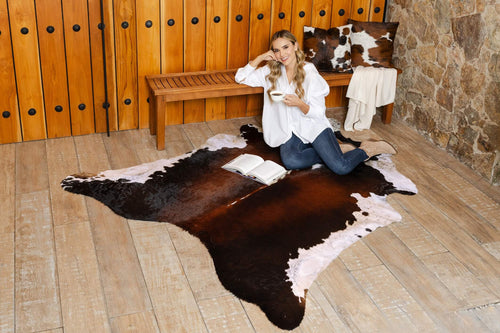
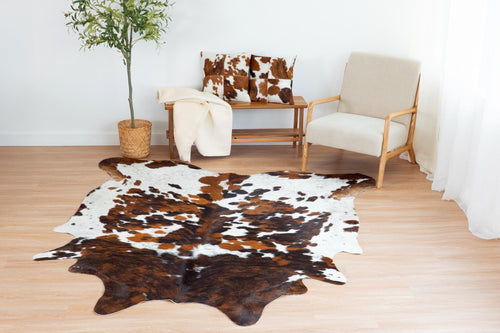
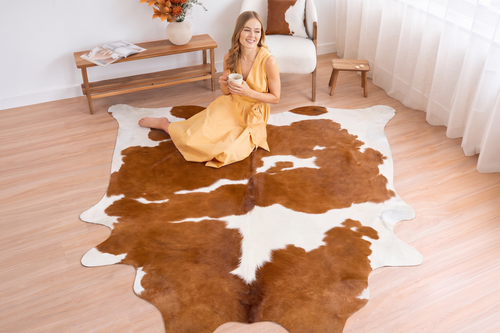
You walk into a beautifully designed living room, and there it is—a Gorgeous Cowhide Rug sprawled elegantly across the floor, instantly transforming the entire space from ordinary to extraordinary. Whether you're working with gleaming Hardwood Floors, practical tile surfaces, or plush Carpet, the right cowhide placement can be the difference between a room that whispers sophistication and one that absolutely sings it.
But here's where many homeowners get tripped up (sometimes literally). They fall in love with a stunning cowhide piece, bring it home, and then stare at it wondering, "Now what?" The truth is, Cowhide Placement isn't just about dropping a beautiful hide wherever there's space—it's an art form that requires understanding your flooring, your lifestyle, and your design vision.
Today, we're diving deep into the nitty-gritty of how to make your Cowhide Rug work beautifully with any flooring type, because every floor deserves to look fabulous.
Cowhide Rugs for Every Room

Let's start with the fundamentals, shall we? Cowhide Rugs aren't just for rustic ranch houses anymore—these versatile beauties have evolved into sophisticated design elements that can complement everything from minimalist modern lofts to cozy traditional homes.
The magic of a Natural Cowhide Rug lies in its chameleon-like ability to adapt. In your living room, it might serve as a stunning focal point beneath your coffee table. In the bedroom, it could add that perfect touch of organic luxury beside your bed. And yes, even in kitchens and bathrooms, the right cowhide can work wonders when properly placed and protected.
What I love most about working with Hair-on Hide is their forgiving nature. Unlike synthetic rugs that can look out of place if not perfectly positioned, Cowhides have this wonderful organic quality that makes them feel naturally at home almost anywhere you place them. Still, there are definitely some best practices that'll help you maximize their impact.
Is a Cowhide Rug Good on Hardwood Floors?

Oh, absolutely! Cowhide Rugs and Hardwood Floors make one of the most stunning combinations in interior design. There's something almost poetic about the way the organic curves and natural patterns of a cowhide contrast against the clean, linear beauty of wood planks.
Here's what makes this pairing so special: hardwood provides the perfect neutral backdrop that allows your Cowhide Rugs' unique patterns and colors to truly shine. Whether you're working with rich mahogany, warm oak, or trendy gray-washed floors, a well-chosen cowhide adds texture, warmth, and visual interest without overwhelming the space.
However, you'll want to consider a few key factors:
Protection is your friend. While Leather Rugs won't damage your hardwood, a Quality Rug Pad can provide extra cushioning and help prevent any minor shifting that might occur over time. Think of it as insurance for both your floors and your investment.
Size matters tremendously. On hardwood, you have more flexibility with sizing than on other flooring types. A large cowhide can anchor an entire seating area, while smaller pieces can define specific zones within larger rooms. The key is ensuring your rug feels intentional, not randomly placed.
One of my favorite tricks for Cowhide Rug Hardwood Floors combinations is playing with the wood grain direction. If your planks run horizontally, consider placing your rug at a slight angle to create visual dynamism. It's these little details that separate good placement from great placement.
How to Place a Cowhide Rug on a Carpet?

Now here's where things get interesting. Cowhide Rug on Carpet might sound counterintuitive at first—after all, aren't you just putting one rug on top of another? But when done thoughtfully, this layering technique can create incredible depth and visual richness in your space.
The secret lies in understanding contrast and texture. Carpet provides a soft, uniform foundation, while Natural Cowhide brings organic shape, natural variation, and tactile interest. It's like adding a beautiful piece of artwork to your floor.
Here's how to nail the placement:
Choose your carpet wisely. Low-pile carpets work best for this layering approach. Think commercial-grade Berber, tight weaves, or even indoor-outdoor carpets. High-pile or shag carpets can swallow your cowhide's impact and make the whole arrangement feel unstable.
Size relationships are crucial. Your Cowhide Rug should feel substantial enough to make a statement but not so large that it covers most of your carpet. A good rule of thumb is ensuring at least 12-18 inches of carpet remains visible around the edges of your cowhide.
Secure the placement. This is where a Quality Rug Pad for Cowhide becomes essential. You'll want something specifically designed for rug-on-rug applications—something that grips both surfaces without being too thick or cumbersome.
I particularly love using this technique in bedrooms where you want the comfort of carpet underfoot but crave that organic, natural element that only a Cowhide Rug can provide.
Tips to Keep Your Cowhide Rug from Slipping

Let's talk about every homeowner's nemesis: Cowhide Rug Slipping. Nothing ruins the elegant ambiance of a well-placed cowhide quite like watching it slide across your floor when someone walks near it. But don't worry—I've got you covered with some tried-and-true solutions.
The Rug Pad Solution
This is your first line of defense, and honestly, it should be non-negotiable. A Quality Rug Pad for Cowhide does more than just prevent slipping—it protects your floors, extends your rug's life, and adds cushioning that makes walking on your Cowhide Rug even more luxurious.
But not all rug pads are created equal. Here's what to look for:
- Natural rubber backing for grip without floor damage
- Breathable materials that won't trap moisture
- Appropriate thickness—usually ¼ to ½ inch works best
- Proper sizing—your pad should be slightly smaller than your rug
DIY Prevention Tricks
Sometimes you need quick solutions. Here are a few professional tricks:
Furniture anchoring: Strategically place furniture legs partially on your cowhide's edges. A coffee table leg here, a chair leg there—it's subtle but effective.
Double-sided tape: Use furniture-grade tape sparingly along the edges. Just remember to test it in an inconspicuous area first.
Velcro strips: For carpet applications, small Velcro strips can work wonders without being visible.
Layering Cowhide Rugs on Tile: Design Ideas
Cowhide Rug on Tile combinations offer some of the most exciting design possibilities, but they also present unique challenges. Tile floors are often found in kitchens, bathrooms, entryways, and modern living spaces—each requiring different placement strategies.
The Beauty of Contrast
Tile's geometric precision creates a stunning backdrop for cowhide's organic irregularity. Whether you're working with classic subway tile, modern large-format porcelain, or rustic terracotta, the contrast between manufactured perfection and natural beauty is simply striking.
Kitchen Applications
Cowhide Rugs for Kitchens with Tile can work beautifully when done thoughtfully. Consider placement in front of your kitchen island, defining your breakfast nook area, or creating a cozy spot in larger open-plan kitchens. Just remember that they will need extra protection from spills and splashes.
Bathroom Luxury
Yes, you can use Hair-on Hide in bathrooms! The key is choosing the right placement—away from direct water spray but where they can add warmth and luxury to your morning routine.
Design Ideas That Work
Angular contrast: Place your rug at a 45-degree angle to your tile lines. It creates visual dynamism and prevents the space from feeling too rigid.
Zone definition: Use Cowhide Rugs to define different areas within larger tiled spaces. Think conversation areas in great rooms or reading nooks in bedrooms with tile floors.
Size and Scale Considerations
|
Tile Type |
Best Cowhide Pattern |
Placement Strategy |
|
Large Format Solid |
Bold patterns, exotic colors |
Central placement, full pattern display |
|
Small Mosaic |
Simple patterns, natural colors |
Strategic placement to avoid pattern clash |
|
Geometric Patterns |
Solid or simple speckled |
Angle placement for contrast |
|
Natural Stone |
Any pattern works |
Consider color harmony with stone tones |
FAQ: Room by Room Edition

Can I Place a Cowhide Rug Directly on My Hardwood Floors?
Absolutely! Cowhide Rugs are actually ideal for hardwood floors. The natural hide won't scratch or damage your floors like some synthetic materials might. However, I always recommend using a quality rug pad underneath for extra protection and to prevent any shifting. It's like wearing a belt with suspenders—better safe than sorry, and your floors will thank you.
Do Cowhide Rugs Work Well on Carpet, and How Should I Place Them?
This combination can create stunning layered looks when done right. The key is choosing low-pile carpet as your base and ensuring your Cowhide Rug is large enough to make a statement. Position it so there's at least 12-18 inches of carpet visible around the edges. Think of it as creating a frame for your beautiful natural artwork.
How Do I Prevent a Cowhide Rug from Slipping on Tile or Laminate Floors?
Slippery floors are the nemesis of beautiful rug placement! For tile and laminate, invest in a high-quality rug pad with strong grip properties. Natural rubber pads work wonderfully, and for extra security, consider furniture placement that partially anchors your rug's corners.
What Kind of Rug Pad Is Best to Use with a Cowhide Rug?
Look for natural rubber pads with breathable backing—they provide excellent grip without damaging floors or trapping moisture. The thickness should be about ¼ to ½ inch, and the pad should be cut slightly smaller than your Cowhide Rug to remain invisible from all angles.
Can a Cowhide Rug Be Layered Over an Existing Area Rug?
Yes, and it can look absolutely stunning! Layering Cowhide Rugs over existing Rugs adds incredible texture and visual interest. Just ensure the bottom rug has a low profile and the colors complement each other. It's like creating a beautiful textile sandwich.
How Do I Style a Cowhide Rug in a Room with Tile Flooring?
Cowhide Rug on Tile styling is all about embracing contrast. The geometric precision of tile makes the organic shapes pop beautifully. Try angling your placement to create visual dynamism, or use the rug to define specific zones within larger tiled areas.
Can Cowhide Rugs Withstand High-Traffic Areas Regardless of the Floor Type?
Quality Cowhide Rugs are surprisingly durable and can handle reasonable foot traffic on any floor type. The key is proper placement and maintenance. In truly high-traffic areas, consider using furniture placement to protect the most walked-on sections, and rotate your rug occasionally for even wear.
Your Home, Your Cowhide, Your Perfect Placement

Choosing and placing your Cowhide Rug isn't just about following rules—it's about creating a space that feels authentically yours. Whether you're working with gleaming hardwood, practical tile, or cozy carpet, the right cowhide placement can transform your room from simply furnished to truly designed.
Remember, every home tells a story, and your Cowhide Rug should be a chapter that feels natural and intentional. Don't be afraid to experiment with different placements before committing. Live with it for a few days, walk around it, see how it feels in different lighting throughout the day.
The beauty of Natural Cowhide Rugs lies in their uniqueness—no two are exactly alike, just like no two homes are exactly alike. Embrace that individuality, trust your instincts, and don't overthink it. Sometimes the best placement is simply the one that makes you smile every time you walk into the room.
Ready to find your perfect cowhide? Your floors are waiting, and trust me, they're going to look absolutely stunning together.