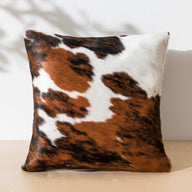
You know that feeling when you bring home something beautiful—maybe it's a vintage leather jacket or a handcrafted piece of furniture—and you're convinced it'll stay perfect forever? Yeah, I had that same innocent optimism about my first Cowhide Rug. Bought it on a whim after seeing it transform a friend's living room from "college apartment chic" to something you'd actually want to photograph. Fast forward three months, and the edges were doing this weird taco-shell impression while random patches looked like my uncle's hairline after his fortieth birthday.
Here's the thing though: these complaints aren't signs that you got a lemon. They're just part of owning a natural product that, well, acts naturally. And honestly? Most of these issues have fixes so simple you'll wonder why you were stressing in the first place.
Let me walk you through the most common Cowhide Rug problems—the curling, the shedding, the whole nine yards—and show you exactly how to handle them without losing your mind or your investment.
The Reverse-Roll Method: Flattening Curls with Heavy Objects (The Right Way)

Those curled edges aren't your rug throwing a tantrum. They're actually the hide's memory trying to return to its original shape before tanning and stretching. Think of it like your hair after you take out a ponytail—it keeps the shape until you convince it otherwise.
The reverse-roll technique is your best friend here, and it's beautifully straightforward. Roll your rug in the opposite direction of the curl—like you're showing it who's boss, but gently. Leave it rolled up tight for 24 to 48 hours. When you unroll it, those edges should be significantly more cooperative.
Still acting stubborn? Time for the heavy artillery. I'm talking coffee table books (the oversized ones you bought but never read), weighted objects, or even that cast-iron skillet you swear you'll use for homemade cornbread. Place these along the curling edges and let gravity do its thing for a few days.
"Natural hides retain cellular memory," explains leather conservator Margaret Thompson. "Patience and consistent pressure work far better than forced interventions that can damage the fiber structure."
One quick warning: never use a steam iron directly on your Cowhide Rug. I know it's tempting when you're impatient, but steam can mess with the natural oils, cause discoloration, and potentially weaken the hide's integrity. If you're absolutely determined to speed things up, place a thick cotton towel over the problem area and use the iron on the lowest setting—no steam—for just a few seconds at a time. But honestly? The heavy object method is safer and just as effective if you're willing to wait it out.
Rotation Strategy: Preventing Uneven Wear from Foot Traffic Patterns

Here's something I learned the hard way: we're all creatures of habit. We walk the same paths through our homes every single day, wearing down the exact same spots on our rugs like we're carving rivers through stone. My Cowhide Rug had this one patch near the sofa that looked noticeably flatter than the rest because—you guessed it—that's exactly where I walked every time I reached for the remote.
The fix? Rotate your rug every three to four months. Mark your calendar, set a reminder, tie a string around your finger—whatever works for your memory style. A 180-degree rotation ensures that high-traffic areas get a break while previously protected sections take their turn in the spotlight.
Here's a simple rotation schedule:
|
Month |
Action |
Why It Matters |
|
January |
Rotate 180° |
Redistributes wear after holiday foot traffic |
|
April |
Rotate 180° |
Prevents spring cleaning-related wear patterns |
|
July |
Rotate 180° |
Balances summer activity zones |
|
October |
Rotate 180° |
Prepares rug for holiday season traffic |
If your rug sits under heavy furniture—and let's be real, most of ours do—move those pieces slightly when you rotate. This prevents permanent compression marks that can make your hide look like it's developing saddle bags.
And about that furniture: felt pads are your best friend. They distribute weight more evenly and prevent those tell-tale dents that make your rug look like it's been through a war. I learned this after my dining room chair left what I can only describe as a constellation of permanent dimples in an otherwise pristine hide.
Hair Shedding vs. Normal Texture: When to Worry and When to Relax

Okay, let's talk about the shedding situation because this one causes the most panic. You're vacuuming your Cowhide Rug and suddenly there's a few loose hairs, and you're convinced you've purchased the world's most expensive lint roller trap.
Take a breath. High-quality Cowhide Rugs shouldn't shed much at all. You might find a stray hair or two during vacuuming—think of it like finding a single hair on your pillow in the morning. That's normal. But if you're dealing with constant shedding or noticeable hair loss, something's actually wrong.
What minimal, normal shedding looks like:
- A few loose hairs (we're talking 3-5 hairs) when you first unroll your new rug
- Occasional single hairs during regular vacuuming
- That's basically it
What's NOT normal and needs attention:
- Bald patches appearing suddenly: This could indicate moth damage, improper storage, or a manufacturing defect
- Hair coming out in clumps: Definitely not normal and usually points to poor tanning or environmental damage
- Thinning along edges or seams: Often caused by excessive friction from furniture or foot traffic
- Musty smell accompanying hair loss: Potential moisture damage or mildew issues
"A quality cowhide should maintain its hair density throughout its lifetime," notes hide specialist James Morrison. "Significant shedding typically indicates either environmental stressors or manufacturing defects in the tanning process."
If your Cowhide Rug is genuinely shedding like a golden retriever in summer, that's your sign that either the rug wasn't properly tanned or something in your environment is damaging it. A well-made hide should stay thick and luxurious for years without leaving hair tumbleweeds around your house.
Got a Vintage Cowhide Rug with an actual bald spot that's bothering you? Professional Cowhide Rug restoration services can sometimes patch or blend these areas, though honestly, I've learned to embrace these imperfections as character marks. They tell a story.
Humidity Control: Why Bathrooms and Basements Are Cowhide Enemies

I once visited a friend who had proudly placed their Gorgeous Cowhide Rug in their bathroom. It looked stunning for about a month before developing this weird, wavy texture and a smell that can only be described as "wet dog meets vintage store." The lesson? Cowhide rugs are incredibly durable, but they're not designed for consistently wet or humid environments.
Think of it this way: you wouldn't put a silk blouse in a steam room, right? It's about choosing the right spot for the material. Leather naturally responds to moisture in the air—absorbing it when humidity is high and releasing it when it's low. In most living spaces, this isn't an issue at all. But in consistently damp areas, that moisture absorption can lead to warping, curling, and even mold growth.
The ideal spots for your Cowhide Rug:
- Living rooms, bedrooms, home offices, and dining areas
- Well-ventilated spaces with consistent airflow
- Areas with indoor humidity between 30-60%
Places to avoid:
- Bathrooms (especially near showers or tubs)
- Laundry rooms or mudrooms with poor ventilation
- Unfinished basements with moisture issues
- Directly on cold concrete floors where condensation forms
- Covered porches or sunrooms without climate control
If you want to monitor your home's humidity, an inexpensive hygrometer can help—but honestly, if your space feels comfortable for you, it's probably fine for your rug. The key is avoiding obviously damp spots.
One more storage tip: don't roll up your Cowhide Rug and tuck it away in a humid garage or basement. Store it in a climate-controlled space, preferably flat or loosely rolled with breathable fabric around it. Treat it like you'd treat any quality leather item—with a little common sense and respect for what it is.
Sunlight Fading Prevention: UV Protection Without Sacrificing Natural Light

Here's a conversation I never thought I'd have: explaining to my mother why her beautiful Hereford Cowhide Rug had developed this weird orange-ish tint near the window. The culprit? UV rays doing their slow, steady work of breaking down the natural pigments in the hide.
Direct sunlight is like that friend who seems fun at first but slowly reveals themselves to be kind of destructive. It doesn't just fade the color—it can make the leather brittle, cause cracking, and generally age your rug about five times faster than it should.
"UV radiation breaks down the protein bonds in leather," explains materials scientist Dr. Rachel Winters. "The damage is cumulative and irreversible, which is why prevention is crucial."
But here's the good news: You don't have to live in a cave to protect your investment.
UV protection strategies:
- Window treatments: Sheer curtains or UV-filtering window film block harmful rays while maintaining natural light
- Strategic placement: Keep rugs at least 3-4 feet away from south-facing windows
- Rotation (again): Moving your rug every few months prevents one area from bearing the brunt of sun exposure
- Furniture placement: Use sofas, chairs, or plants to create shade barriers during peak sun hours
And if you're buying a New Cowhide Rug? Consider going with darker colors for sun-exposed rooms. They hide fading better than lighter shades, which can start looking patchy when the sun does its thing.
FAQ: Complaints Edition

What To Do If The Edges Of My Cowhide Rug Curl Upward?
Use the reverse-roll method with heavy objects for 48 hours, and avoid placing rugs near heat sources that accelerate curling.
Can I Use A Steam Iron To Flatten A Curled Cowhide Rug?
Not directly, no. Steam can damage the natural oils and cause discoloration. If you must, place a thick cotton towel over the area and use the lowest heat setting without steam for brief intervals. Heavy objects work better and safer.
What Causes A Cowhide Rug To Shed Or Lose Hair In Specific Patches?
Patchy hair loss usually stems from excessive friction, moth damage, or manufacturing defects in the tanning process. Some initial shedding is normal, but bald spots warrant investigation and potentially professional restoration.
Is It Normal For A Natural Cowhide Rug To Have A Slight Odor When First Unrolled?
Absolutely normal. Natural hides carry a mild leather scent initially. Air it out for a few days in a well-ventilated space. If the smell persists beyond a week or smells musty, you might have a moisture issue.
How Do I Fix A "Balding" Spot On My Vintage Cowhide Rug?
Minor spots can sometimes be brushed and conditioned to blend better. Significant balding requires professional restoration where specialists can patch or blend the damaged area with matching hide.
Will Direct Sunlight Cause The Hide To Become Brittle And Crack Over Time?
Yes, UV radiation breaks down protein bonds in leather, leading to fading, brittleness, and cracking. Use UV-filtering window treatments and rotate your rug regularly to minimize sun exposure.
How Often Should I Rotate My Rug To Prevent Uneven Wear And Hair Loss?
Every three to four months is ideal. This redistributes foot traffic wear and prevents permanent compression marks from furniture, keeping your rug looking consistently beautiful.
What Is The Best Non-Slip Pad To Prevent A Rug From Bunching And Curling?
Look for natural rubber or felt pads designed specifically for leather rugs. Avoid adhesive-backed options that can damage the hide. The pad should be slightly smaller than your rug for best results.
Can I Apply Leather Conditioner To The Underside Of The Rug To Restore Its Flexibility?
Yes, but sparingly. Use a conditioner specifically formulated for natural hides, test it first on a small area, and apply thin coats to the leather backing. This helps restore moisture and prevent cracking.
Your Cowhide Rug Deserves Better Than Panic

Look, I get it. You spent good money on something that's supposed to elevate your space, and the good news is: Cowhide Rugs are actually one of the most low-maintenance flooring options out there. Seriously. No professional cleaning, no special shampoos, no constant upkeep like traditional rugs demand.
But because they're natural rather than synthetic, they do have a few quirks worth knowing about—not problems, just characteristics of working with real materials.
That initial curling edge on a new rug? Completely temporary. Give it time under some books and it'll flatten out. Those few loose hairs you might find in the first week? Just like any natural fiber settling in. A slight color shift developing near a sunny window? Easy fix—just rotate it every few months like you would any quality rug.
Here's what makes cowhide special: it's naturally stain-resistant, dirt-repellent, and incredibly durable. You're not committing to a high-maintenance relationship here. You're investing in something that actually gets easier to live with over time, not harder.
The Beauty of Natural Cowhide is exactly that—it's natural. It adapts to your space, develops character, and lasts for decades without demanding constant attention. Some subtle variation in texture, the occasional five-minute fix, these aren't flaws. They're reminders that you chose something real over synthetic uniformity.
At eCowhides, we've been in this business long enough to know that Cowhide Rug Care isn't rocket science. It's actually refreshingly simple compared to maintaining traditional rugs, hardwood floors, or carpet.
So enjoy your stunning rug without the stress. It's tougher and more forgiving than you think—and that's exactly why it'll still look great years from now.