Let me tell you about the rug that lived in my entryway for three years before I replaced it. It was a mid-range wool blend — not cheap, not designer — and by month eighteen it looked like it had been through a small war. Flattened in the middle from foot traffic. A stain near the door that never fully came out despite three different cleaning attempts. Edges that had started to fray in a way that looked sad rather than lived-in.
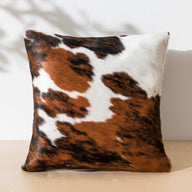
I replaced it with a Brindle Cowhide Rug. That was two years ago. It still looks like I brought it home last month.
High-traffic zones are where rugs go to die — unless you choose the right material from the start. Cowhide Rugs are built for exactly this context, and the reasons go deeper than most people realize before they buy one. Here's the full picture.
The Problem With Most Rugs in Busy Spaces (And Why They Fail)

The failure modes of conventional rugs in high-traffic areas are predictable — and almost universal. Once you know what to look for, you start seeing them everywhere.
Fiber compression. Woven rugs — wool, polypropylene, nylon, cotton — are made of fibers that get flattened under repeated foot traffic. The pile compresses, the texture disappears, and what was once a lush surface becomes a thin, matted version of its former self. The middle of the rug — where everyone walks — goes flat first, creating an obvious worn channel that no amount of vacuuming can restore.
Trapped allergens and odors. Fiber construction creates the perfect environment for dust, pet dander, pollen, and bacteria to embed themselves deep in the pile — past the surface, past where vacuuming reaches. Carpet Allergies are a documented health concern, and the Indoor Environmental Quality Research on this is clear: soft fiber floor coverings in high-traffic zones accumulate biological material that affects air quality over time.
Stain permanence. Porous fiber construction means spills soak in — fast. Coffee, wine, pet accidents, tracked-in mud — once they're in the fiber, they're competing with the dye for ownership of that space. You can manage some stains. You can't fully reverse them. And the Environmental Impact of Carpet Cleaning Chemicals required to fight them is its own problem.
Material degradation. Synthetic rugs — polypropylene, polyester — are manufactured from petroleum-based fibers that off-gas VOCs and shed microplastics with wear. They also degrade under UV exposure, losing color and structural integrity in ways that accelerate in high-traffic zones. The full case against synthetic floor coverings is made well in the Rug Materials to Avoid guide.
The pattern is consistent: most rugs are designed for rooms where they look good, not for rooms where they work hard. High-traffic areas expose that gap immediately.
"The single most common mistake I see in residential design is putting a fiber rug in a high-traffic zone because it photographs well. It photographs well for about six months. After that you're looking at replacement costs and a rug that's actually making the air quality in your home worse." — Marcus Webb, Principal Designer, Webb Interiors, Atlanta GA
What Makes Cowhide the Toughest Natural Floor Covering Available

The performance advantages of cowhide in high-traffic areas aren't marketing claims — they're material properties. Understanding them helps you make a purchase decision you won't second-guess in two years.
Non-porous surface. This is the most important structural difference between cowhide and every fiber alternative. The hair-on-hide surface of a genuine cowhide rug doesn't absorb liquid — it repels it. Spills bead and sit on the surface rather than soaking in, which means you have a real window to clean them before they set. No fiber rug can make that claim.
Compression resistance. The dense, tightly packed hair fibers of a natural hide don't flatten under foot traffic the way woven pile does. The structure of the hair — each follicle anchored in the leather backing — maintains its integrity under repeated compression. A Genuine Cowhide Rug in an entryway looks the same after two years of daily foot traffic as it did on arrival.
Natural hypoallergenic properties. Cowhide doesn't trap dust mites, pet dander, or pollen the way fiber rugs do. The non-porous surface doesn't provide the embedded environment that allergens need to accumulate. For households with allergy sufferers, this is a significant functional advantage — and eCowhides' Allergy-Free Cowhide page covers the full picture.
Longevity that compounds over time. Rather than degrading with use, a quality cowhide develops character. The leather backing tightens slightly with age. The hair surface wears in rather than wearing out. The Cowhide Durability Guide documents what 20+ year ownership actually looks like — and it's not what you'd expect from a floor covering.
|
Material |
Spill Resistance |
Allergen Trapping |
Avg. Lifespan (High Traffic) |
|
Excellent — non-porous, beads on surface |
Minimal — surface doesn't embed allergens |
20+ years |
|
|
Wool |
Poor — absorbs quickly, stains set fast |
High — pile traps dust mites and dander |
1–3 years |
|
Polypropylene / Synthetic |
Moderate — resists some moisture but stains |
High — fibers trap particles at depth |
1 year |
|
Jute / Sisal |
Poor — absorbs moisture, prone to mold |
Moderate — open weave traps some debris |
1-2 years |
|
Cotton Flatweave |
Poor — absorbs immediately |
Moderate — depends on weave density |
1 year |
The Why Real Beats Faux breakdown also addresses why faux cowhide — which mimics the look but uses synthetic backing and printed fabric — fails in high-traffic zones for the same reasons as any synthetic rug.
Entryways, Hallways & Living Rooms: The High-Traffic Placement Guide

Where you place a cowhide matters as much as which one you choose. Each high-traffic zone has its own logic.
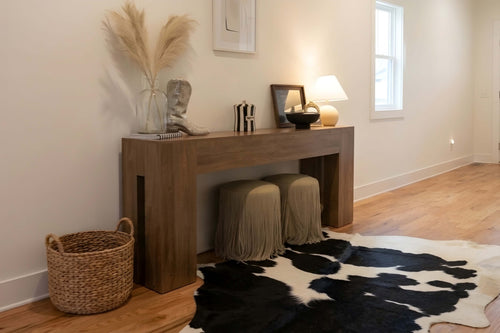
Entryways: The first and hardest zone in any home. Outdoor debris, moisture from shoes, constant foot movement — an entryway rug takes more abuse per square foot than almost anything else in the house. A Cowhide Runner in a darker pattern — Brindle, Brown, or Tricolor — handles entryway conditions best. The tonal complexity disguises light dirt between cleanings, while the non-porous surface means tracked-in moisture sits on top rather than soaking through to the flooring beneath. The 6x2 runner fits apartment and smaller entry foyers cleanly; the 8x2 handles wider entries without looking lost.
Hallways: Long, narrow, and walked through dozens of times a day. The Cowhide Runner format was made for this. Leave 4–6 inches of bare floor on each side to create a visual border — this makes the runner look placed and intentional rather than squeezed. Rotate it 180 degrees every few months so the end nearest the heaviest traffic point doesn't wear unevenly. A Cowhide Floor Mat at the transition point between a hallway and a main room anchors the threshold and protects that high-contact zone specifically.
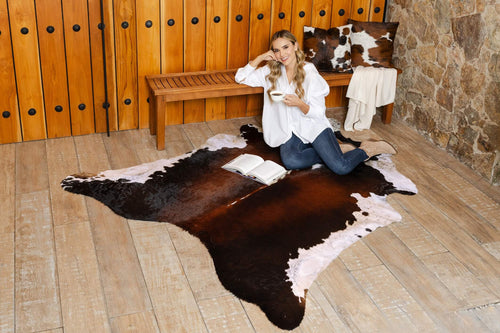
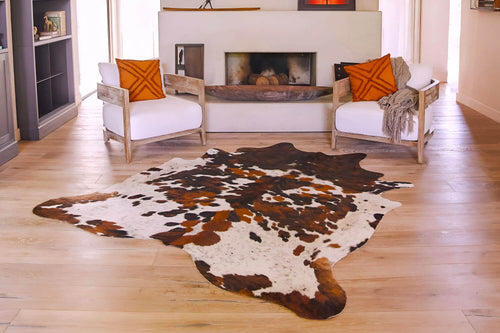
Living Rooms: The social hub — guests, kids, pets, daily movement. A full-sized Cowhide Rug anchoring the seating area handles living room traffic better than any fiber alternative. The standard sizing rule: front legs of all major seating pieces sit on the hide, creating a unified zone. For sizing logic across every room format, Emily Henderson's Rug Size Guide is the reference I trust most. The Cowhide Placement 101 Guide covers the full room-by-room breakdown.
Kitchens: Specifically in front of kitchen islands and galley runs — zones that see constant foot traffic, spills, and dropped food. The non-porous surface of a cowhide handles kitchen conditions better than any fabric runner. A Cowhide Floor Mat in front of a sink or stove is the practical choice for shorter zones. Keep it away from areas of sustained standing water.
"I specify cowhide for entryways and hallways on almost every project now. The performance argument is simply too strong to ignore — non-porous, allergen-resistant, compression-proof. And it ages better than anything else I've put in those spaces." — Sofia Reinholt, Senior Interior Designer, Reinholt Design Group, Dallas TX
Spills, Pets & Kids: How Cowhide Handles Real-Life Messes

Theory is one thing. Here's what actually happens when a cowhide rug meets the things that destroy other rugs.
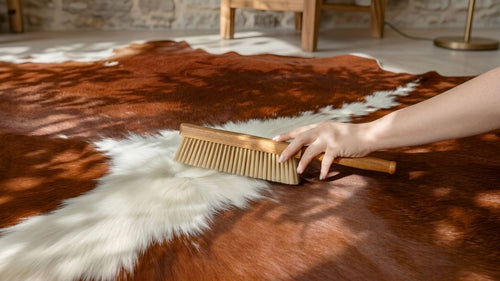
Spills: Because the hair-on-hide surface is non-porous, most liquid spills don't absorb — they bead and sit on the surface. The response window is genuinely forgiving: blot firmly with a clean dry cloth, pressing into the spill and lifting without rubbing. Reposition the cloth, repeat. For anything that leaves a residue, a barely damp cloth with a small amount of pH-neutral dish soap handles it. Work in the direction the hair lays. Let it air dry at room temperature. Done. BHG's Cowhide Cleaning Guide confirms this approach works for everything from wine to coffee to grease.
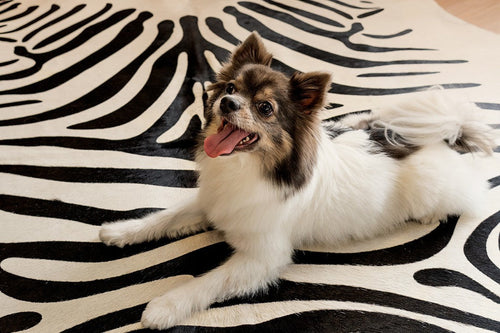
Pet hair: Cowhide is one of the easiest surfaces to remove pet hair from. The smooth hair-on-hide surface doesn't grip pet fur the way looped or cut pile fiber does — most pet hair sits on the surface and brushes off easily. A flat suction vacuum attachment on low power, moving in the direction the hair grows, picks up the rest. No special attachments, no deep cleaning cycles required.
Pet accidents: Act fast. Blot the liquid immediately — press and lift, never rub. For urine specifically, a solution of equal parts water and white vinegar applied on a barely damp cloth neutralizes the odor effectively. Let it air dry completely. The non-porous surface means the liquid hasn't penetrated to the leather backing if you catch it quickly. The Pet-Friendly Homes Guide covers every scenario in detail.
Kids and high-impact messes: Food, crayon, marker, muddy footprints — most of these clean up with the same basic protocol: blot, barely damp cloth with mild soap, air dry. The key with mud is to let it dry fully first, then brush off the dry debris before any damp cleaning. Trying to clean wet mud pushes it further into the hair surface.
The dangers of wet fiber rugs — mold, mildew, structural breakdown — simply don't apply to cowhide the same way. The Dangers of Wet Carpets documentation makes sobering reading for anyone who's ever had a fiber rug in a family room. The full eCowhides care protocol is in the Cleaning and Care Guide.
How to Choose the Right Hide for a High-Traffic Zone
 Not every hide performs equally in every high-traffic context. Pattern, tone, and format all factor into how well a cowhide holds up — both functionally and visually — under heavy use.
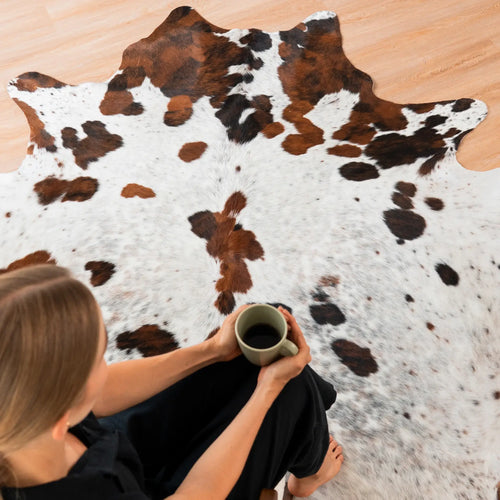
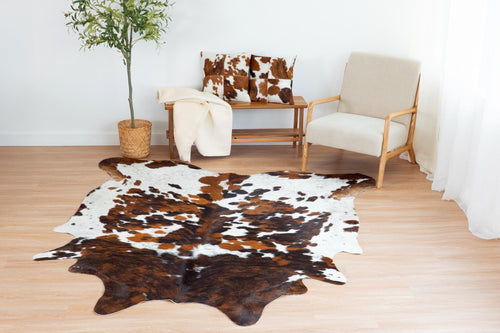
Pattern for high-traffic: Tonal complexity is your friend in busy zones. Brindle Cowhide Rugs, Tricolor Cowhide Rugs, Brown and White Cowhide Rugs, and Chocolate and White Cowhide Rugs all hold up visually in high-traffic areas because minor dust and everyday wear don't read against their complex surfaces. Light and solid hides — White Cowhide Rugs, Champagne Cowhide Rugs — are beautiful but require more attentive maintenance in very busy zones.
Format for each zone:
- Entryways: Cowhide Runner (6x2 or 8x2) or a mid-size natural hide
- Hallways: Cowhide Runner — the 8x2 fits most standard American hallway lengths
- Living rooms: Full-sized natural hide or Patchwork Cowhide Rug anchoring the seating area
- Kitchen zones: Cowhide Floor Mat (3x2) in front of sink, stove, or island
- Transition zones: Small Cowhide Hide as an accent or threshold marker
One more thing: a non-slip pad underneath any cowhide in a high-traffic area is non-negotiable on hardwood or tile. Movement of the hide under foot traffic is both a safety issue and an accelerant of edge wear. The Rug Pad Guide covers everything you need to know about choosing the right pad type for your specific flooring. And before finalizing any purchase, the Good Housekeeping Rug Buying Guide is worth reading for the checklist it provides.
"In my experience, clients who choose cowhide for high-traffic areas stop thinking about their rugs entirely — which is exactly what a floor covering should do. It just works. The ones who chose fiber are calling me every two years about replacement options." — Julian Park, Material Consultant & Leather Specialist, Portland OR
FAQ: High-Traffic Areas Edition

Are Cowhide Rugs Good For High-Traffic Areas?
Yes — they're among the best floor coverings available for high-traffic zones. The non-porous hair-on-hide surface resists spills and staining, the dense hair fibers resist compression under foot traffic, and the natural structure doesn't trap allergens or odors the way fiber rugs do. A quality Cowhide Rug in a busy entryway or hallway will outlast any woven or synthetic alternative by a significant margin.
Which Cowhide Patterns Hold Up Best In Busy Zones?
Tonal and multi-colored patterns hold up visually best in high-traffic areas: Brindle Cowhide Rugs, Tricolor Cowhide Rugs, and Brown and White Cowhide Rugs all disguise minor everyday wear between cleanings. Light or solid hides are structurally just as durable but require more frequent cleaning to look their best in the busiest zones.
Can Cowhide Rugs Handle Pet Hair And Pet Accidents?
Yes — and better than most alternatives. Pet hair sits on the smooth hair-on-hide surface rather than embedding into it, and brushes off easily. For pet accidents, blot immediately and the non-porous surface prevents deep penetration if you act quickly. The Pet-Friendly Homes Guide covers every mess scenario in detail.
What Is The Best Cowhide Format For A Hallway?
A Cowhide Runner — available in 6x2 and 8x2 ft — is the ideal hallway format. The 8x2 fits most standard American hallway widths within the recommended 4–6 inch border rule. Leave bare floor visible on each side for a placed, intentional look. Rotate the runner 180 degrees every few months to distribute wear evenly.
How Do I Clean A Cowhide Rug In A High-Traffic Area?
Shake it out weekly to remove loose debris. Blot spills immediately with a dry cloth — never rub. Spot clean with a mild soap solution on a barely damp cloth, working in the direction of the hair. Let it air dry naturally. For heavy-use zones, a quick shake-out twice a week keeps it looking fresh. The complete protocol is in the eCowhides Cleaning and Care Guide.
Do Cowhide Rugs Trap Allergens?
No — the non-porous hair-on-hide surface doesn't provide the embedded environment that dust mites, pet dander, and pollen need to accumulate. This is one of the core functional advantages of cowhide over fiber rugs in homes with allergy sufferers. The Allergy-Free Cowhide page covers the full picture.
How Long Will A Cowhide Rug Last In A High-Traffic Entryway?
With basic care — weekly shake-outs, prompt blotting of spills, rotation every few months — a quality cowhide in an entryway lasts 20+ years. That's not a projection; it's the documented experience of cowhide owners in high-traffic environments. The Cowhide Durability Guide makes the full longevity case.
Is Cowhide Better Than Synthetic Rugs For High-Traffic Zones?
Significantly. Synthetic rugs — polypropylene, polyester — compress under foot traffic, trap allergens, off-gas VOCs, and typically last up to two years before needing replacement. A Genuine Cowhide Rug does none of those things and lasts three to five times longer. The cost-per-year comparison isn't close.
What Cowhide Rug Is Best For A Family Living Room With Kids And Pets?
A darker-toned, multi-colored hide in a format sized to anchor the full seating area. Brindle Cowhide Rugs, Tricolor Cowhide Rugs, and Brown and White Cowhide Rugs are the most forgiving in family rooms — they handle mess, stay looking good between cleanings, and last long enough to outlive the "kids and pets" phase entirely.
Stop Replacing Rugs. Start Buying the Last One You'll Need.
 The math on high-traffic rugs is simple once you look at it clearly. A fiber rug in an entryway or hallway costs you the purchase price, plus cleaning, plus replacement every few years — and the air quality and allergen problems are a bonus you didn't ask for. A genuine cowhide costs more upfront and nothing after that for the next two decades.
The right hide for your busiest zone is waiting at eCowhides. Cowhide Runners for hallways and entryways. Cowhide Floor Mats for kitchens and compact zones. Full-sized Natural Hide Rugs for living rooms that work as hard as the people in them.
Browse the full collection at eCowhides.com and find the one your floor has been waiting for.