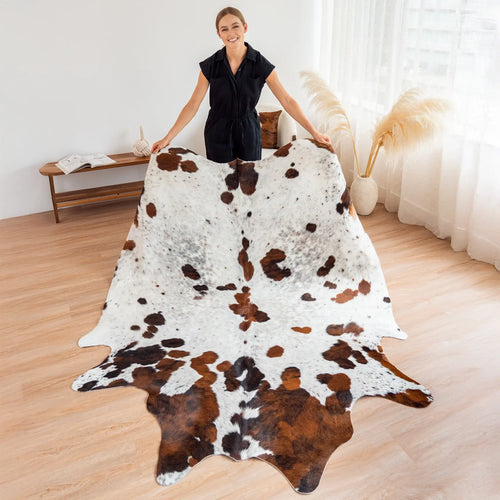
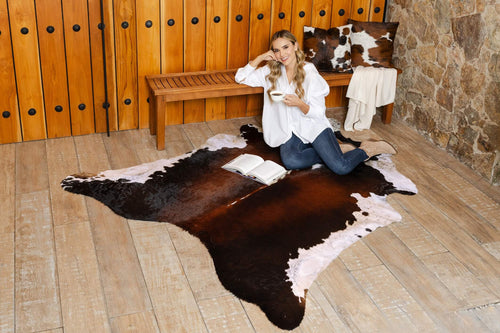
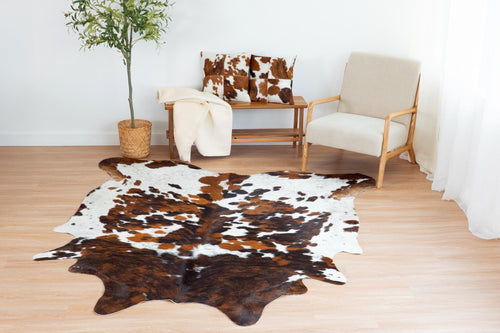
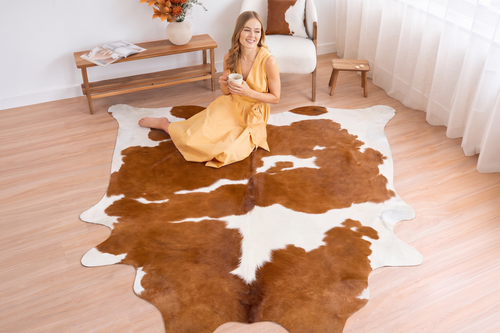
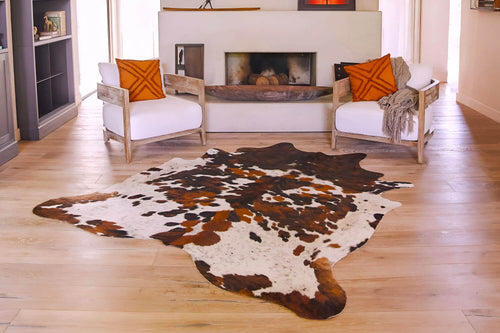
Every year, the same categories get the sustainability spotlight. Bamboo. Recycled glass. Organic cotton. Low-VOC paint. All valid. All worth talking about. But there's a material that almost never makes the list — one that's been used by humans for thousands of years, that biodegrades at the end of its life, that comes as a Byproduct of an industry that already exists — and it's sitting on the floor of some of the most beautiful homes in America right now.
Cowhide Rugs. Genuinely, honestly, worth including in the sustainable home conversation. Not because they're perfect — no material is — but because the full picture is a lot more favorable than most people assume. And when it comes to making conscious choices for your home, the full picture always matters.
Let me walk you through it.
The Byproduct Argument: What It Actually Means That Cowhide Is a Meat Industry Byproduct

This is the foundation of the entire Sustainability case for Eco-Friendly Cowhide Rugs, and it's worth being precise about.
Cowhide used in rugs, Pillows, and home decor is not the reason an animal is raised or harvested. The beef industry exists independently — driven entirely by food production demand. The hide is what remains after that process, and for most of human history, using it was simply common sense. You had the material. You used the material. Nothing was wasted. Eco-Friendly Ranching Practices in countries like Brazil have made this supply chain increasingly transparent and responsibly managed.
The alternative — discarding the hide — is actually the less sustainable choice. A hide that isn't processed into a usable product doesn't disappear. It becomes organic waste that has to be managed, composted, or disposed of. Using it as a Byproduct Leather Rug eliminates that waste stream entirely and creates something with a decade-plus lifespan in the process.
This is what the term "Byproduct" actually means in practice: the animal was not raised for its skin. The skin is a secondary output of an existing industry, and choosing to use it rather than waste it is — by definition — a more circular approach to material consumption.
"Byproduct utilization is one of the oldest principles of sustainable production. When you use every part of something that was already being produced, you're not creating additional demand — you're reducing waste. That's the essence of a circular economy." — Dr. Elena Voss, Sustainable Materials Researcher, University of Colorado
That said — and this is important — not all cowhide is sourced or processed equally. The Sustainability of a Natural Hide Rug depends significantly on where the hide comes from and how it's tanned. More on that in a moment.
Cowhide vs. Synthetic Rugs: Which One Ends Up in a Landfill, and When

Let's have the comparison conversation that the home decor industry tends to avoid.
Most synthetic rugs — polypropylene, nylon, polyester — are made from petroleum derivatives. They're manufactured through energy-intensive processes, they don't biodegrade, and when they wear out (typically in two to four years under regular use), they go to a landfill where they will remain, essentially unchanged, for hundreds of years. That's not an exaggeration — research on the Environmental Impact of Discarded Materials and Recycling confirms that synthetic textiles are among the most persistent waste in modern landfills. It's the material science reality of petroleum-based textiles. And if you've ever wondered whether certain Rug Materials are worth avoiding altogether, synthetic fibers are at the top of most experts' lists.
A Sustainable Cowhide Rug made from genuine hide is a different story at every stage:
Category |
Synthetic Rug |
Genuine Cowhide Rug |
Raw material source |
Petroleum derivatives |
Meat industry Byproduct |
Manufacturing energy |
High — industrial process |
Moderate — tanning and handcraft |
Lifespan under regular use |
2–4 years |
10–15+ years |
Biodegradable at end of life |
No — landfill for centuries |
Yes — natural material |
Recyclable / upcyclable |
Rarely |
Yes — leather can be repurposed |
Chemical inputs |
Synthetic dyes, bonding agents |
Tanning agents (varies by method) |
The lifespan difference alone is significant. A single Natural Hide Rug that lasts fifteen years replaces four or five synthetic rugs that would have otherwise been manufactured, shipped, used briefly, and landfilled. The Cowhide Rug Environmental Impact across that fifteen-year window is meaningfully lower than the cumulative impact of the synthetic alternatives it replaces.
"The durability of natural materials is their most underrated environmental attribute. A product that lasts fifteen years and biodegrades is categorically different from one that lasts three years and sits in a landfill for three centuries. Longevity is Sustainability." — Marcus Webb, Natural Materials and Lifecycle Assessment Consultant, Portland OR
How Patchwork Turns Every Scrap of Hide into Something That Never Goes to Waste

This section is one of my favorites to talk about, because it addresses something most people don't think about until someone points it out.
When a full hide is cut and trimmed for a natural-shaped rug, there are offcuts. Smaller pieces that don't fit the main hide shape. Edge trimmings. Irregular sections from areas of the hide that don't meet quality standards for a full piece. In a less considered production process, those go to waste.
At eCowhides, they don't. Every usable piece of hide finds its way into something — and that's where our range of patchwork products comes in.
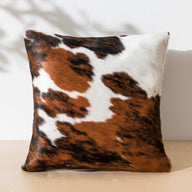
Patchwork Cowhide Rugs take irregular offcuts and piece them together into geometric, varied, and genuinely beautiful floor pieces. But the zero-waste approach doesn't stop there. Those same principles carry through into Patchwork Cowhide Pillows — perfect for adding texture to a sofa without needing a full hide. Into Cowhide Floor Mats that bring the same craftsmanship to smaller, high-traffic spots. Into Cowhide Runners that work beautifully in hallways and entryways where a full rug would be too much. And into Round Cowhide Rugs that use carefully selected sections pieced together into a shape that a single hide could never naturally produce.
This is what Zero-Waste Home Decor Cowhide actually looks like in practice. Not a marketing claim. A production method that uses the full material by design — from the largest floor piece down to the smallest Pillow cover. Every scrap that can become something does.
For the Conscious Consumerism shopper, this range of Patchwork products is about as close to whole-animal utilization as home decor gets. It's the material equivalent of nose-to-tail cooking — and at eCowhides, nothing that can be used is ever left behind.
The Biodegradable Floor: Why Choosing Natural Cowhide Is the Eco-Conscious Move Nobody Talks About

End-of-life is the Sustainability conversation that almost nobody has when buying a rug. We think about how it looks, how it feels, how long it lasts — but almost never about what happens to it when it's done.
A Genuine Biodegradable Rug made from natural cowhide returns to the earth. According to Biodegradable Leather and Tanning Process Research, a natural and unprocessed hide will break down through biological processes over time — it doesn't persist in a landfill, it doesn't leach synthetic compounds into soil or groundwater. It decomposes — slowly by organic standards, but completely in ways that petroleum-based materials never will.
This is also where Non-Toxic Cowhide Rug Tanning choices matter. Vegetable-tanned hides — processed using plant-based tannins — are the most biodegradable option and the most aligned with a truly eco-conscious purchase. Chrome-tanned hides, which represent the majority of the market, are more complicated at end-of-life due to the chromium compounds involved in the tanning process. They're not inherently dangerous in use, but they do affect the biodegradability equation.
For the most Sustainable choice, look for sellers who are transparent about their tanning process and sourcing origins.
"The tanning method is the single most important variable in the environmental story of a leather product. A vegetable-tanned hide is a fundamentally different material — at production and at end of life — than a chrome-tanned one. Consumers deserve to know which they're buying." — Isabelle Fontaine, Leather Sustainability Advocate and Material Consultant, New York NY
What to Ask Your Cowhide Seller About Sourcing Before You Call It a Sustainable Purchase

Here's the honest part of this conversation — the part that actually requires something from you as a buyer.
Calling a Cowhide Rug sustainable because it's a Byproduct is the starting point, not the finish line. The full Sustainability picture depends on specifics that vary by seller, by source country, and by production method. These are the questions worth asking before you buy:
- Where do your hides come from? Traceable sourcing from regulated beef industries — like Brazil's, which operates under established environmental and labor standards — is meaningfully different from hides sourced from unregulated markets.
- What tanning method is used? Vegetable tanning is the most eco-aligned choice. If chrome tanning is used, ask whether the facility operates under environmental compliance standards.
- Are there any certifications? Look for Leather Working Group (LWG) certification or similar industry standards that verify environmental management practices in tanning facilities.
- How is waste managed during production? Sellers who offer Patchwork rugs are already demonstrating a commitment to whole-hide utilization. That's a meaningful signal.
- What's your return and end-of-life policy? A seller who thinks beyond the sale — offering guidance on care, lifespan, and responsible disposal — is one who's actually thought about the full picture.
At eCowhides, all hides are sourced from trusted Brazilian suppliers with traceable, responsible origins. The collection includes both Natural-Shaped Hides and Patchwork options specifically designed to maximize whole-hide utilization. It's Ethical Sourcing of Cowhide Rugs built into the sourcing model — not bolted on as a marketing afterthought.
FAQ: Sustainable Home Edition

Are Cowhide Rugs Considered Sustainable or Eco-Friendly?
Sustainable Cowhide Rugs make a legitimate eco-friendly case when sourced responsibly. As a Byproduct of the meat industry, genuine cowhide utilizes a material that already exists rather than generating new demand. Combined with a lifespan of ten to fifteen years and natural biodegradability, a quality Cowhide Rug compares favorably to most synthetic alternatives on every environmental metric that matters.
Are Cowhide Rugs a Byproduct of the Meat Industry or Do Animals Die Specifically for Them?
Cowhide Rugs are a Byproduct. The animal is not raised or harvested for its skin — the hide is a secondary output of beef production. Using it in home decor eliminates waste from an industry that already exists, rather than creating additional environmental demand. This is the core of the Byproduct Leather Rug Sustainability argument.
How Do Cowhide Rugs Compare to Synthetic Rugs in Terms of Environmental Impact?
The Cowhide vs Synthetic Rugs Environmental Comparison favors cowhide on almost every measure over a ten-plus year window. Synthetic rugs are petroleum-derived, non-biodegradable, and short-lived. A Genuine Cowhide Rug lasts three to five times longer, comes from a natural source, and biodegrades at end of life — dramatically reducing the cumulative environmental footprint versus repeated synthetic replacements.
Are Cowhide Rugs Biodegradable at the End of Their Life Cycle?
Yes — natural cowhide is a Biodegradable Rug material that will break down through biological processes at end of life. Vegetable-tanned hides are the most fully biodegradable option. Chrome-tanned hides biodegrade more slowly due to the tanning compounds involved. Either way, a Natural Hide will decompose — unlike synthetic rugs, which persist in landfills indefinitely.
What Chemicals Are Used in the Tanning Process of Cowhide Rugs and Are They Harmful?
The two main tanning methods are vegetable tanning, which uses plant-based tannins and is the most natural option, and chrome tanning, which uses chromium salts and is the most common commercial method. Chrome tanning is considered safe for use in finished products but does carry end-of-life considerations. Non-Toxic Cowhide Rug Tanning options exist — ask your seller specifically about their process.
How Long Do Cowhide Rugs Last Compared to Other Types of Rugs?
A well-maintained Genuine Cowhide Rug lasts ten to fifteen years or more — significantly longer than synthetic rugs (two to four years) and competitive with high-quality wool or Persian rugs. Long-Lasting Natural Rugs for Sustainable Homes is not just a marketing phrase when it comes to cowhide — the longevity is real and well-documented.
Can Cowhide Rugs Be Recycled or Upcycled When They Wear Out?
Yes. Leather and cowhide can be upcycled into smaller home decor pieces, repurposed as upholstery material, or composted in appropriate facilities. The Cowhide Rugs Circular Economy Home Design concept is real — a Genuine Hide that ends its life as a rug can continue as something else, which is more than can be said for most synthetic floor coverings.
Are There Certifications or Standards That Make a Cowhide Rug More Sustainable?
Look for hides from tanneries certified by the Leather Working Group (LWG), which audits environmental management practices in leather production. Traceability to a specific country of origin and transparency about the tanning process are also meaningful signals. Ethical Eco-Friendly Cowhide Rugs come from sellers willing to answer sourcing questions directly.
How Do I Care for a Cowhide Rug to Extend Its Lifespan and Reduce Waste?
Shake it regularly, blot spills immediately, spot clean with a mild soap and damp cloth, and keep it away from prolonged moisture and direct sunlight. Rotating the Cowhide Rug every few months distributes wear evenly and extends the lifespan significantly. The longer your rug lasts, the smaller its environmental footprint per year of use.
What Should I Look for When Buying a Cowhide Rug with Sustainability in Mind?
Prioritize traceable sourcing, transparency about tanning methods, and sellers who offer Patchwork options (a clear signal of whole-hide utilization). Ask about the country of origin, whether the tannery operates under environmental compliance standards, and how the seller handles end-of-life guidance. Cowhide Rugs and Conscious Consumerism starts with asking the right questions before you buy.
The Most Honest Sustainable Floor You Can Put in Your Home

Here's where I land on all of this: cowhide isn't a perfect material. No material is. But when you look at the full lifecycle — Byproduct sourcing, longevity, biodegradability, Zero-Waste Patchwork production, and the absence of petroleum in every fiber — it makes a genuinely strong case for inclusion in any honest sustainable home conversation.
The synthetic rug sitting on most American floors right now was made from oil, will last a few years, and will then spend centuries in a landfill. A Natural Hide Rug from a responsible source does none of those things. That's not a small distinction.
At eCowhides, every hide is sourced from traceable Brazilian suppliers, and the full collection — from Natural-Shaped Hides to Zero-Waste Patchwork Designs in tricolor and brindle — reflects a commitment to using the whole animal, honoring the material, and building something that lasts.