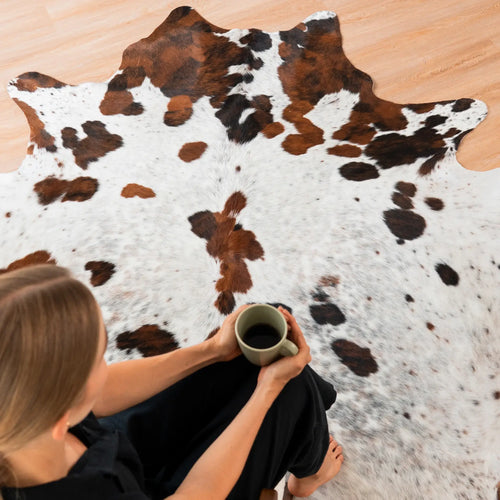
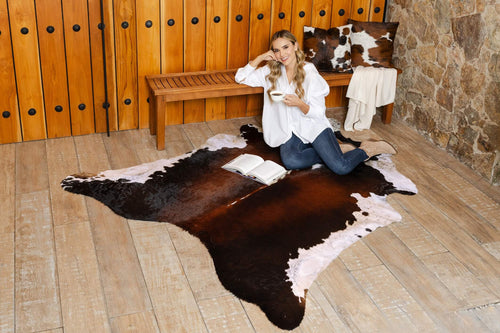
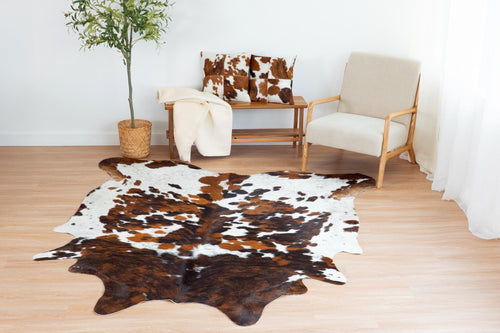
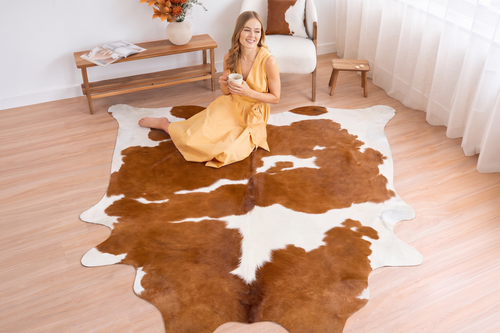
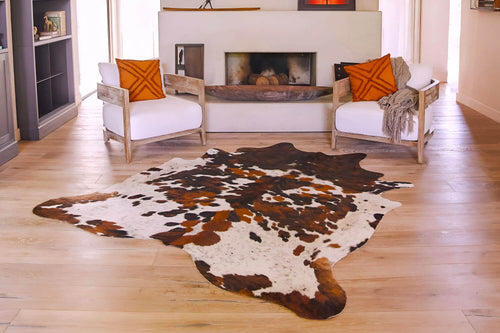
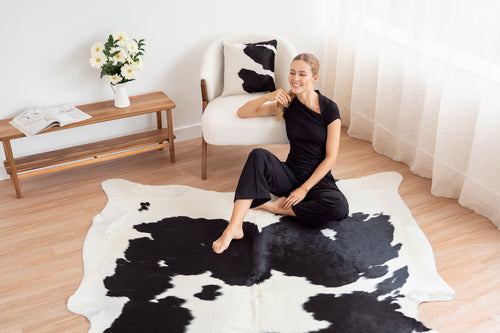
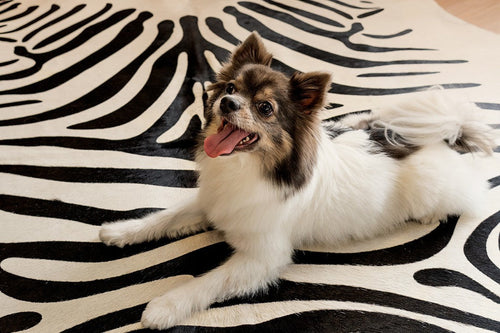
Picture this: you walk into a friend's living room and immediately feel drawn to a stunning rug beneath their coffee table. The natural patterns catch your eye, the texture looks incredibly rich, and something about it just feels... different. More authentic. More story-filled than anything you'd find at a big box store.
What you're probably admiring is an Artisan Cowhide Rug – a perfect example of Slow Craft at its finest. But what exactly makes these rugs so special? And why should you care about the difference between Handcrafted Cowhide and mass-produced alternatives?
I've spent years in this industry, and let me tell you, the difference is night and day. When you understand what goes into creating a truly artisan piece, you'll never look at home decor the same way again. Today, we're diving deep into the world of Cowhide Rug Craftsmanship – from the careful selection of Ethically Sourced Cowhide to the final brushstroke that makes each piece unique.
How Handcrafted Cowhide Rugs Are Made: A Guide to Artisanal Quality

Creating an Authentic Cowhide Rug isn't something you can rush. It's an art form that requires patience, skill, and an eye for quality that can't be replicated by machines. The Handmade Cowhide Rug process begins long before any cutting or shaping takes place.
First, the artisan carefully selects each hide. This isn't about grabbing whatever's available – it's about understanding how different hides will behave, what their natural strengths are, and how they'll age over time. Think of it like a chef selecting the perfect cut of meat. The quality of your final product depends entirely on what you start with.
The Hand-Tanned Leather process is where things get really interesting. Traditional tanning methods can take weeks, even months. Why so long? Because rushing this process creates weak, brittle leather that won't last. Quality Cowhide Rug Production requires:
- Careful hide preparation – removing any imperfections while preserving natural character
- Multiple tanning stages – each designed to enhance durability and softness
- Natural drying periods – allowing the hide to cure properly
- Hand finishing – ensuring every inch meets artisan standards
What fascinates me most is watching skilled tanners work. They can tell just by touch whether a hide is ready for the next stage. It's intuitive knowledge that comes from years of experience – something no machine can replicate.
The actual crafting process is equally meticulous. Each rug is cut by hand, with artisans paying careful attention to the natural grain and pattern of the hide. They're not just making a rug; they're creating a piece of functional art that will become part of someone's home story.
The Journey of a Cowhide: From Sustainable Source to Your Home

Here's something most people don't realize: the best Artisan Made Rugs start with Responsibly Sourced Hides that come from cattle raised for food production. This means we're utilizing what would otherwise be waste – turning it into something beautiful and functional. It's sustainability at its finest.
Ethically Sourced Cowhide comes from farms that prioritize animal welfare and environmental responsibility. These aren't factory farms, but operations where cattle live natural lives on open pastures. The difference shows in the quality of the hide – animals that live stress-free lives produce stronger, more beautiful leather.
The journey from farm to your living room involves several key players:
|
Stage |
Who's Involved |
Time Required |
Quality Impact |
|
Selection |
Inspector |
1-2 days |
Critical – sets foundation |
|
Initial processing |
Tannery preparation team |
3-5 days |
High – removes impurities |
|
Tanning |
Master tanner |
4-8 weeks |
Highest – determines quality and durability |
|
Crafting |
Artisan rugmaker |
2-3 days |
Critical – final quality check |
|
Finishing |
Quality control |
1 day |
High – ensures standards met |
What I love about this process is the human connection at every step. Your rug isn't just a product – it's the result of multiple craftspeople taking pride in their work. Each person in the chain understands they're creating something meant to last generations, not just a few years.
Why "Slow Craft" is the Secret to a Timeless Cowhide Rug

The term "Slow Craft" might sound trendy, but it represents something much deeper – a return to making things the right way, not the fast way. In our world of instant everything, slow fashion home decor stands as a quiet rebellion against disposability.
Think about it: when was the last time you bought something expecting it to last your entire lifetime? Most furniture today is designed to look good for a few years, then break down just in time for you to buy its replacement. Slow Craft Rugs flip this script entirely.
The time investment in creating these rugs isn't arbitrary – it's necessary. The art of Cowhide Tanning requires specific chemical reactions that simply cannot be rushed. Try to speed up the process, and you get leather that:
- Cracks easily under stress
- Fades rapidly when exposed to sunlight
- Develops unpleasant odors over time
- Loses its natural oils and becomes brittle
Heirloom quality rugs are built to improve with age, not deteriorate. The natural oils in properly tanned Cowhide actually help protect the rug over time, developing a rich patina that mass-produced alternatives can never achieve.
I often tell customers that buying an Artisan Cowhide Rug is like planting a tree. You're not just decorating your space today – you're investing in something that will become more beautiful and meaningful over decades.
Authentic vs. Mass-Produced: How to Spot a Truly Handcrafted Cowhide

Walking into a furniture store, how can you tell the difference between Authentic Cowhide and machine-made imposters? I've developed what I call the "authenticity checklist" – five tell-tale signs that separate the real deal from mass production.
The Touch Test: Run your hands across the surface. Authentic Cowhide feels supple yet substantial. It should have natural variations in thickness and texture. Mass-produced alternatives often feel uniformly thin or artificially stiff.
Pattern Recognition: Natural Cowhides never have perfectly symmetrical patterns. Look for:
- Irregular markings that tell the animal's story
- Varying color density throughout the hide
- Natural scars or brands that add character
- Unique grain patterns that are impossible to replicate
Edge Examination: Handcrafted leather goods have hand-finished edges that may show slight irregularities – and that's a good thing! Machine-cut edges are perfectly uniform but lack the subtle character that comes from human craftsmanship.
The Smell Factor: This might sound odd, but Authentic Cowhide has a distinctive, pleasant leather aroma that develops during the tanning process. Chemical-treated mass productions often smell artificial or have no scent at all.
Weight and Substance: Quality benefits of handmade leather include superior thickness and weight distribution. Pick up the rug – it should feel substantial but not unwieldy.
Here's an insider tip: don't be afraid of imperfections. In mass production, every flaw is seen as a defect. In artisan work, natural variations are celebrated as proof of authenticity. That small scar? That slight color variation? Those are signatures of the real thing.
Caring for Your Slow Craft Cowhide: Tips for Longevity and Beauty

Owning a Cowhide Rug for eco-friendly home decoration comes with responsibility. These aren't pieces you can treat carelessly and expect them to maintain their beauty. But don't worry – proper care isn't complicated, just intentional.
Daily Maintenance:
- Check for any developing issues before they become problems
- Address spills immediately with a clean, dry cloth
- Keep the rug away from direct heat sources and intense sunlight
Weekly Care:
- Brush gently with a soft-bristled brush to maintain the natural nap
- Shake out dust and debris regularly (take it outside if possible)
- Vacuum using the brush attachment, always going with the grain
Monthly Deep Care:
- Use specialized leather cleaners designed for natural hides
- Inspect edges and backing for any signs of wear
- Rotate the rug occasionally to ensure even wear patterns
Seasonal Maintenance:
- Storage in climate-controlled environment if rotating rugs
- Reapplication of protective treatments as needed
The beauty of Unique Cowhide Rugs is that they actually get better with proper care. Unlike synthetic alternatives that show their age through wear, Natural Cowhide develops character.
FAQ: Slow Craft Edition

Why Is A Cowhide Rug Considered A "Slow Craft" Product?
Slow Craft refers to the time-intensive, traditional methods used in creating these rugs. Unlike mass production that prioritizes speed, Artisan Cowhide Rugs require weeks or months of careful tanning, curing, and handcrafting. This patient approach ensures superior quality and longevity that simply cannot be achieved through rushed manufacturing processes.
How Are Cowhide Rugs Handcrafted To Ensure Quality?
Handcrafted Cowhide Rugs involve multiple quality checkpoints throughout production. Artisans hand-select each hide, personally oversee the tanning process, and individually cut and finish every piece. This human oversight ensures consistent quality standards and allows for immediate corrections if any issues arise during production.
What Is The Step-By-Step Process For Making A Cowhide Rug?
The process begins with Ethically Sourced Cowhide selection, followed by initial cleaning and preparation. The hide then undergoes traditional tanning (4-8 weeks), natural drying, careful cutting to preserve natural patterns, edge finishing, and final quality inspection. Each stage requires specific expertise and cannot be rushed without compromising the final product.
Are The Materials For Cowhide Rugs Ethically Sourced And Processed?
Ethical Cowhide sourcing means utilizing hides from cattle raised primarily for food production, ensuring no waste. Responsible producers work with farms that maintain high animal welfare standards and environmentally conscious practices. This approach supports sustainable agriculture while creating beautiful home décor pieces.
What Makes A Handcrafted Cowhide Rug Different From A Mass-Produced One?
Artisan vs machine-made rugs differ dramatically in construction quality, durability, and character. Handcrafted pieces feature natural variations, superior thickness, hand-finished edges, and proper tanning that ensures longevity. Mass-produced alternatives often use chemical shortcuts that result in weaker, less durable products with artificial uniformity.
How Can I Identify A High-Quality, Artisan-Made Cowhide Rug?
Look for natural pattern variations, substantial weight, supple yet firm texture, and pleasant leather aroma. Quality Cowhide Rug production creates pieces with slightly irregular edges (hand-finished), natural markings that tell the hide's story, and consistent thickness throughout. Avoid rugs with perfectly uniform patterns or chemical odors.
Why Do Handmade Cowhide Rugs Cost More?
Artisan Made Rugs require significantly more time, skill, and quality materials than mass production. The Handmade Cowhide Rug process involves weeks of careful tanning, individual attention from skilled craftspeople, and premium hide selection. This investment in time and expertise results in heirloom quality rugs that last decades rather than years.
Do The Natural Patterns And Marks On A Cowhide Add To Its Artisan Value?
Absolutely! Natural markings, scars, and color variations are signatures of authenticity in Unique Cowhide Rugs. These characteristics prove the rug comes from a real animal hide rather than synthetic materials. Artisans celebrate these natural features as they make each piece truly one-of-a-kind.
What Role Does The Tanner Play In The Craftsmanship Of A Cowhide Rug?
The master tanner is crucial to Cowhide Rug Craftsmanship. They determine proper tanning duration, monitor chemical balance, and ensure optimal hide preparation. Hand-Tanned Leather requires intuitive knowledge that comes from years of experience – understanding exactly when each hide is ready for the next stage of processing.
How Long Does The Artisan Process Take From Raw Hide To Finished Rug?
Complete Cowhide Rug production typically requires 6-10 weeks from start to finish. This includes initial preparation (3-5 days), traditional tanning (4-8 weeks), drying and curing (1-2 weeks), and final crafting and finishing (2-3 days). This timeline cannot be shortened without compromising quality and durability.
Embrace The Artisan Legacy: Your Home Deserves Authentic Beauty

As I wrap up our journey through the world of Slow Craft Cowhide Rugs, I hope you now understand why these pieces represent so much more than floor covering. They're tangible connections to traditional craftsmanship, sustainable practices, and the belief that some things are worth doing right, regardless of how long it takes.
In a world increasingly dominated by disposable décor and fast furniture, choosing an Artisan Cowhide Rug is a statement. You're saying you value quality over quantity, authenticity over imitation, and sustainability over convenience. You're investing in a piece that will tell your family's story for generations.
The next time you're considering new décor for your home, ask yourself: do I want something that will need replacing in a few years, or something that will grow more beautiful with age? Do I want to support mass production, or do I want to invest in the preservation of traditional crafts?
The choice, as they say, is in your hands. And trust me, when you feel the supple texture of authentic, Hand-Tanned Leather beneath your feet, when you see how natural light plays across those unique patterns, when friends ask about "that gorgeous rug" – you'll know you made the right decision.
Ready to bring the Artisan's Difference into your home? Explore our collection of Authentic Cowhide Rugs, each one crafted with the patience, skill, and attention to detail that only true Slow Craft can deliver. Your home – and your conscience – will thank you.